Escape from a Deadly Shore
by Nick Brazil
The Skeleton Coast is one of the wildest and most inhospitable places on earth.
Stretching for nearly 500 miles down the South Atlantic Coast of what is now known as Namibia, The Skeleton Coast is one of the wildest and most inhospitable places on earth. Here the high dunes of The Namib Desert meet the ocean breakers bursting onto narrow beaches from the pitiless Atlantic. This is a wild and deserted land inhabited mainly by wildlife from snakes to zebra and Cape fur seals. Very few humans are seen here.
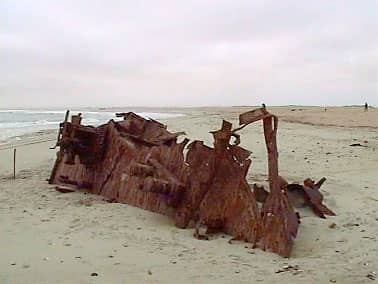
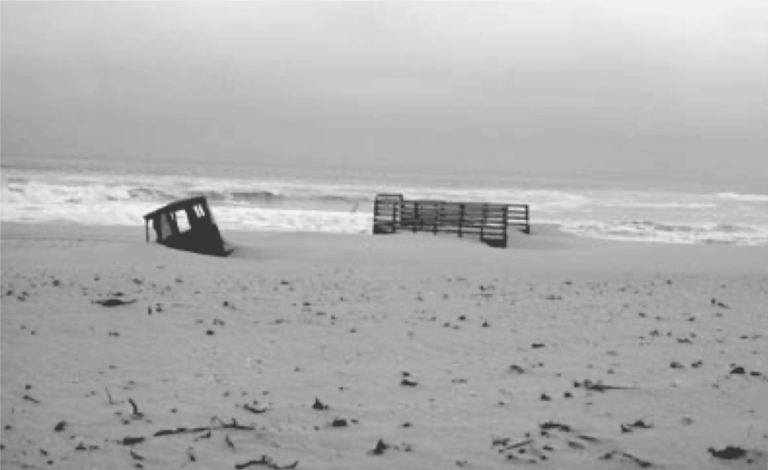
Over the ages, countless storms have swept over this landscape claiming thousands of ships. This has given it the unenviable reputation of being the largest maritime graveyard in the world. Remnants of many of these wrecked ships can still be seen lining the salt road that runs along its coastline.
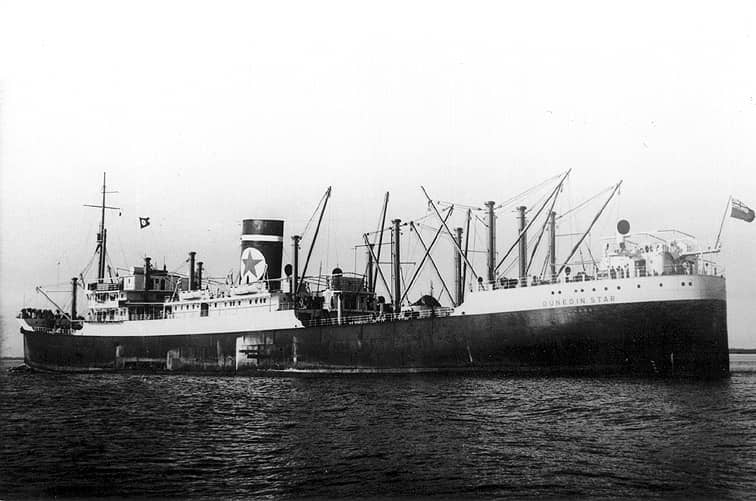
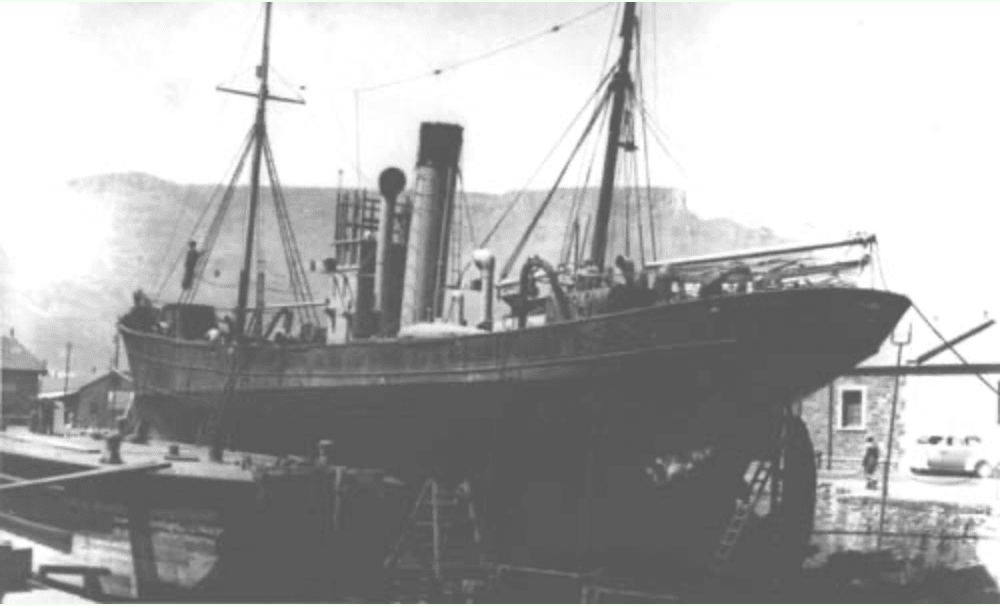
M. V. Dunedin Star becomes the latest victim of this treacherous coast.
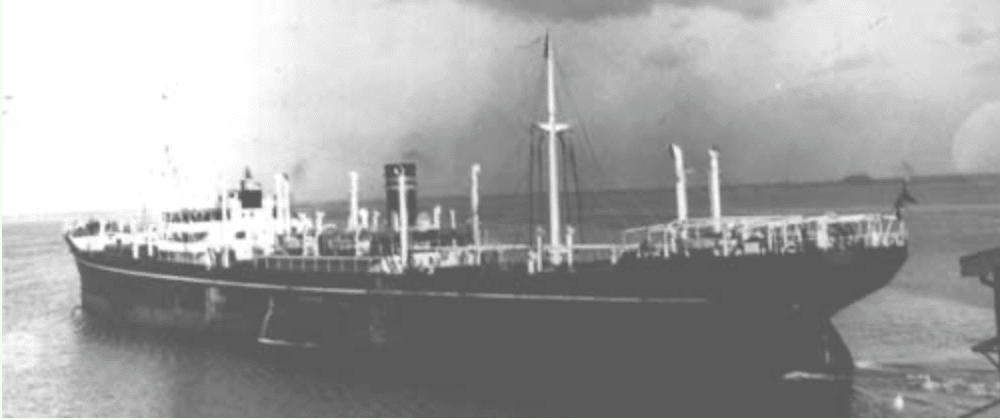
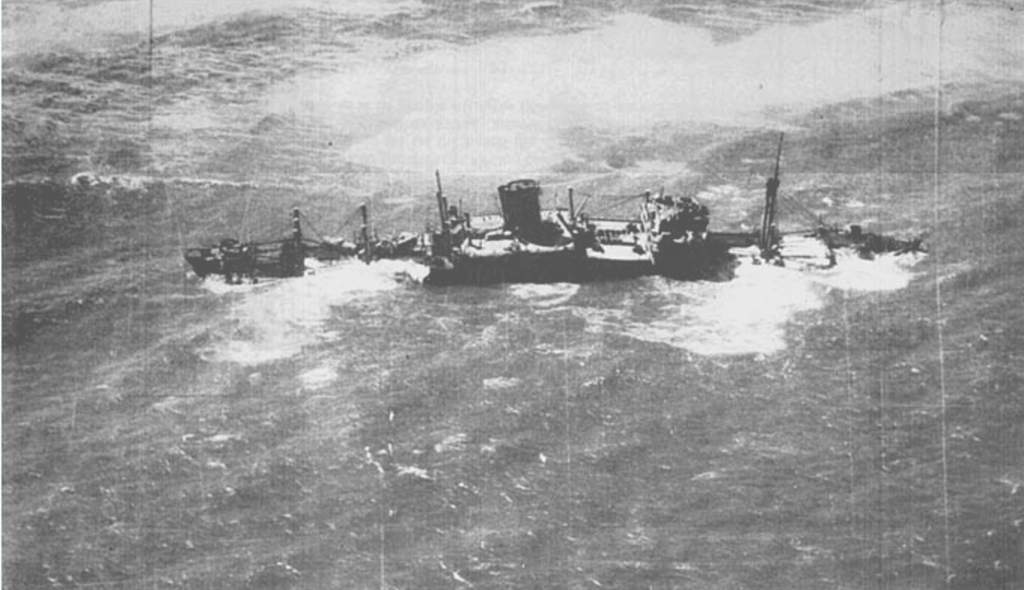
Just before midnight on 9th November 1942, M. V. Dunedin Star became the latest victim of this treacherous coast. The refrigerated ship was travelling from Liverpool to Egypt via Saldanha Bay in South Africa. On board were a crew of 85 and 21 passengers. Most of the latter were women and elderly men escaping the bombing in Britain. Instead of her usual cargo of frozen meat from the Antipodes, Dunedin’s cargo was munitions for The Allied Forces in The Middle East.
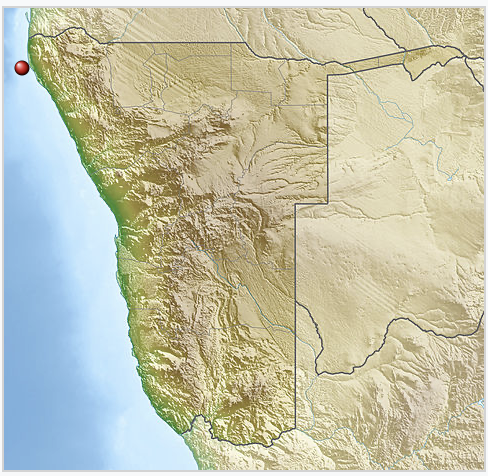
Approximately 5 miles to the south of The Kunene River which marked the border between South West Africa and Portuguese Angola, she hit what was believed to be a submerged reef known as the Clan Alpine Shoal. Although her hull was badly holed, Captain R B Lee, the ship’s Master decided to continue to travel south towards Cape Town. Fortunately, the wireless operator had already sent out a distress message that had been picked up at the nearest port of Walvis Bay. However, after a two hundred miles, the heavy seas proved too much for the damaged ship. Her pumps had also given out at this stage. In order to save the passengers and crew, Captain Lee then grounded the Dunedin Star 550 yards offshore at an isolated outcrop called Rocky Point.
A remarkable rescue operation start to take shape
The ship’s boat managed to land 68 passengers and crew before being disabled by the breakers. 42 crew including Captain Lee remained on the stricken ship. With eight women, three with babies and a number of old men, the survivors on shore were in an extremely vulnerable situation. With no shelter and only the boat’s rations for sustenance, the chances of anyone surviving must have seemed very low at that point. However, a remarkable operation to rescue them was already taking shape.
Rescue ships appear
For good measure, a convoy of South African Defence Force trucks commanded by Captain J W B Smith of the South West Africa Police set out overland from Windhoek to rescue the ship’s survivors on the shore. The journey, covering hundreds of miles of desert with only a few rutted tracks would be a mammoth task for those vehicles none of which had four wheel drive.
The appearance of the rescue ships on the first two days of December must have seemed like a miracle to those survivors of The Dunedin Star. Nerine launched two of her supply laden dinghies towards the shore only for its crew to see them snatched away by the merciless Atlantic breakers. Temeraire’s motor boat picked up ten crew members from the Dunedin. Shipping water and a faulty engine should have defeated this rescue were it not for the boat’s eleven Norwegian crew, After rowing for over an hour, these tough Norsemen delivered the ten men to the Manchester Division. Too exhausted to continue, the motor boat crew were taken back on board Temeraire. Arriving the followind day, Sir Charles Elliot rescued the remaining 38 crew including Captain Lee in her two motor boats.
The SAAF Lockheed Ventura gets stuck in the sand
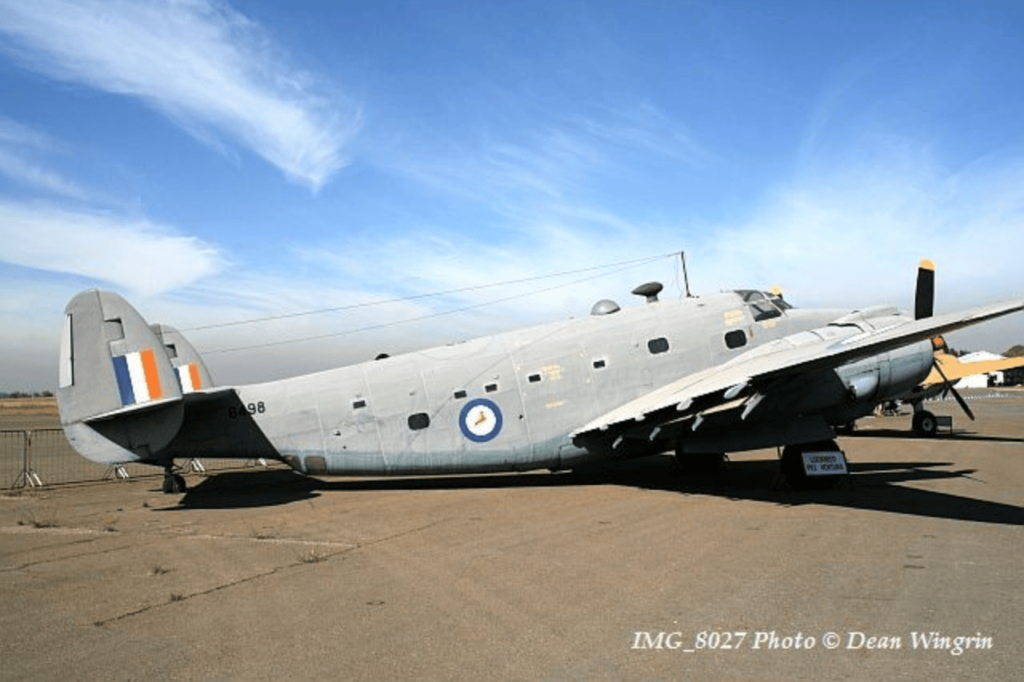
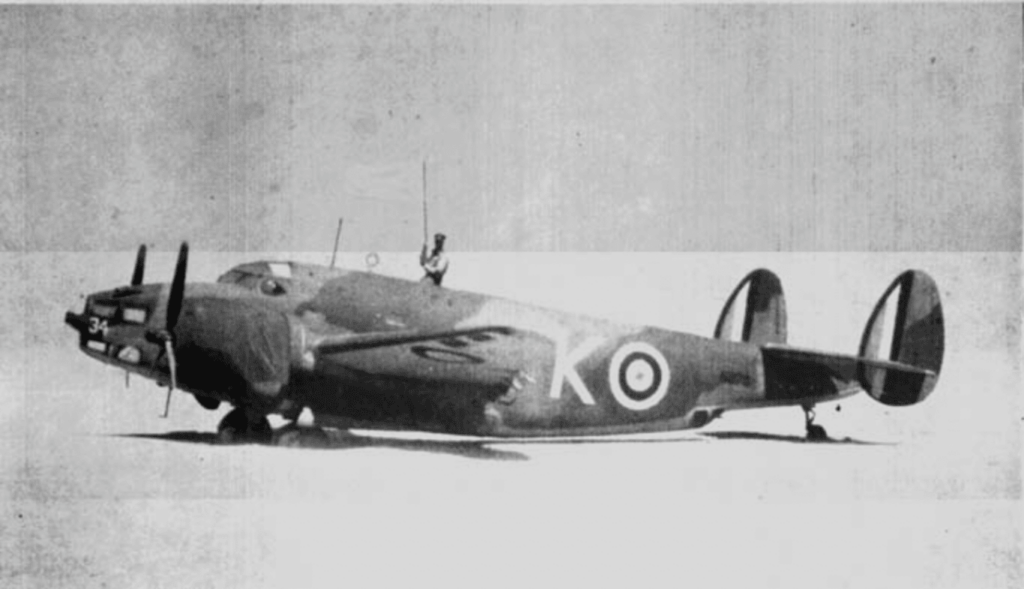
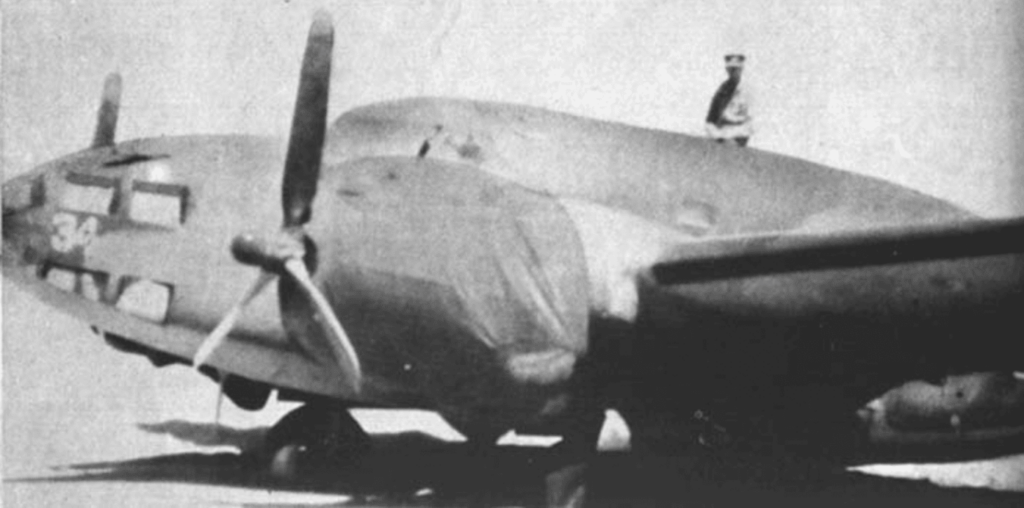
Flying out of Walvis Bay, an SAAF Lockheed Ventura piloted by Captain Immins Naude, passed over the wreck site in the late afternoon dropping supplies. Sadly, most were destroyed on hitting the ground. Naude decided to land and take off some of the survivors on the beach the following morning. Picking a long flat expanse of sand, he put his aircraft down. But this temporary landing strip was deceptive. It was in fact a salt pan covering shifting sand. When he and his passengers prepared to take off the next day, Naude discovered the plane had broken through the salt crust and sunk into the sand damaging its undercarriage.
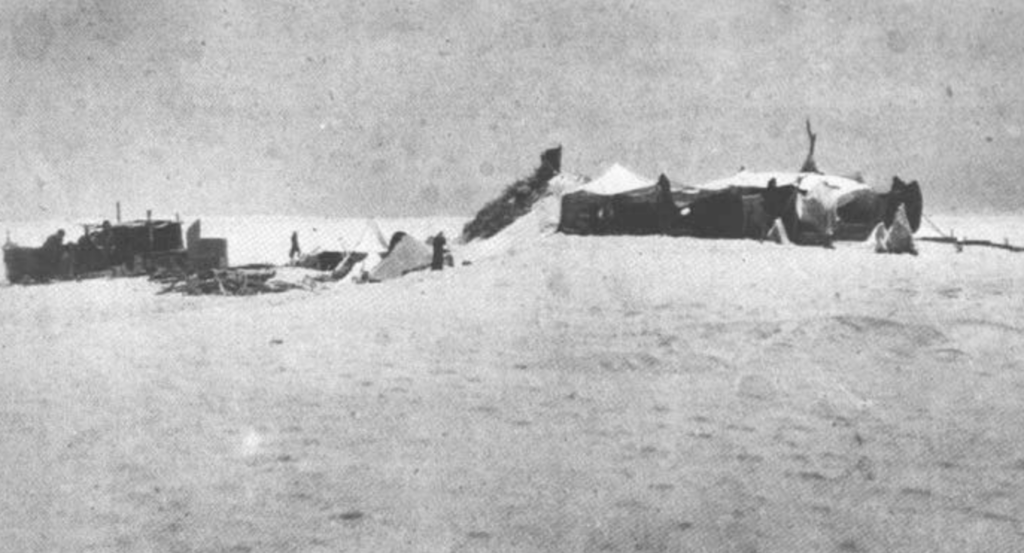
Meanwhile, three other SAAF Venturas flew a relay of missions from Walvis Bay dropping supplies on the beach. Fortunately, these survived their hard landings. They also dropped supplies to Captain Smith’s truck convoy making its tortuous way to the wreck site. It eventually arrived at the site on 8th December and would return to Windhoek with a number of the survivors and Captain Naude on 23rd December 1942. Apparently, they received a heroes welcome from the local populace. One of the other Venturas actually made a successful landing on a more secure temporary air strip and rescued some of the survivors.
In the meantime, HMSAS Nerine had returned from picking up more supplies at Walvis Bay. Over the next two days, her lifeboat crew rescued a total of 22 survivors including two women and two babies. This nearly did not happen when the boat’s rocket fired lifeline failed to land ashore. Thanks to the bravery of Denis Scully, Nerine’s radio operator, this rescue was saved. Risking the dangerous seas, he swam ashore with another line tied around his body.
The overland convoys
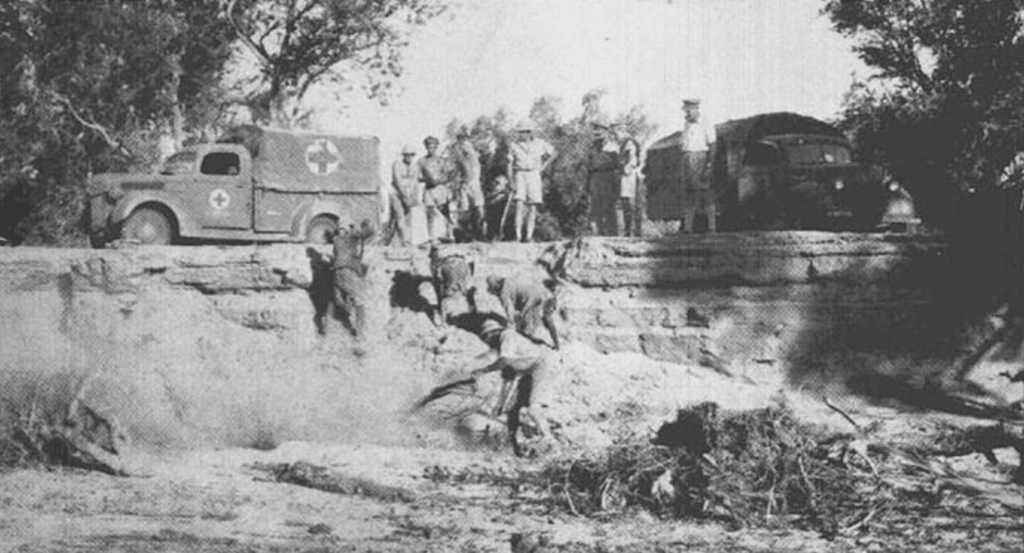
Captain Naude made a return to Rocky Point in a second overland convoy. Once there he and the other rescuers dug out and repaired the stranded Ventura. He flew the aircraft out but it crash landed in the surf with engine trouble after forty minutes. Mercifully, Naude and his two crew managed to swim to safety.
Lasting two months from the end of November 1942 to 1st February 1943, this remarkable joint rescue saved all 106 occupants of the Dunedin Star. However, with the loss of two seamen, an ocean going tug and a Ventura aircraft, the cost was high.
At the subsequent Court of Enquiry, Captain Lee was found responsible for the loss of Dunedin Star. He was sacked by its owners, The Blue Star Line but given a second chance when made the master of another ship involved in the D-Day landings. However, that was his last commission after which he retired and emigrated to India. He died shortly afterwards.
With hindsight, his sacking seems rather harsh considering the fact that the Clan Alpine Shoal was poorly marked on the official charts. In 1890 the reef claimed its first ship, SS Clan Alpine after which it was named.
33 years later and another rescue operation
Thirty three years later, the Skeleton Coast saw another remarkable rescue operation. In 1975 shortly after the Portuguese left Angola for good, the country exploded into Civil War. This caused Angolans and Portuguese who lived close to the South West African border to flee across The Kunene River to safety. A mixed convoy of nearly 70 cars, four wheel drives and trucks were ferried across the river using a variety of precarious homemade pontoons.
The search for orphaned children
He took off again and alerted Ernst Karlowa, the Conservation Officer for the Skeleton Coast at Mowe Bay. Before long, a rescue convoy headed by Karlowa and Colonel Koos Myburgh of the South West African Police set out for the refugee encampment on the banks of The Kunene River with water and supplies. This rescue mission was supplemented by a larger group of militart vehicles and aircraft that arrived at Rocky Point. These included tank transporters, helicopters and nursing staff.
In the meantime, Karlowa was instructed to leave the refugees to Myburgh and the SWAP and travel down the coast searching for the boatload of orphaned children. Sadly, this proved to be a fruitless task. They were never found.
© Nick Brazil 2024
About The Author
Click to see full BMMHS event listing pages.
Contact us at [email protected]
Copyright © 2024 bmmhs.org – All Rights Reserved