Losing the Rock - Hitler’s Plan to Capture Gibraltar
by Nick Brazil
Gibraltar a missed opportunity?
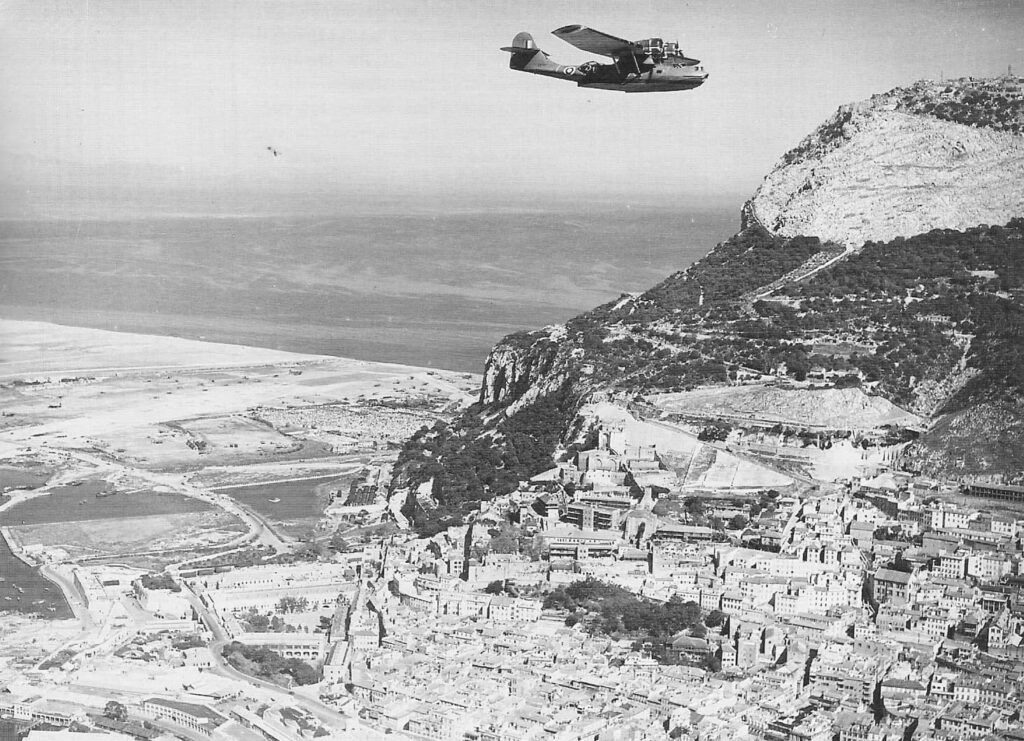
In the Winter of 1940 when The Second World War was less than a year old, Adolf Hitler missed out on an opportunity that possibly cost him an early victory. Known as Operation Felix, it was a daring plan for the German military to take Britain’s Mediterranean stronghold of Gibraltar. Seizing that fortress, would provide a springboard for the Axis forces to invade and capture North Africa. This action, had it succeeded, would have cut Britain off from its Empire and colonies East of Suez.
At the time, France had just fallen and Hitler was toying with the idea of invading Britain. However, Goering, Guderian and other influential generals felt that seizing Gibraltar was a more feasible proposition.
Plan Felix
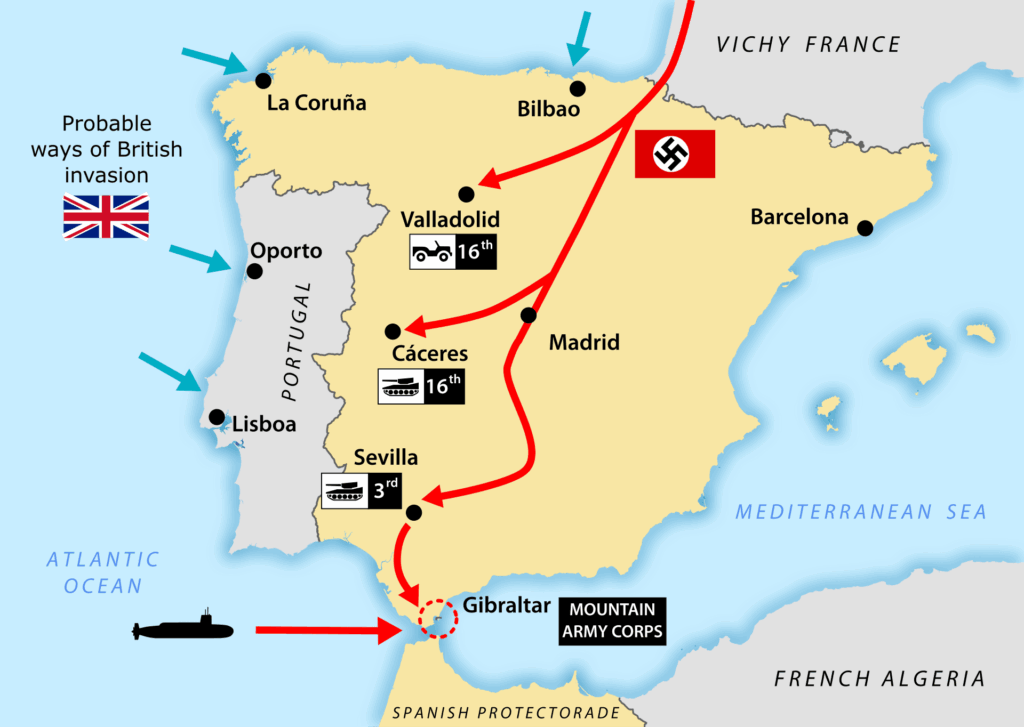
Under the plan, a combined mechanized and infantry force would cross into Spain over the Pyrenees and sweep down onto Gibraltar in a Blitzkrieg action. The actual make-up of the German Invasion Force was 16th Motorised Infantry Division, that would branch off and take the northern city of Vallaladolid whilst the 16th Panzer Division would make their headquarters at Cacares. An SS Division would occupy Seville. Meanwhile, the actual takeover of The Rock would be accomplished by a large military and mechanised force known as The Army Mountain Corps.
Field Marshall Walter von Reichenau was to be in overall command of Felix. An ardent Nazi, von Reichenau had a fearsome reputation. He was responsible for the notorious order to kill 33,000 Jews during the invasion of Russia.
With Operation Felix complete and its various generals picked, it was planned to be launched on 10th January 1941. All that was needed was Spanish leader Francisco Franco to give permission for the Germans to invade his country. However, this was not forthcoming. Neutrality suited Spain very nicely and Franco had no wish to be sucked into the maelstrom of a world war.
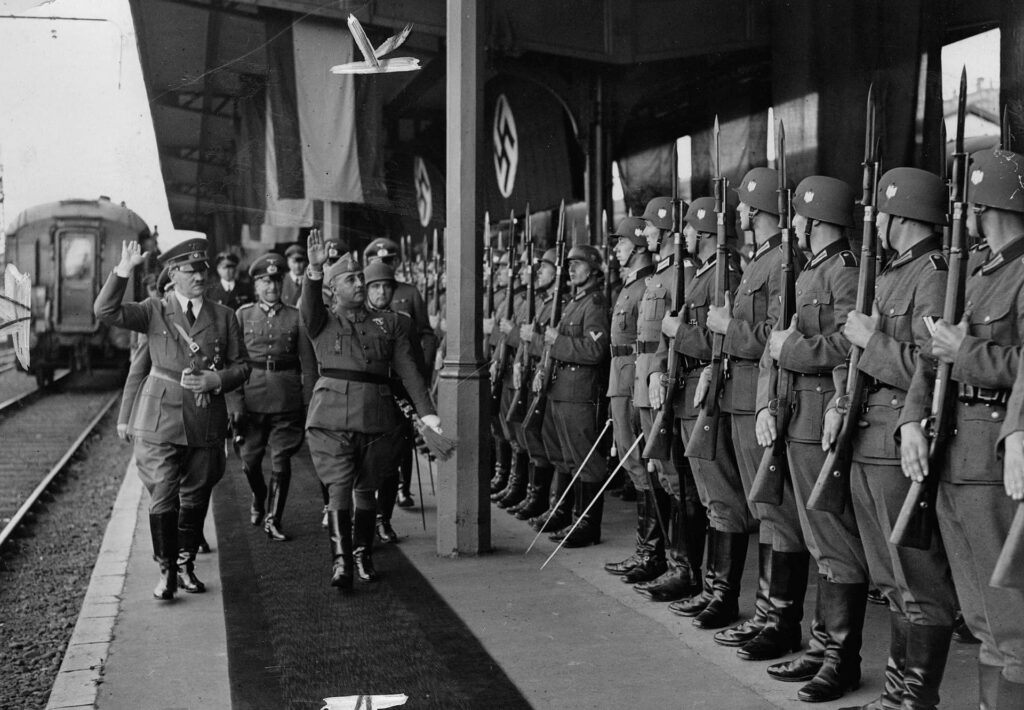
Franco's meeting with Hitler
The Spanish dictator was a wily politician and expert negotiator. Throughout the summer and autumn of 1940 he used these skills to the maximum when dealing with Hitler. In the diplomatic negotiations designed to bring Spain in on the Axis side, Franco asked for a high price from the Germans for Spain’s active involvement in the conflict. As well as Germany donating large amounts of food, petrol and arms to Spain, Franco also wanted the French colonies of Morocco, part of Algeria, Cameroon and Guinea. He also expected Gibraltar to be handed over to Spain once the Germans had captured it.
Hoping to resolve the difference between what the Spaniards wanted and what the Germans were prepared to give, a meeting was arranged between the two leaders. This would take place at the balmy little French resort of Hendaye on the border with Spain. No doubt Hitler hoped the gentle Mediterranean climate would soften up the Spanish dictator.
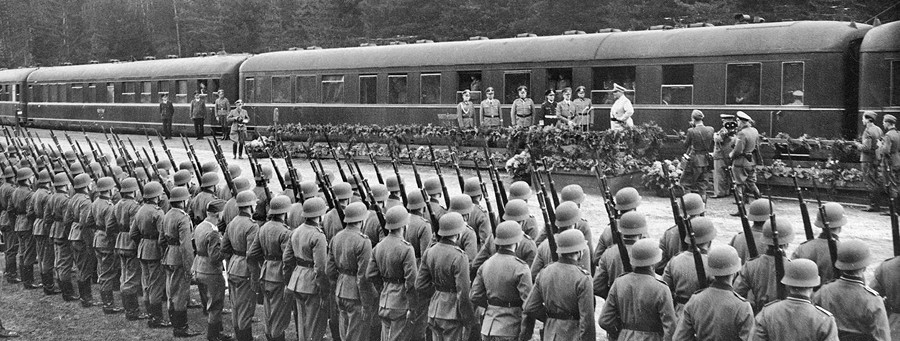
On 23rd October 1940, Hitler’s train, pulled into Hendaye Station. This giant mechanical beast was designated as Der Fuhrersonderzug Amerika or The Fuehrer’s Special Train America. The last part of the title was added by Hitler himself who admired what European settlers had achieved in North America. The train’s name was changed to the more Germanic Brandenberg when America declared war on the axis forces.
"I will make Hitler wait..."
Apparently, it was a beautiful Autumn day, and when Franco’s train arrived alongside an hour late, the humour and spirits of the Germans were not dented. Contrary to what the Germans believed, Franco’s late arrival was not down to Latin dilatoriness. It was a carefully calculated ploy to keep Hitler off balance and on the back foot during the coming negotiations. As the Spanish dictator stepped off his train, he muttered to his aides “This is the most important meeting of my life”, Franco told one of his generals. “I’ll have to use every trick I can, and this is one of them. If I make Hitler wait, he will be at a psychological disadvantage from the start.”
However, the meeting did not go well and after nearly nine hours nothing was resolved. Hitler was furious when he left his carriage on the train. He told his aides that Franco was unfit to be a sergeant in the German Army let alone a leader of a country.
Much of the meeting’s failure was probably down to the differing temperaments of Franco and Hitler. The Fuehrer told Mussolini later that he would sooner have some of his teeth pulled out than deal with Franco again. Whatever the full reasons for failure, The Meeting at Hendaye marked the beginning of the end for Operation Felix.
With its failure, Hitler’s interest in taking Gibraltar cooled and he turned his attention to Operation Barbarossa and the Invasion of Russia. From then on, Operation Felix and Germany’s best chance of victory over the British was dead in the water.
Franco has no illusions about the British
The German’s had always hoped that if they took Gibraltar, Britain would be forced into an early compromise and ultimately become their ally in a war against The Soviets. This was never likely to happen under Churchill’s leadership. A longer, complicated war was much more likely than England suing for peace.
Franco never had any illusions about the British. He believed they would never surrender even if they were forced out of The British Isles. It could well be that the power of The Royal Navy and the performance of the RAF in The Battle of Britain caused Franco to be reluctant to actually get into combat with the British.
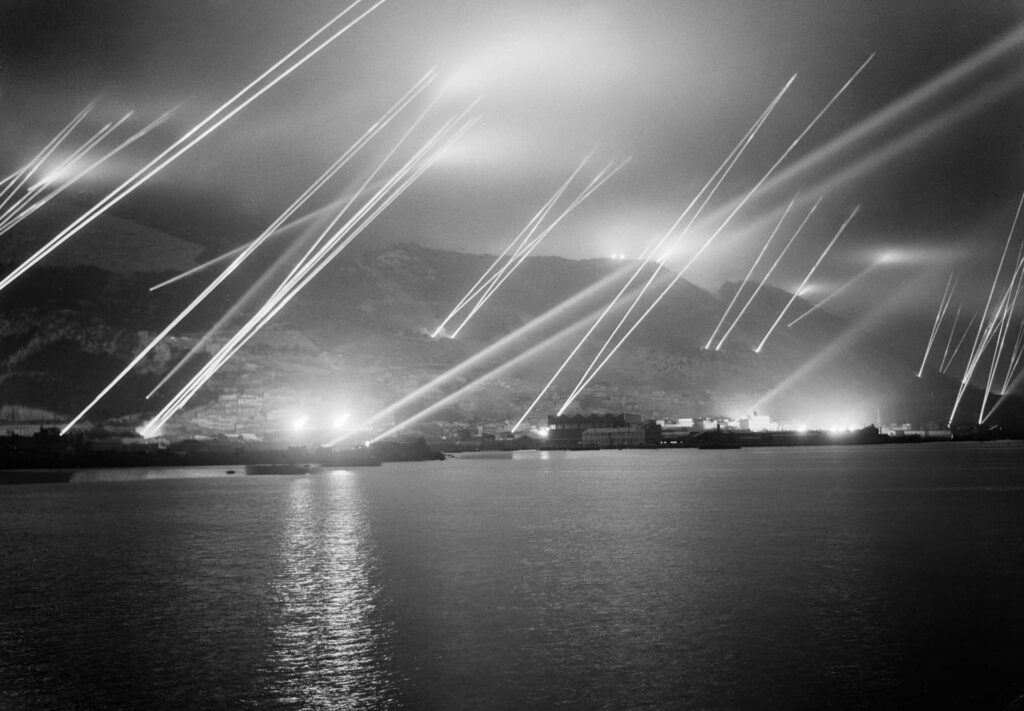
The British had always considered a land invasion of Gibraltar to be a possibility. With this in mind, Churchill’s government took active steps to beef up The Rock’s defences. This may well have helped sway Franco away from giving permission to Hitler to invade his country and take Gibraltar.
Admiral Canaris in Madrid
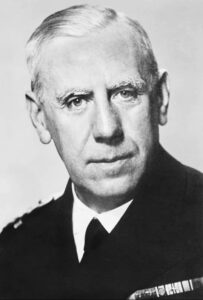
In the diplomatic toing and froing between Berlin and Franco’s Spain, Admiral Canaris was despatched to Madrid to negotiate with Franco to gain permission to invade Spain and take Gibraltar. However, this visit merely increased Canaris’ reservations about the feasibility of Operation Felix. Following his visit to Franco, Canaris went to the Spanish port of Algeciras just across the bay from Gibraltar. Using German ship watching stations established there, he was able to observe British military activity on the Rock. What he saw helped to confirm his belief that the British fortress could not be easily taken if at all.
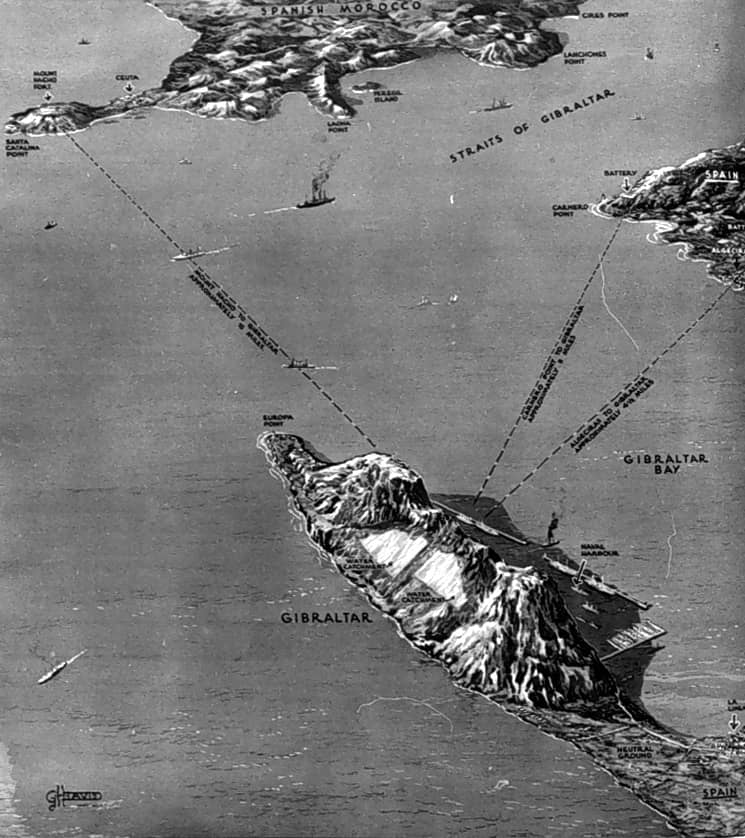
It was also his opinion that Franco was half hearted about Operation Felix. He also realised that capturing Gibraltar would need a large amount of men and military equipment for any chances of success. He knew this manpower and machinery was simply not available at that time. Apart from these strategic considerations, there was the natural state of the rock. Its very shape and size made capturing it a daunting prospect.
Had Hitler put in sufficient men and material from the beginning, it is likely he would eventually have seized Gibraltar. If that had been the case, the Second World War would have taken a very different path. It might even have been shortened. As it was, the outcome was different leaving Operation Felix’s cancellation to be one of history’s many ifs.
© Nick Brazil 2025
Photos: Wiki
About The Author
Nick’s books are Available on Amazon
Click above to purchase
Click to see full BMMHS event listing pages.
Contact us at [email protected]
Copyright © 2026 bmmhs.org – All Rights Reserved
Images © Nick Brazil