Seeds of War
by Nick Brazil
Russia’s chequered relations with its two asian neighbours Japan and China
Past conflicts between nations often provide the route maps to future wars. Russia’s chequered relations with its two asian neighbours Japan and China is a good example of this. Over a period of fifty years, Russia found herself at war, in an uneasy alliance and once again at war with Japan.
In 1904, the Imperial Empires of Russia and Japan went to war over possession of the territories of Korea and Manchuria. In addition to this, Russia wished to push eastwards to gain warm water ports in the Pacific for its Far Eastern Fleet. This was contrary to Japan’s strategic interests. Both sides used the reclaiming or protection of ancient territory as the causus belli.
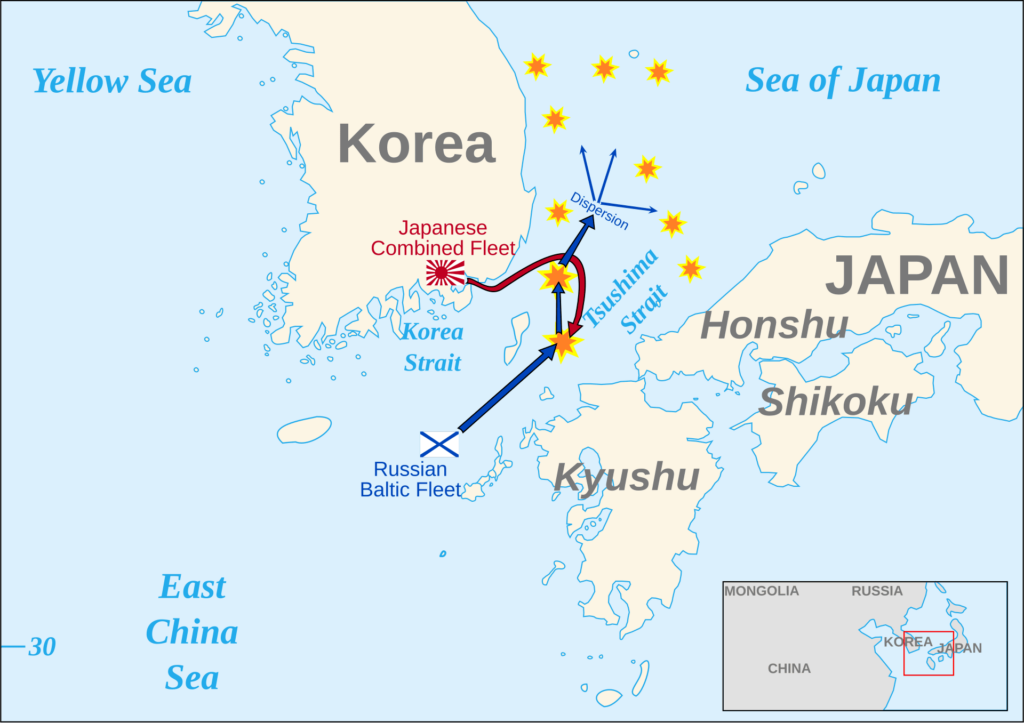
The eighteen month war did not go well for the Russians. It was characterised by a number of defeats to the Japanese such as The Seige of Port Arthur and The Battle of Mukden. It ended in Japan’s favour with the decisive naval battle of Tsushima on 27th-28th May 1905. Having sailed 18,000 miles from its Baltic Base, the Russian fleet of warships was outmanoeuvred and outclassed by the nimbler Japanese frigates and torpedo boats.
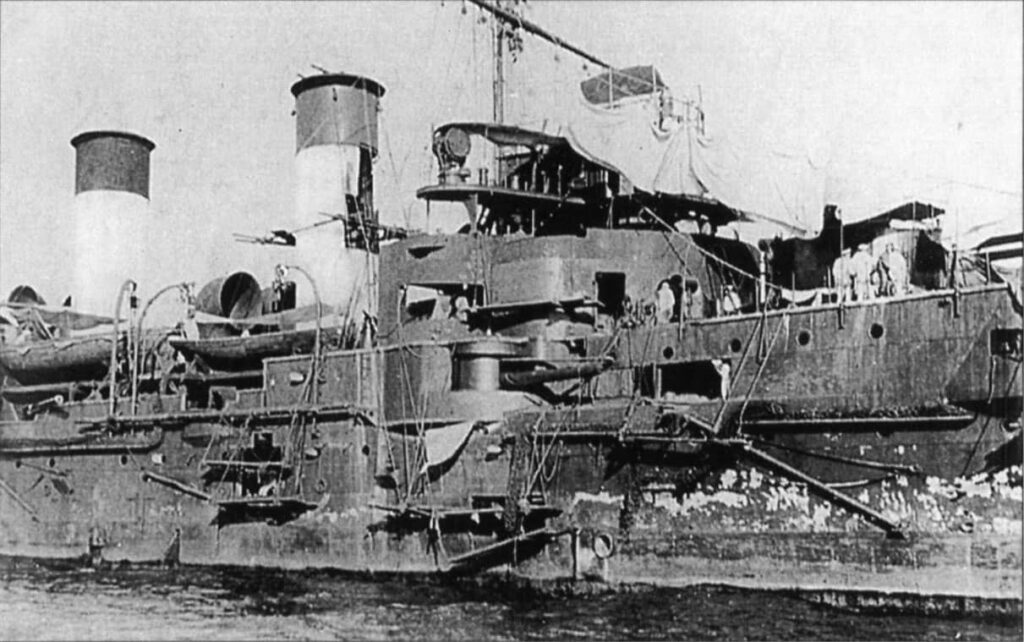
Russia's defeat at Tsushima
By the end of the engagement, Russia had lost all 11 of her battleships. Seven had been sunk and the other four had been captured forcing Russian Admiral Nikolai Ivanovich Nebogatov to surrender. With such a catastrophic loss of sea power, the Russians had no option but sue for peace giving overall victory to the Japanese.
This would have significant repercussions for both powers. In the case of Czarist Russia, its regime would be irrevocably weakened leading firstly to the First Russian Revolution in 1905 and then the Bolshevik takeover in 1917. By contrast, Japan’s victory established her as a major imperial power. She would use this clout to steadily conquer surrounding weaker neighbours. Ultimately, this would spark the lightning invasion of British, Dutch and French colonial territories in the Second World War.
The Japanese puppet state of Manchukuo
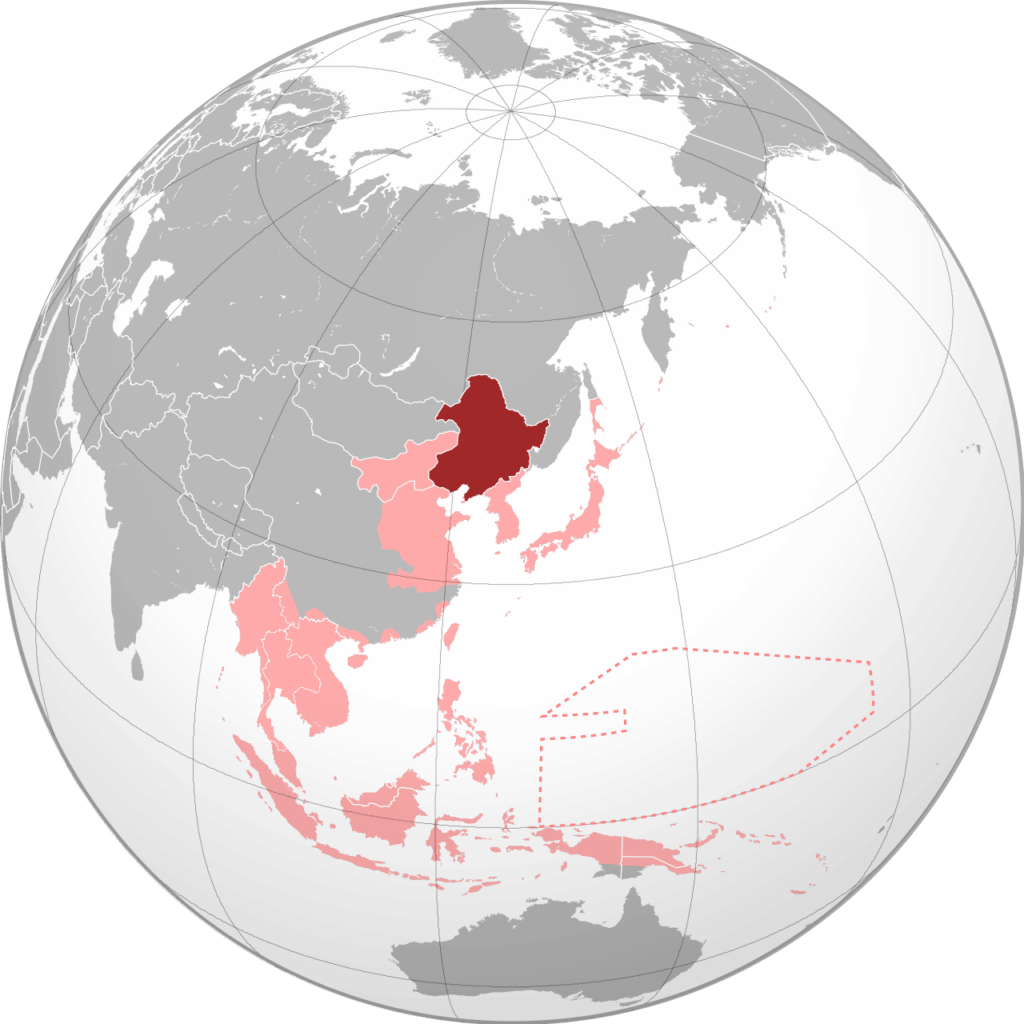
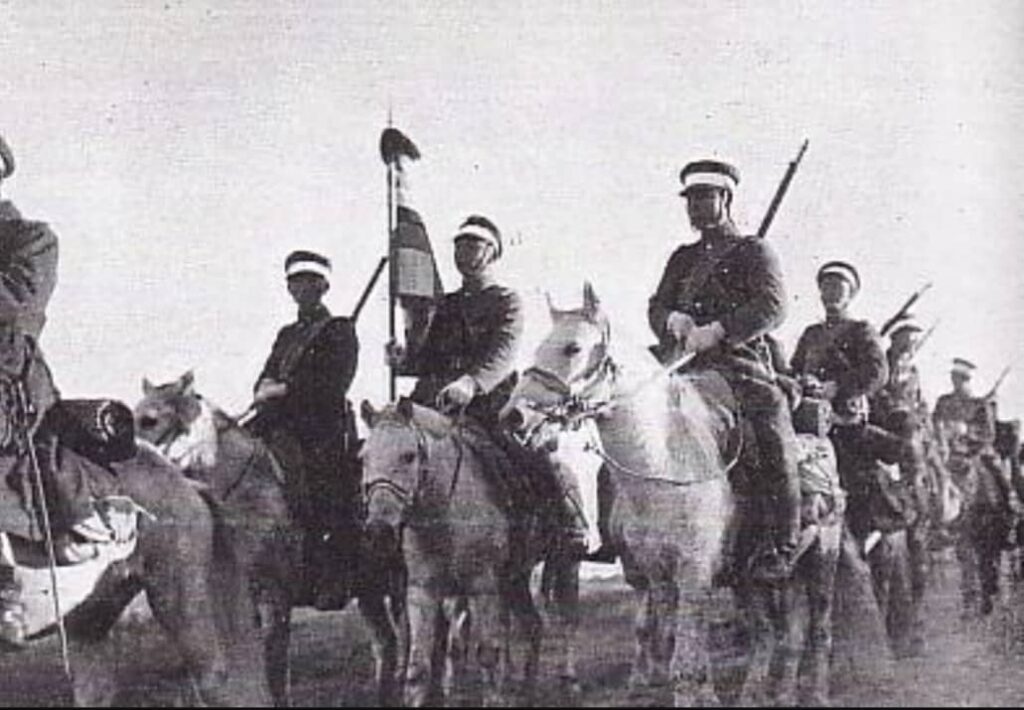
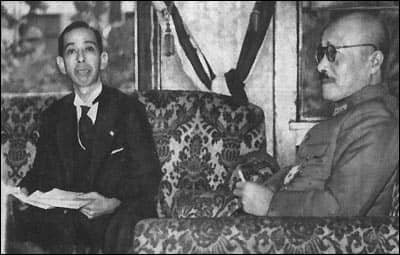
In 1932 Japan conquered Manchuria in North eastern China. Renamed as the puppet state Manchukuo, this created a long border with Russia and its satellite state of Mongolia. With Russia and Mongolia now under communist rule and Japan avowedly expansionist and imperial, the two sides were sporadically at war for the next seven years. This conflict became known as Soviet Japanese Border Wars. With the world’s attention on the rise of the Nazis in Europe, this war in a remote region gained little attention from the outside world. However, it grew into a major conflict between Russia and Japan and by the time the Soviets and Mongolians claimed victory in September 1939 both sides had suffered over 30,000 casualties and large losses of equipment.
For nearly two years the two sides coexisted in an uneasy standoff. Then, with the Soviets fighting the German Invasion of Russia and Japan now locked in war with the United States, matters were formalised by a treaty of convenience. On April 13th 1941, the Soviets and Imperial Japan signed a non aggression pact. This would hold good until the very end of The Second World War. This was not the only strategy Stalin might have adopted. He could have taken advantage of Japan being distracted by her War in the Pacific and attempted to invade the new enemy’s mainland. However, Russian memories of what a formidable foe Japan had been in 1904 and the nineteen thirties must have played into Stalin’s calculations. The risk of failure must have been high on that list.
Stalin captures Sakhalin and the Kuril Islands
As it was, the Soviets declared war on Japan just a few days before the official end of the Second World War. This was when she was on her knees. During this onslaught, Stalin took the disputed territories of Sakhalin and The Kuril Islands. The Soviets also came close to grabbing half of the Japanese island of Hokkaido, but the risk was still considered to be too great. At the end of the war Russia clung on to the Kurils and Sakhalin.
Today, the Kuril Islands are still claimed by the Japanese and continue to strain her already difficult relations with Russia. Until recently, nobody would have seen this as a cause for war between the two countries. However, with Russia’s newly expansionist and warlike nature this can no longer be taken for granted. Who is to say she will not find some spurious historical precedent to invade Hokkaido claiming it is actually Russian? The long tentacles of old conflicts stretch deep into the earth.
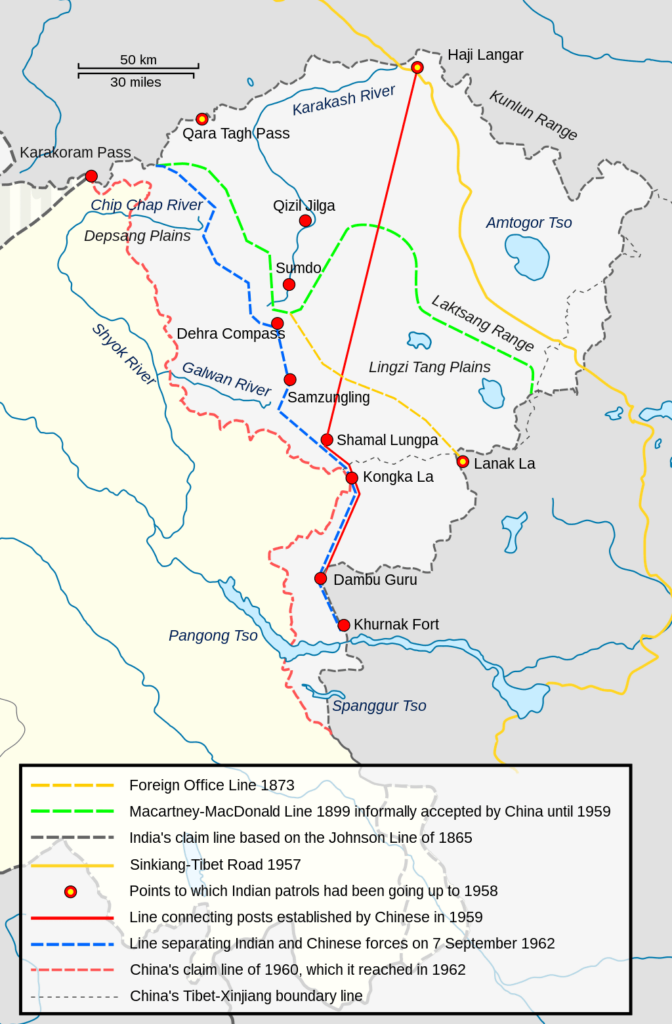
The Kuril Islands are by no means the most fertile part of this region to cultivate new dragons teeth from old conflicts. There are worrying signs that one recent war could well re-ignite. In 1962, the Communist Chinese Government sent the People’s Liberation Army over the border with India that runs along the top of The Himalayas. In doing so, they were enforcing their long standing claim that the existing borders were laid down by Colonial Britain and are therefore illegitimate. The PRC said this had cheated a weakly led China out of thousands of square miles of territory now administered by the Indian Government under Nehru. The main region that China wanted was the Aksai Chin glacier which would link two areas of China into one if captured.
India and China at war
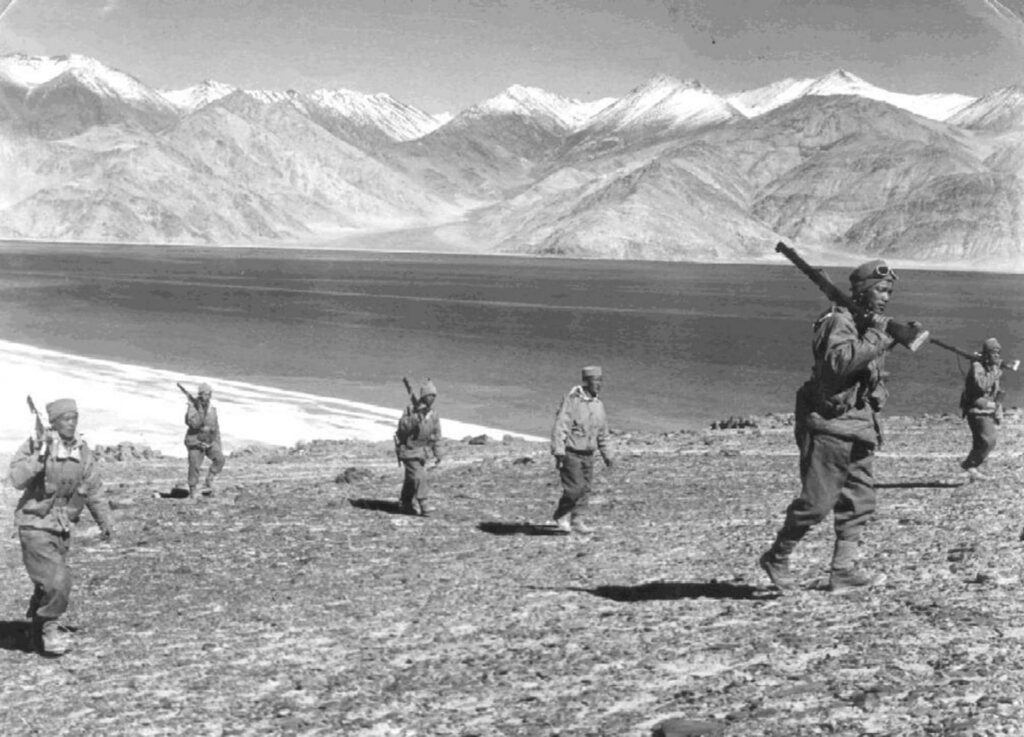
This short border war caught India totally by surprise. Her army which was not up to the job at the time, suffered a resounding defeat at the hands of the PLA. It was a humiliation that still burns deeply into the Indian national psyche. At the time, the PLA swept down into India taking most of the state of Arunachal Pradesh which China claims is their territory known as South Tibet.
A ceasefire was declared on 21st November 1962 with China claiming a military victory. However, international pressure, mainly by the US, forced the Chinese to withdraw to the pre-war line of control. At the time, the PRC clearly felt unable to confront America militarily. This left Arunachal Pradesh under Indian control but claimed by China and the Aksai Chin Glacier in the hands of China but claimed by India. As far as Mao Tse Dung was concerned, he had what he wanted with Tibet and China linked as one through Aksai Chin.
This uneasy state of affairs with periodic clashes persists. However, recent events show how fragile the situation is. In June 2020 Indian and Chinese border troops clashed allegedly causing the deaths of 20 Indian and 4 Chinese soldiers. However, India claims the Chinese fatalities were actually much higher. Since then, the region particularly in Ladakh remains tense. Since the 1962 War, India has drastically upgraded its military which is probably why a full scale shooting war has not broken out. Nevertheless, as long as there is an aggressively expansionist regime in Beijing, the chances of a conflict occurring remain very high.
Control of the South China Sea
War between the People’s Republic of China and either her neighbours or Western Powers could also flare up in two other regions. As with the other disputes their roots stretch back to colonial times.
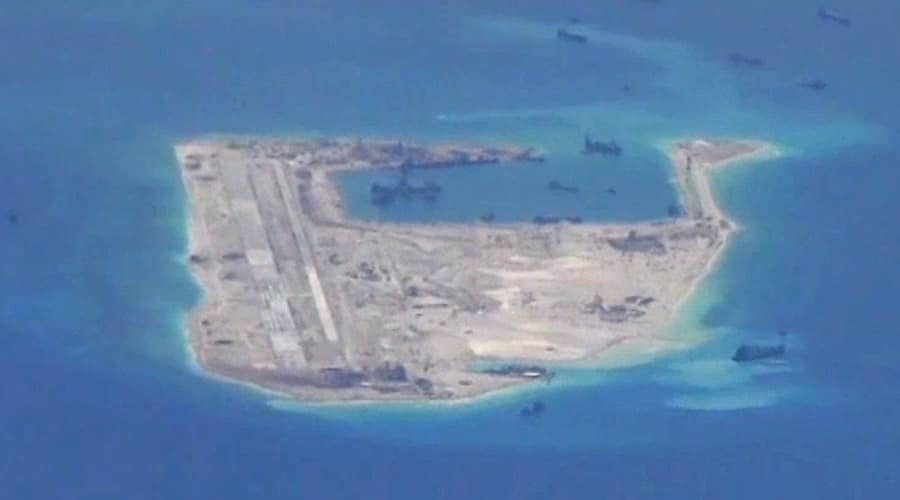
In the case of The South China Sea, this involves a claim by the PRC for virtually the whole area. The islands at the core of this claim such as the Spratlys, Paracels and Scarborough Shoal were originally claimed by various colonial powers in the nineteenth century. Chinese leader Xi Jinpiang rejects these colonial claims. Whilst the islands themselves are insignificant in size, control of them would also cover a sizeable area of the surrounding sea falling within their nautical limits.
Xi has made no secret of his wish to bring The South China Sea under the total control of the PRC. To do this would not only breach international maritime law but place a major international sea lane under China’s control. In 2016, 21% of the world’s shipping transited the South China Sea. Control of this $3.37 trillion trade would be a very powerful weapon in Communist China’s quest for world dominance. For the moment, uncertainty about the US response and the power of its navy has prevented this from happening.
Seeds for future conflict
Another ancient seeding ground for future war lies further to the north. This is the Siberian border between The People’s Republic of China and Russia. In 1860 The Convention of Peking granted large tracts of Siberia to Russia after her victory over a weak Chinese regime in the Opium Wars. This was one of the many agreements forced on China by stronger colonial powers which she refers to as The Unequal Treaties.
At the time of writing, China and Russia appear to be in a close diplomatic, economic and military relationship. This is keeping Russia afloat in her war in Ukraine. With good reason, western powers such as The United States believe this extends to covert Chinese logistical support of Putin’s invading forces. However, Russia would be wise to keep in mind that in her quest for world supremacy, China has no friends just temporary alliances.
As the Napoleonic and German invasions showed, wars of aggrandisement by hubristic despots rarely end well. The last chapter of The Ukraine War has yet to be written. However, one outcome is very likely. Whether it is a victory or a stalemate for either side, Russia will be left substantially weakened by loss of manpower and economic strength at the conclusion of this war. This could well provide the opportunity for China to invade Siberia to reclaim the territory she believes Russia stole under the guise of The Unequal Treaties. With the Chinese population outnumbering Russia’s by ten to one, the latter is likely to be overwhelmed in this coming war with her giant asian neighbour.
Only time will tell if these historical seeds of future conflicts will grow into future wars. A multitude of different events which are currently unknown will decide that. However, as long as there are power drunk despots ruling in the world, the next war is just over the horizon.

About The Author
Click to see full BMMHS event listing pages.
Contact us at [email protected]
Copyright © 2019 bmmhs.org – All Rights Reserved
Images © Nick Brazil