
Standing with Giants - Fort Nelson, November 2025
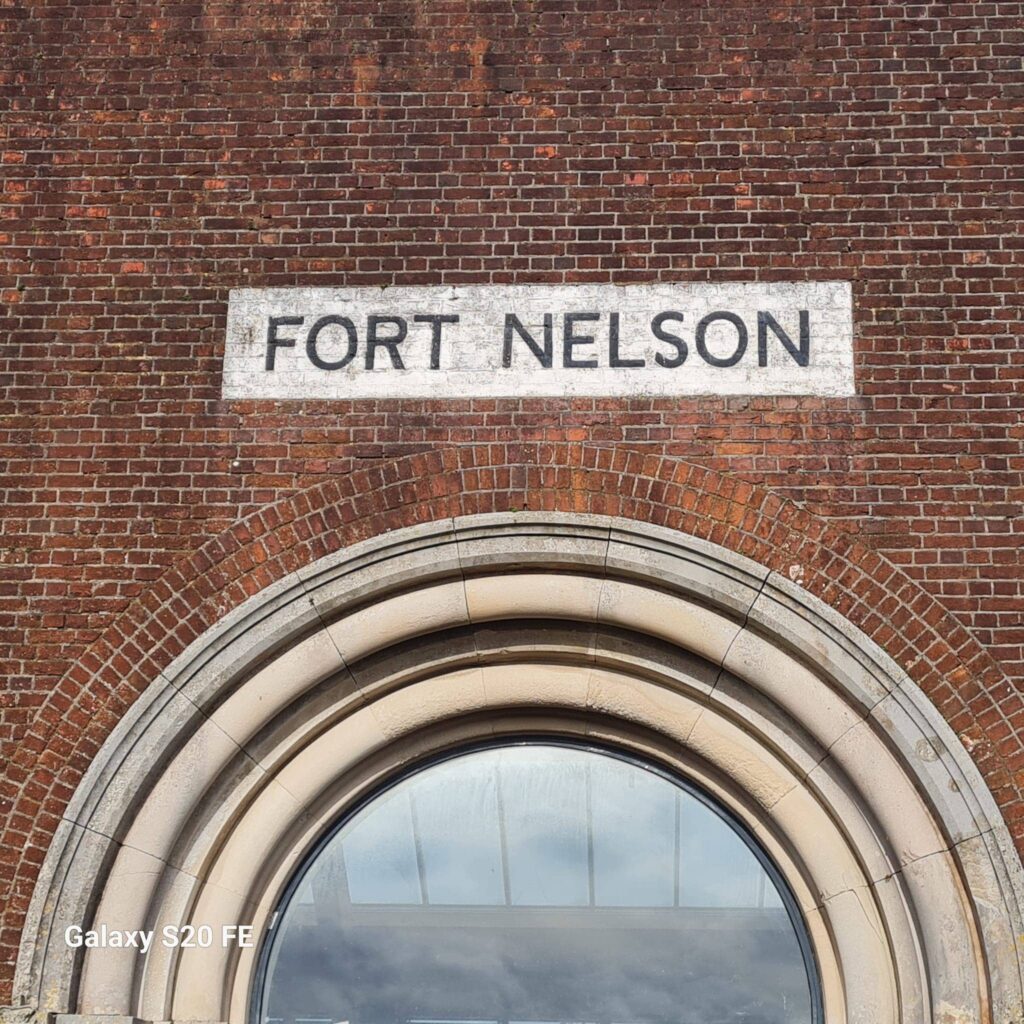
A bitter chill wind swept in across the Solent and greeted us as we pulled up into the Fort Nelson car park. Above us the giant fortress, built in 1860 to protect against a possible French invasion, gave a certain irony to our visit. An irony in that the 1475 silhouette soldiers, sailors, airmen and others who 80 years ago had given their lives on 6th June 1944 to ‘invade’ but better described to liberate Nazi occupied Europe from years of repressive tyranny.
The first sight was the ghostly figures peering down from the ramparts, moving slightly in the stiff breeze as the steady flow of mostly retired visitors made their way towards the Visitor Centre. Crossing over the substantial bridge to the entrance with the moat either side, a special tribute to those French civilians who had fought the Germans and assisted the Allies on D-Day. Silhouettes of men and women, children who had blown up railway tracks and signals, brought down telephone poles, blocked roads, covertly ferried secret messages, disabled German vehicles and done so much to delay and disrupt German reinforcements reaching the Normandy beachheads. They displayed great courage as the risks and dangers were immense with retribution a real danger as the destruction and massacre of over 640 townsfolk of the town of Oradour sur Glane by the SS Panzer Division Das Reich just 4 days after the landings bears testament. It was a fitting yet simple tribute to those French civilians who lost their lives in the cause for freedom.
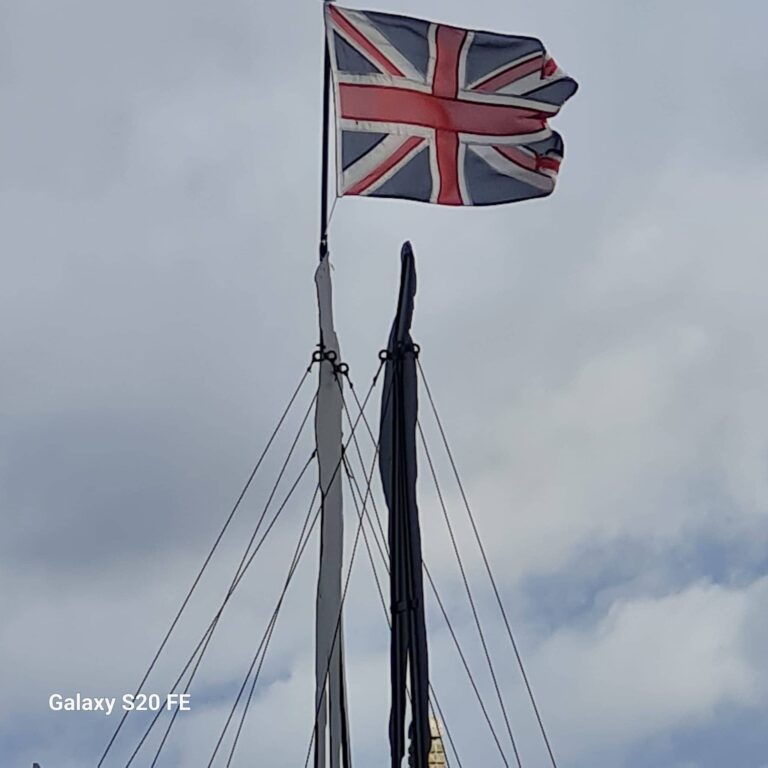
Moving through to the main area of Fort Nelson, one suddenly found oneself in a rather surreal world, mingling in between the silhouette Giants. Almost feeling as if one was imposing on their sacred space, a RM commando on one side, a naval seaman to the other, and RAF pilot ahead. Hundreds of these ‘Giants’ across the entire Fort Nelson parade ground, all with heads slightly bowed as if a tribute to each other. Eight feet tall, each one representing someone who lost their life on D-Day itself. And looking down upon us from on the high ramparts and battlements were hundreds more, silently paying homage to those comrades who never came home. High up on the central rampart was the flagpole with an airman, a sailor and a soldier alongside with the Union Flag cracking lustily in the breeze. A symbol of respect and defiance on that fateful day.
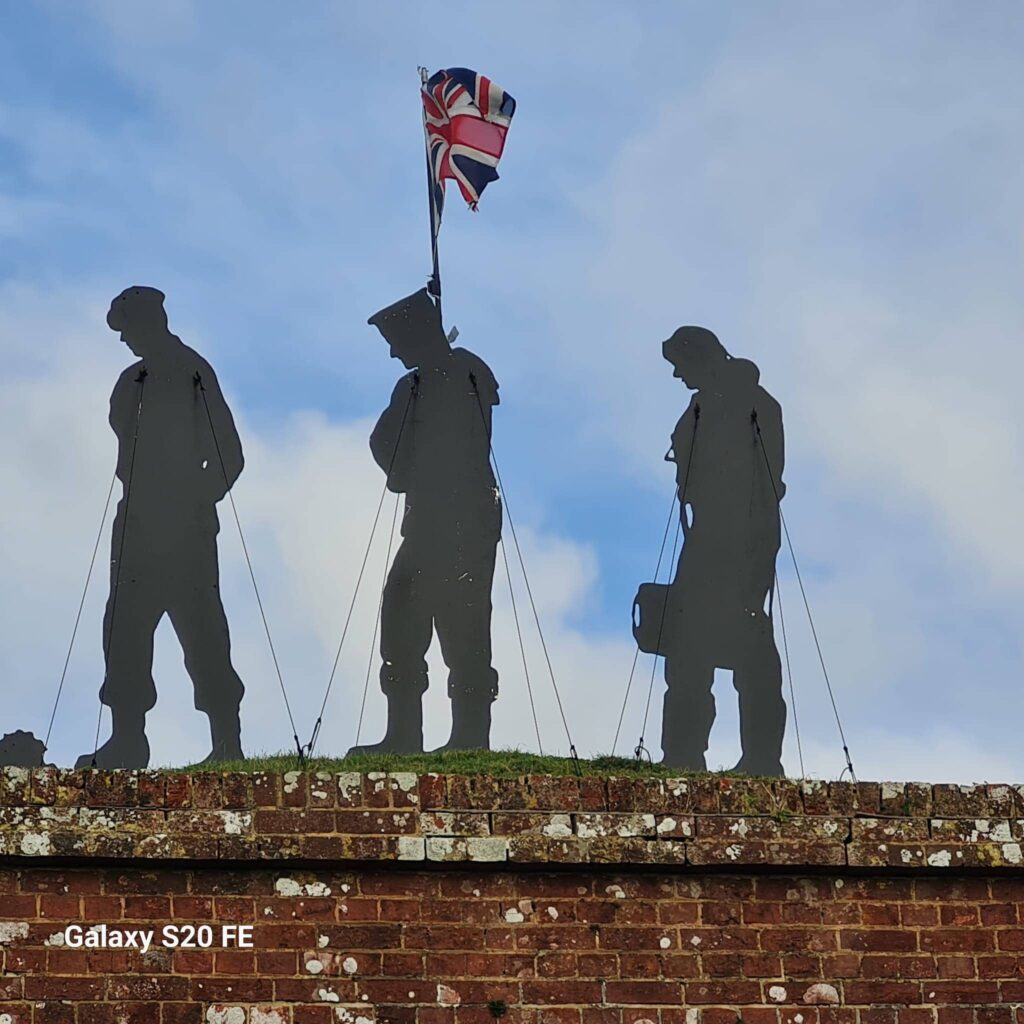
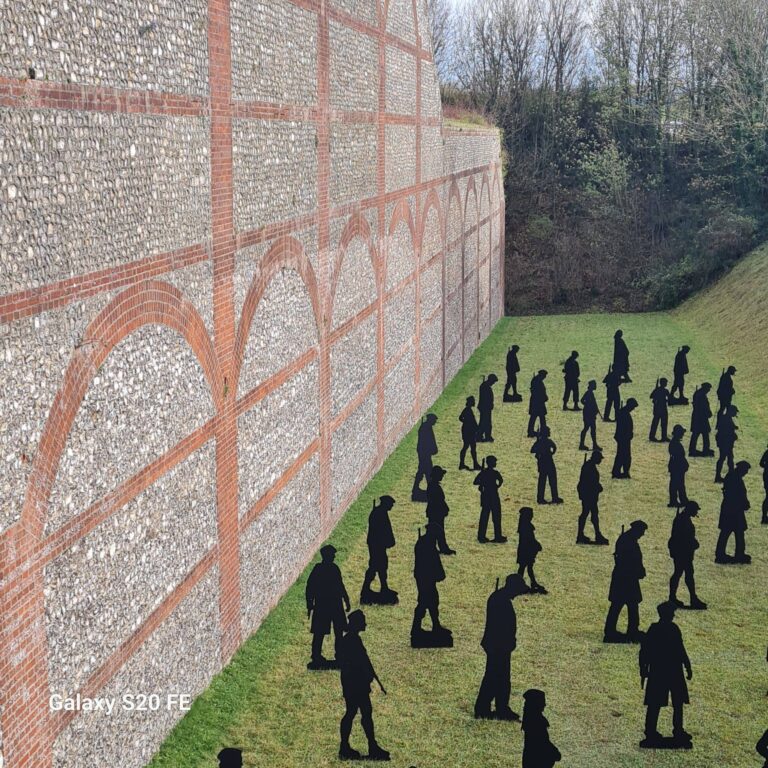
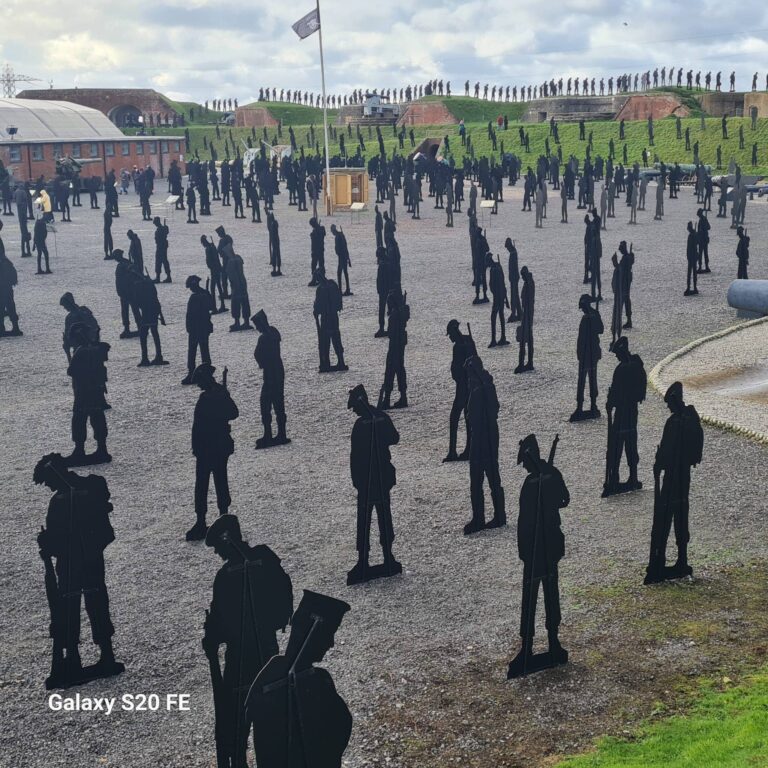
We walked up the grass walkways onto to ramparts, silently absorbing the rather eery scene. Couples or small groups hardly saying a word or just whispering, some taking a few photos, others deep in their own thoughts in total respect for those fallen servicemen and women. The sun started to break through about lunchtime bringing out the shadows for each Giant, and adding to the poignancy of the occasion, as these men and the few women are but a shadow of those who started out on the ‘Longest Day’ 80 years ago.The Giants glinted in the sunshine as they swayed changing colour between a rich black to a whitish ghostly grey, all adding to the surrealism of the occasion.
Having been fortunate to attend the main RBL D-Day celebration at Vers sur Mer overlooking Gold Beach on the actual 80th anniversary last year, the contrast between that and last week was substantial. That event with all the dignitaries, set overlooking the actual battleground and seashore set in lovely sunshine was a mixture of celebration of the actual 80th anniversary and a national tribute to those who fought. To honour the ones who didn’t return with all the publicity and media commensurate with a national event as the few remaining D-Day veterans were honoured. In contrast, at Fort Nelson on that bleak and blustery day last week, members of the general public visited the Giants without any ceremony encapsulated in their own thoughts to pay their own personal respects to those who fell on that important day. But at both events, the focus was on the men and women who didn’t return home, to those who fought and survived and for the country they liberated and for the freedoms we now treasure today. Each individual who was killed that day was a special person to someone back home. A father, a mother, brother or sister, a wife, husband or fiancé or a good friend. Someone who was greatly loved and sorely missed. They made that ultimate sacrifice. As the moving Kohima Epitaph says
When you go home, tell them of us and say
For your tomorrow, we gave our today
Eighty years on, the Giants at Fort Nelson (and wherever they appear next) pay huge tribute to those who did not come home and their comrades who did, often with the guilt of having survived.
We headed home to Devon with the temperature dropping, the Giants glinting in the lowering sun, still standing upright and proud. A most thought provoking and emotional day.
Andy Cockeram
Chairman, British Modern Military History Society
Andy is also a Poppy Appeal Organiser for Colyton, Devon
Copyright © 2025 bmmhs.org – All Rights Reserved
Images © BMMHS