T. E. Lawrence & Captain Shakespear – Two Heroes of the Arab Revolt 1917

by Nick Brazil

The Turks...friends or foe?

The first dozen years of the twentieth century were very turbulent for the Middle East. The British, had a mixed relationship with the two other main players, the Arabs and the Ottoman Turk regime. It seems they could not make up their minds whether the Turks were friends or foe. This must have been a continual source of frustration for their men on the ground who wished to see the Arabs gain independence, particularly the Bedouin tribes of Arabia.

 Of all the many British players in this complex political game, two men stand out. Both of them are celebrated for their leading roles in the Arabs winning their long battle for self-determination. Today, one of these men remains famous the world over whilst the other has been forgotten by history.

Lawrence's role in the Arab Revolt

T. E. Lawrence would become known as Lawrence of Arabia and celebrated rightly or wrongly as the leader of the Arab Revolt against The Ottoman Empire. His role in that, indeed everything about him remains shrouded in controversy. As with many young men in Edwardian England his professional life began with the military.

In the years before the outbreak of The First World War, Lawrence worked as an archaeologist on the significant ancient city of Carchemish in Northern Syria. This was situated within the borders of The Ottoman Empire so it is likely the British archaeological team was barely tolerated by the Turkish authorities. During this time, there were reports of considerable friction between a German force working on the nearby Bagdad to Berlin rail network and Lawrence,

Between 1910 and 1914 the Ottomans and Imperial Germany had an increasingly close relationship. The Turks were eager to lay their hands on German military technology. For his part, the Kaiser was fascinated by the Ottoman Islamic culture. Both sides viewed an alliance as a barrier against the Great Powers of Great Britain and Russia.

Shakespear and Lawrence Two Heroes of the Arab Revolt
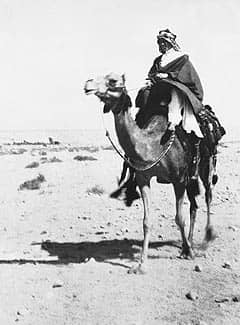
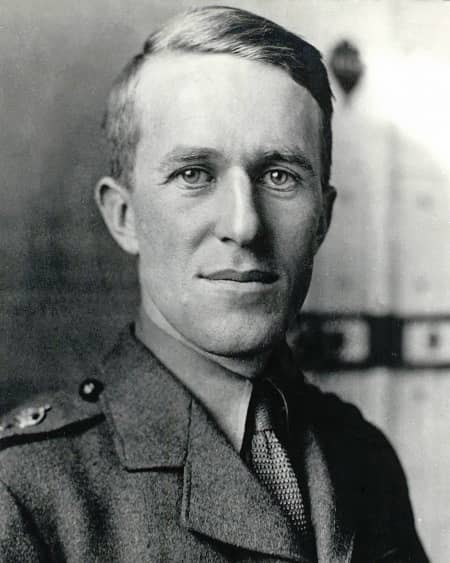
British Army File photo of T.E. Lawrence 1918. Source Wiki

Hit and run raids in the Hejaz Province

Shakespear and Lawrence Two Heroes of the Arab Revolt
Lawrence at Aqaba, 1917. Source Wiki

T. E. Lawrence, more popularly known as Lawerence of Arabia spent a great deal of his short life in The Middle East. Initially, he stationed in Cairo with the Arab Bureau a British military intelligence unit. His exploits for which he is best known occurred from early in 1917 through to September 1918. During this period Lawrence fought with the Saudi leader Faisel’s forces conducting hit and run raids on the Ottoman Railway lines in the Hejaz Province of what is now Saudi Arabia.

Without doubt Lawrence caused the Turks many problems during this period. His daring guerilla raids on their railway and telegraphic infrastructure tied down many thousands of Turkish troops. As well as the Arab Revolt, Lawrence took part in the major battles of Medina, Damascus, Aquaba and Megiddo.

These actions were vividly described by Lawrence in his reports and helped establish him as the desert hero known as Lawrence of Arabia. He was also lionised by the American journalist Lowell Thomas whose show about Lawrence and his Arabian exploits made him a household name in the United States.

A masterpiece of cinematography but how accurate is it?

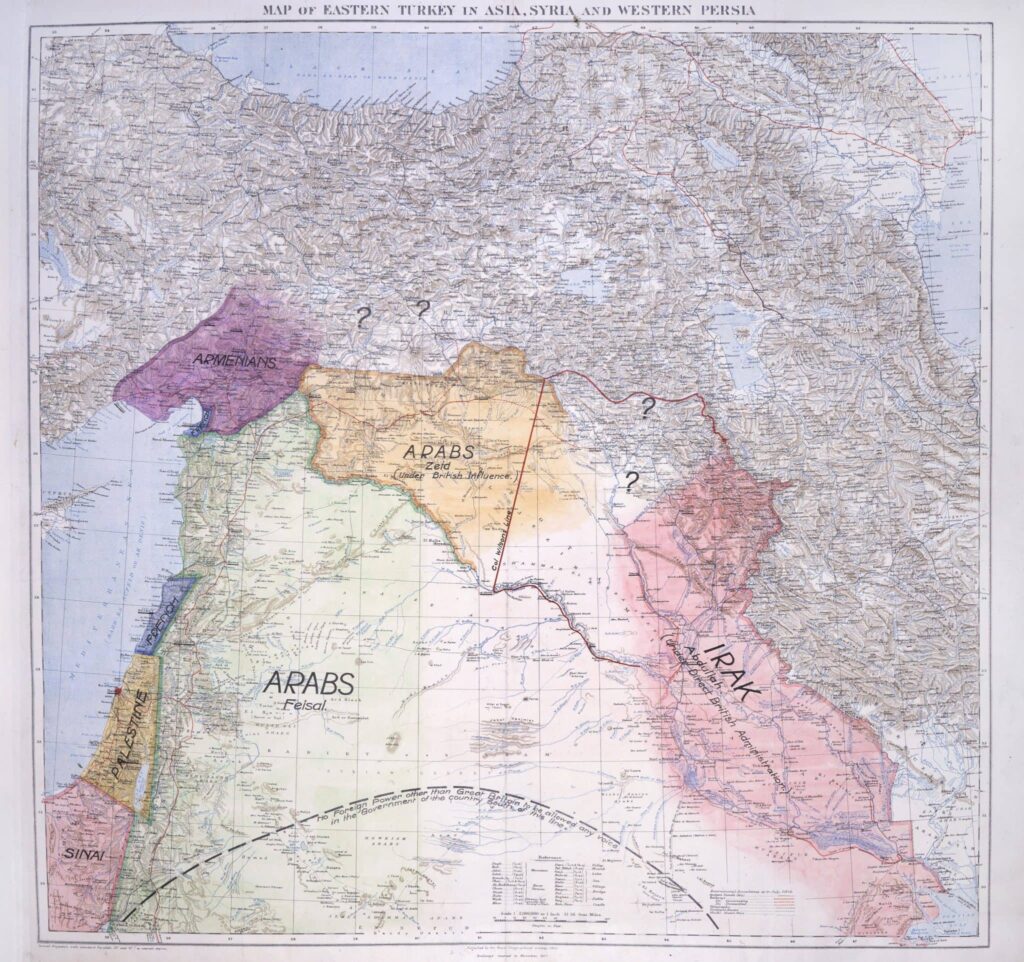
Whilst Lawrence played an important role in the Arabs gaining their self-determination he was undoubtedly betrayed by his British masters. At the urging of the French, the British authorities signed the secret Sykes Picot Agreement that carved up the Middle East between them giving the Arabs no say in the future of their lands.

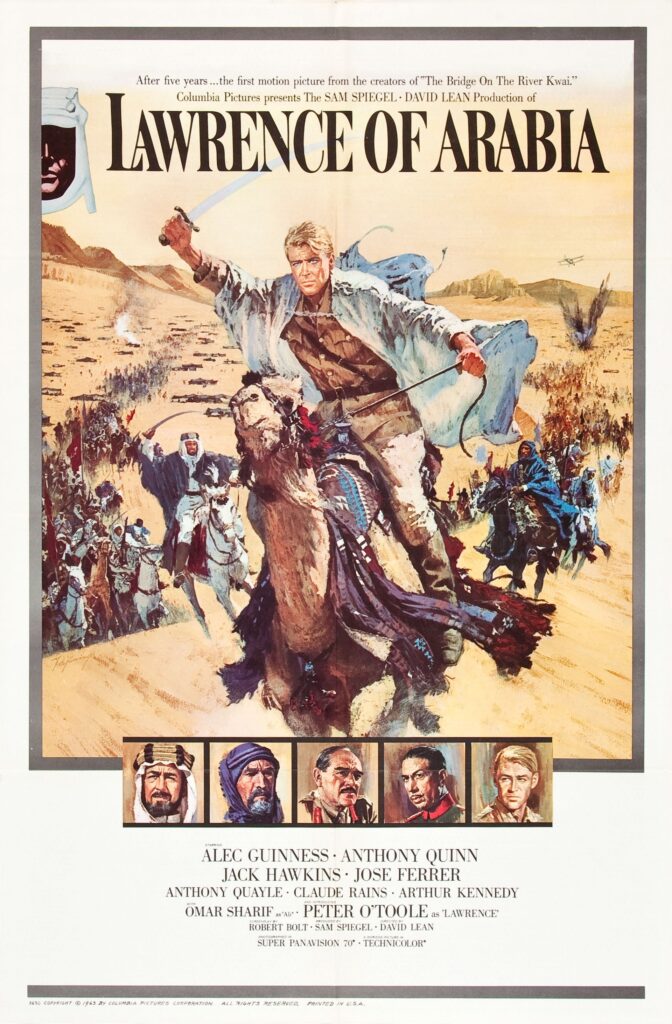
Today, scholars and historians continue to argue about how much Lawrence knew of this treaty and when he learned its details. The many fictional, dramatic accounts of Lawrence’s life on screen and in writing have also helped to muddy these waters. One film above all others has served to mould the public’s view of Lawrence and Arab history. This is David Lean’s 1962 film Lawrence of Arabia. Without doubt it is a masterpiece of cinematography which won eight Academy Awards in 1963 and is regarded as one of the ten greatest films ever made by The American Film Institute. But whether it accurately shows the history of this time is another matter entirely.

There are two scenes in the film over which a question mark hangs for their accuracy. The first is the incident when Lawrence was arrested by the Turks in Deraa, Northern Syria. The clear implication in the film is that Lawrence was raped by the Turkish Bey whilst in his custody. Historians disagree about the details of this incident with some even alleging it did not happen at all.

The film also depicts The Battle of Aquaba in a heavily fictionalised form with a massed charge of Bedouin attacking and taking the port from the land. In fact, the real Battle of Aquaba was fought at a Turkish fort called Aba el Lissan some miles from the town. The actual port was surrendered to the Arabs by the Ottoman forces with little or no actual fighting.

Members of the Lawrence family, particularly his brother Arnold also took exception to the way he was depicted in the 1962 film. Arnold felt that scriptwriter Robert Bolt’s depiction of him was inaccurate and negative. Lawrence died in a fatal motorcycle accident on 19th May 1935. Since that time, his fame and reputation have continued to grow.

Shakespear and Lawrence Two Heroes of the Arab Revolt
Lawrence of Arabia's map, presented to the Eastern Committee of the War Cabinet in November 1918. From the British National Archives.
Shakespear and Lawrence Two Heroes of the Arab Revolt
Poster for the film Lawrence of Arabia (1963). Artwork by Herbert Terpning. Source Wiki

Captain Shakespear

The very opposite has happened to that other great hero of The Arab Revolt, Captain Wiliam Shakespear who played an equally important role in the Arab Revolt. His premature death in The Battle of Jarrab on 24th January 1915 at the age of 37 meant that he would be all but forgotten by history.

Throughout his short life, Shakespear sought to be the best in whatever he did whether it was school sports or exploration of the unknown hinterland of Arabia. In 1907 having taught himself to drive he travelled from Kuwait to London in a Rover he had bought in Karachi.

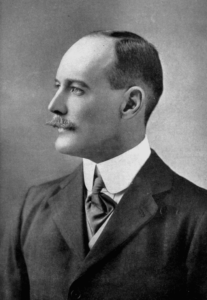
A keen photographer, Shakespeare was responsible for capturing some of the most enduring images of Arabia in the first part of the Twentieth Century. He was also responsible for taking the very first photographs of Ibn Saud.

Shakespear and Lawrence Two Heroes of the Arab Revolt
William Henry Irvine Shakespear. Source Wiki

Shakespear and Ibn Saud

As the British Political Officer in Kuwait, he went against the Government of the day by developing close ties with the Saudi leader Ibn Saud. Like Lawrence, Shakespeare was a firm Arabist who went to great pains to study the desert and its Bedouin culture. After many meetings with Ibn Saud, Shakespear felt he had built the foundations of a firm relationship between the British Government and the future leader of Saudi Arabia. This was long before the discovery of oil in Arabia and intergovernmental relations such as those fostered by Shakespear with Ibn Saud were all important for their political clout alone. Had Shakespear survived, the course of middle eastern politics would have taken an entirely different course much more favourable to Great Britain than was actually the case.

Sadly however, fate intervened on 24th January 1915 when Ibn Saud’s forces were confronting their sworn enemies the Rashidis at Al Jarrab. Accompanying Ibn Saud in this battle, Shakespeare was a prominent and easily recognisable figure. Whilst standing on a hillock to photograph a better view of the battle, Shakespeare was shot and killed. His close relationship with the future Saudi King died with him. Whilst the British Government’ signed a treaty with Ibn Saud that had been drafted by Shakespear, its interest in Arabia waned after his untimely death. Had he survived, he would have been the most famous Englishman to mould his country’s future in Arabia and not Lawrence.

©  Nick Brazil 2025

Photos: Wiki

About The Author

Nick Brazil is an author, film maker and photographer. He has made eight documentaries and numerous shorter videos for the internet. He has also published four books including Cheating Death – The Story of a PoW and Billy Biscuit – The Colourful Life & Times of Sir William Curtis which is the story of the man who coined the phrase “The Three Rs”and his latest book The Ambush Was Closed for Lunch and Other Stories.
Nick Brazil self portrait
Nick Brazil

Nick’s books are Available on Amazon

Click above to purchase

Click to see full BMMHS event listing pages.

Contact us at [email protected]

Copyright © 2026 bmmhs.org – All Rights Reserved

Images © Nick Brazil