A Long War in Africa

The Angolan Civil War

by Nick Brazil

The Carnation Revolution

In early 1974, the Caetano dictatorship of Portugal was overthrown by leftist army officers. It became known as the Carnation Revolution and it also brought Portugal’s rule over its African possession of Angola to an end after five hundred years. This vast African country had already endured a long War of Independence lasting just over 13 years. There must have been many Angolans at that time who hoped they had seen the last of bloodletting and conflict.

Angola had a great deal to offer as an independent state with significant mineral deposits such as bauxite and oil. Its beautiful landscapes and abundant wildlife had the makings of  an ideal tourist destination. Sadly, its birth would prove to be both violent and long, destroying any chances of this potential being realised.

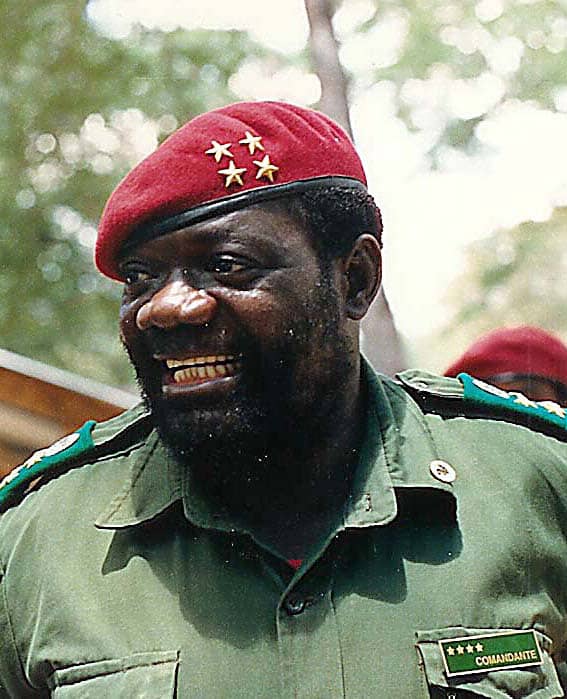
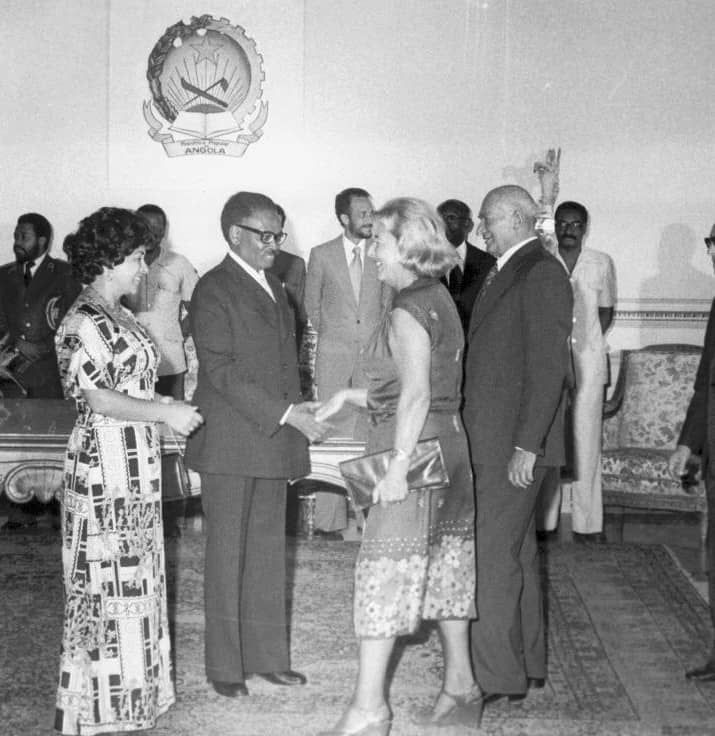
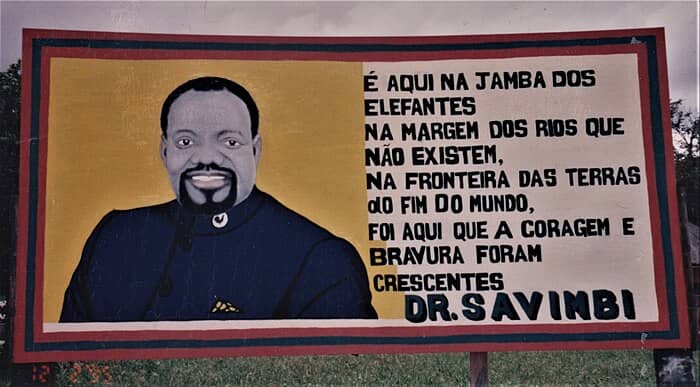
The prime reason for this was that the war against Portugal was fought by three competing groups of guerrillas who had no love for one another. The biggest was the marxist MPLA that drew its support from the indigenous populations in cities such as Luanda, Benguela and Huambo. It was initially led by Aghostino Neto, a poet and left wing intellectual. Then there was UNITA, led by the charismatic Jonas Savimbi who was a highly regarded guerrilla leader.  After initially flirting with Marxism and the Communist Chinese UNITA led by Savimbi wished Angola to become a democratic capitalist state. Throughout the Civil War, Savimbi forged close links with the US and the CIA.

Angolan Civil War
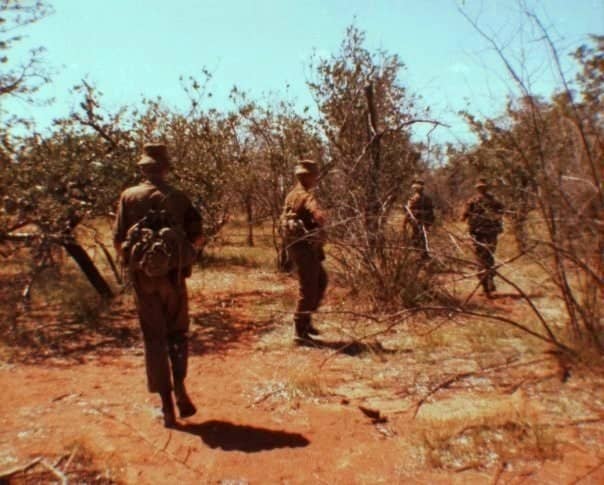
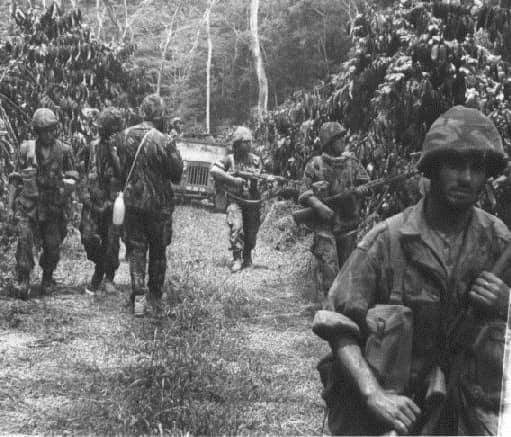
Portuguese Army soldiers operating in the Angolan jungle in the early 1960s. Source: Wiki
Angolan Civil War
Unita leader Jonas Savimbi. Source: Wiki/Ernmuhl
Angolan Civil War
Agostinho Neto, MPLA leader and Angola's first president, meets with Poland's ambassador in Luanda, 1978. Source: Wiki
Angolan Civil War
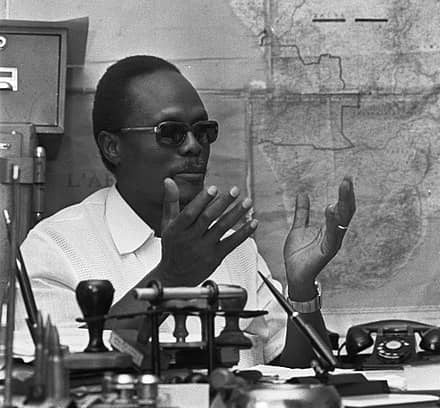
Holden Roberto, founder of the Angolan liberation movement Frente Nacional de Libertação de Angola (FNLA), and leader of the Revolutionary Angolan Government in Exile (GRAE) in Zaire in 1973. Source: Wiki/ Fotocollectie Anefo. Nationaal Archief, Den Haag, nummertoegang 2.24.01.05

A complex structure of competing groups

The oldest of the three groups was the FLN run by Holden Roberto which had also morphed from a leftist movement to become anti-communist in its orientation. After suffering several defeats by the MPLA, it would play only a limited role in the Angolan War. This being Africa, all three groups drew their support from different tribes.

In addition to this complex structure of competing groups, there were also two other smaller breakaway movements: FLEC which was solely dedicated to achieving independence for the oil-rich enclave of Cabinda and the RDL which had fallen out with the MPLA leadership. However, these were very minor players in the Angolan tragedy.

It did not take long for fighting to break out in newly independent Angola.  In July 1975, the first shots of the Angolan Civil War were fired when the MPLA forced the FLN out of the capital Luanda after heavy street fighting. To avoid a similar fate, Savimbi moved his UNITA forces out of the city to their main power base in the south of the country. One of Africa’s longest and most ruinous conflicts had begun.

The height of the Cold War

This was the height of the Cold War and the civil war soon became a proxy conflict between the Capitalist West and The Communist East. The Soviet Union backed the MPLA with money, arms and logistics whilst the United States gave similar support to UNITA. Initially, the MPLA made all the running by capturing eleven of the fifteen provincial capitals. At this point, the South African Government became involved in the War for two reasons. 

Firstly, they sent in troops to protect South Africans working on the Calueque dam and hydroelectric scheme on the Angolan border with what was then South West Africa (ruled by South Africa) when it was attacked by an unruly group of UNITA troops. This project was a hangover from the white-ruled state’s joint hydropower venture with the Portuguese Government. 

Secondly, with the Portuguese gone from Angola, South Africa faced the prospect of a former ally now becoming a hostile neighbour ruled by communists under an MPLA Government. The apartheid state had been fighting the South West Africa People’s Organisation in South West Africa since 1966. These guerrillas would often come from camps hidden deep in the Angolan bush. South African forces would mount cross-border raids into Angola to attack these SWAPO bases. The Portuguese colonial authorities turned a blind eye to these activities. With a hostile communist state, this would not be an option. 

Operation Savannah

Under the codename Operation Savannah, the South African intervention involved an initial force of 500 troops, but this was eventually expanded to approximately 3000 soldiers. With the aim of expelling the MPLA from Angola, it pushed deep into the country. The topsy-turvy world of conflict often makes for strange bedfellows. The Angolan Civil War was no exception to this with Apartheid South Africa allying with UNITA the black liberation movement. What gave these two disparate forces common cause was the wish to rid Angola of communism.

Operation Savannah was also the trigger for a large-scale military intervention by Fidel Castro’s Cuba. Operation Carlota as it was known, involved many thousands of Cuban troops. By any standards, it was a remarkable feat of military logistics. On 7th November 1975 the Cubans flew in 100 heavy weapons experts from their base in Congo Brazzaville. Two days later this was followed by three ageing Bristol Britannias arriving from Cuba with a further 100 men.

Fidel Castro explained the intervention thus: “When the invasion of Angola by regular South African troops started on 23 October, we could not sit idle. And when the MPLA asked us for help, we offered the necessary aid to prevent Apartheid from making itself comfortable in Angola.”

Angolan Civil War
South African paratroopers on patrol near the border region, mid-1980s.. Source: Wiki/(Smikect)
Angolan Civil War
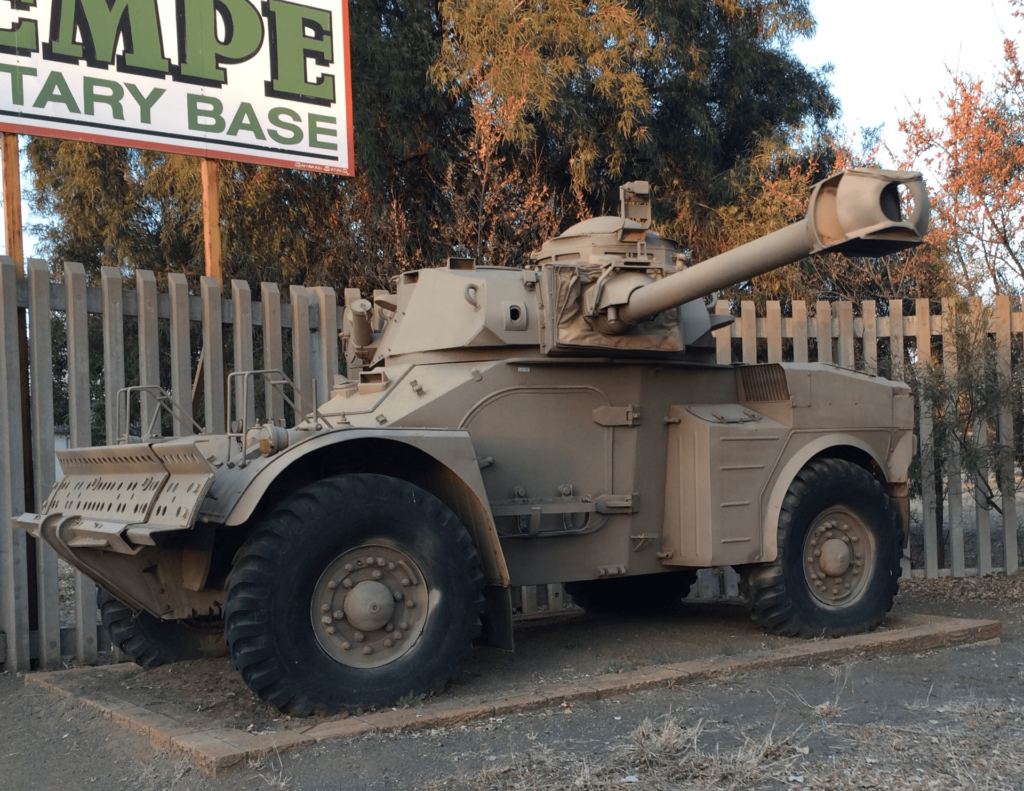
Eland-90 armoured cars served in Angola with the SADF. Source: Wiki
Angolan Civil War
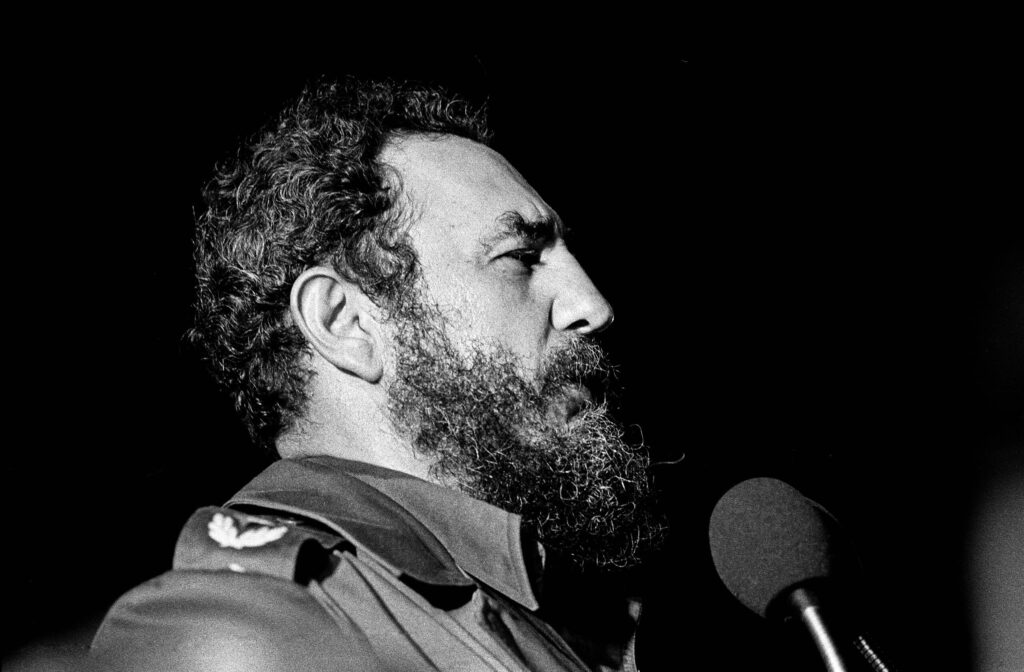
Fidel Castro, Havana 1978. Source Wiki

Cuban intervention

The Cuban intervention would soon involve thousands of troops and lock that poverty stricken Caribbean island into a long and bloody conflict. It is doubtful whether Fidel Castro and the leaders of his regime ever envisaged this. By all accounts, the Cubans thought their involvement in this African war would last no longer than six months.

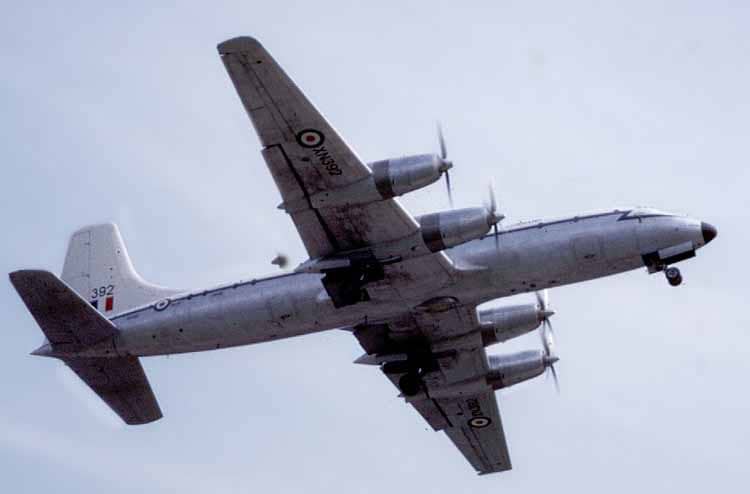
Up to the end of 1976, the three geriatric Britannias carried 36000 Cuban troops from Havana to Angola. To make this perilous 9000 kilometre journey, the planes had to refuel at various stops such as Barbados, Azores and Guinea Bissau. When US diplomatic pressure closed off these refuelling stops, the Cubans fitted extra tanks to the Britannias. By flying from the easternmost Cuban airport of Holguin, the planes were able to make it to Angola “on the smell of an oil-rag”. The fact that the Cubans never lost an aircraft on these long transatlantic flights is little short of miraculous.

It is a common misconception that Cuba’s involvement in the Angolan War was orchestrated by the Soviet Union. In fact, it was done on Castro’s initiative without any Soviet input. Operation Carlota was a surprise to the Russians when it was initiated. After this initial shock however, the Russians pitched in with ten logistics flights from Cuba to Angola using their advanced jet transport aircraft. Whilst the Soviets were long time supporters of the MPLA, major logistical support only occurred as a result of Operation Carlota.

Cuban troops were ferried to Angola using the three ageing medium-range Bristol Britannia turboprop planes which were not fit to make 9,000 km non-stop transatlantic crossings. Source: Wiki- Photo Adrian Pingstone.
Angolan Civil War
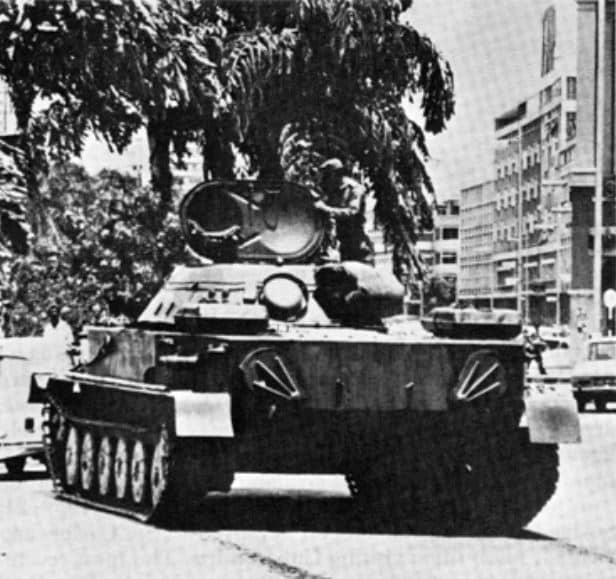
Cuban PT-76 tank crew on routine security duties in Angola. "Cuban Armed Forces and the Soviet Military Presence," 1982, Page 6. Source Wiki

South Africa intervenes

This intervention firstly by Cuba and then with Soviets changed this bush war into a fully fledged proxy conflict between the Soviet Union and the U.S. By 1976/77 Angola was split with an MPLA Government controlling the northern half of the country from Luanda and a rival UNITA government holding the South of the country.

Initially, the South African invasion into Angola from SWA was successful in blunting the MPLA and Cuban advance on UNITA. The Cubans were halted with a high level of casualties. However, with further reinforcements of thousands of troops from Cuba, the tide began to turn. The MPLA forces were supplemented by 1000 East Germans, and 3000 Soviet  personnel as well as 3000 Katangans who were opposed to Zairean President Mobutu’s rule over their homeland. It is unclear how many of these foreign forces were actually “advisors” and “logistic personnel” as opposed to combatants. 

The facts on the ground were that the MPLA and its allies far outnumbered UNITA’s main ally, South Arica. Eventually, the South African forces who had numbered 7000 at their height, were forced to withdraw. Without the aid of thousands of Cuban troops and Soviet support, it is unlikely the MPLA’s army known as FAPLA could have succeeded in this outcome. By the March 1977, they and their Cuban allies had secured a significant proportion of the country apart from the South. It was considered safe for their great saviour and mentor, Fidel Castro, to pay a state visit to Luanda on 24th March 1977. However, this ruinous war had a long way to run yet.
Castro's support

During the next 27 years of conflict, Castro’s regime was steadfast in its support of the MPLA in Angola. In total, approximately 380,000 Cubans fought in Angola with about 2000 being killed. It did not just involve boots on the ground, but also thousands of Cuban doctors and teachers to help support and develop Angolan society. Many young Angolans were also sent to Cuba for further education at an island off the Cuban coast called Isla de la Juventud. This had been converted by the Castro regime into an offshore learning centre for students from communist and socialist countries such as Angola and Mozambique.  

Operation Carlita involved a massive sacrifice in terms of people and resources for a poor country like Cuba. As with all Castro’s foreign ventures going back to the 1960s, Angola was not simply a war but a crusade to bring his form of socialism to Africa.

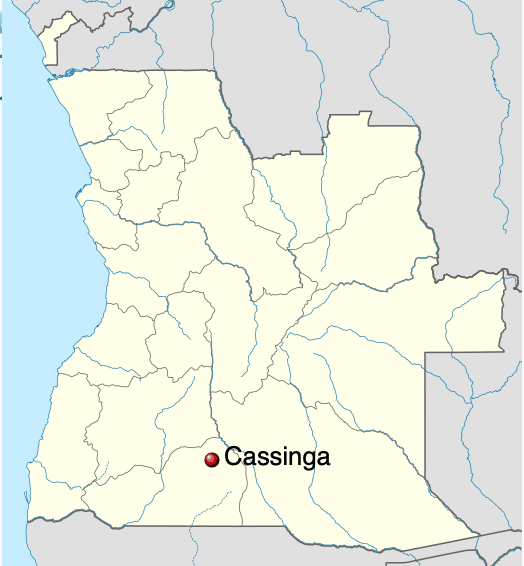
The war continued with battles against UNITA forces and the South African Defence Forces mounting bombing and commando raids from their bases across the border. In May 1978 the SADF mounted Operation Reindeer, its second major incursion into Angola to support UNITA Forces. The main target of this venture was to knock out the SWAPO base in the former copper mining village of Cassinga which lay 260 kilometres to the north of the border in Angola. Two smaller bases closer to the border were also targeted.

The Battle of Cassinga

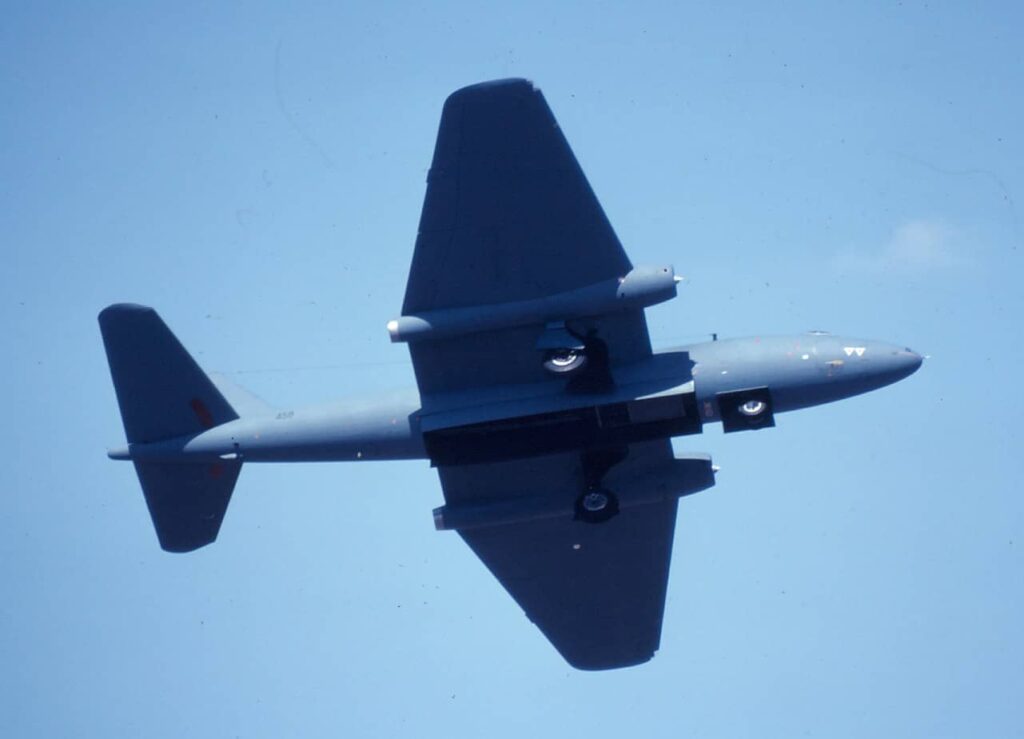
Cassinga was the most important SWAPO camp in Angola with a significant number of PLAN (People’s Liberation Army of Namibia) combatants based there. Reconnaissance photographs revealed a well established and defended military base. Operation Reindeer would be the SADF’s first air assault operation. The first phase was a bombing raid on the camp by SAAF Canberras and Buccaneers. This would be followed by a full scale attack on the camp by airborne paratroopers and their final evacuation by helicopters. 

Since the previous major engagements which had forced the SADF withdrawal, the South West Africa People’s Organisation, the guerrilla group fighting for independence in SWA/Namibia had greatly increased its presence in Angola. This had been done with the active help of the MPLA. It also led to an intensification of the bush war in South West Africa. Operation Reindeer’s  purpose was to reverse this advance by eradicating SWAPO’s main and auxiliary bases and capture its local leader Dimo Hamaambo.

Militarily, the operation was undoubtedly a success for the SADF. Cassinga and the other two bases were neutralised with approximately 600 SWAPO and 150 cuban combatants killed. Hamaambo the local SWAPO commando slipped the net narrowly escaping during the battle.

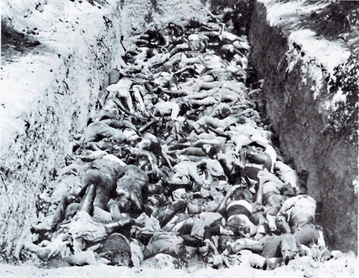
It was also very controversial. This was because Cassinga Base also contained a transit camp for refugees fleeing the fighting in SWA/Namibia. SWAPO alleged that far from being a military battle, the action was a massacre of 600 unarmed refugees by South African Forces. The South Africans and their allies insisted that they had targeted and killed only SWAPO and Cuban combatants. In truth, it would have been impossible not to incur some civilian casualties if their camp was within a military base.

Angolan Civil War
The Battle of Cassinga
Angolan Civil War
SAAF Canberra bomber
The Angolan Civil War
One of the mass graves at Cassinga. Source Wiki: South West African People's Organisation - 1978

Castro's troops on the offensive

Throughout the 1980s, the War increased in intensity with a number of major armed engagements between UNITA and the MPLA and Cuban forces. In 1981, South African Forces re-invaded Angola and would remain there until 1988. In response, The Soviet Union drastically increased its financial and logistical aid to the MPLA. On the other side, the US also increased its aid to UNITA largely through the CIA. This caused the fighting to steadily spread and spill over into the war between SWAPO and the SADF. 

In the early months of 1987 both the Cubans and South Africans found themselves with a similar dilemma. The Angolan War had locked them into a conflict that was proving increasingly costly. Both sides were looking for a negotiated way out that would provide “peace with honour”.

Castro’s. answer to this problem was to mount a large scale southwards advance with thousands of troops. His goal was to capture the two UNITA centres at Mavinga and Jamba. In doing so he hoped to mount negotiations that would enable him to extricate Cuba from this costly African venture under the guise of a glorious victory.

This Cuban/FAPLA(MPLA) advance was met by a significant UNITA/SADF force on the Lomba River. In a series of smaller battles, their advance was halted with a high number of casualties and they fell back to the town of Cuito Cuanavale.

The Battle of Cuito Cuanavale

The Battle of Cuito Cuanavale which lasted from 14th August 1987 until 23rd March 1988 and would achieve the distinction of being the largest land battle on African soil since The Second World War. On the one side UNITA fielded 28,000 regular and 37000 irregular combatants. These were reinforced by 700 South African troops that were increased to 3000 as the Battle progressed. Opposing them were 6000 fighters from the MPLA’s military wing of FAPLA and 3000 Cuban troops. Like the battle of Kursk in World War Two, Cuito Cuanavale was a series of smaller battles.

Both sides committed a significant amount of hardware to the fight. UNITA had 25 T-55 tanks whilst the SADF supplied 13 Oliphant tanks  and 120 Ratel armoured cars. In addition to this were South African G6 howitzer heavy guns. Able to fire shells for 30 kilometres with great accuracy, these fearsome weapons played an important part in the battle. In the air were 12 multirole fighters and 4 bombers. Although the MPLA aircraft far outnumbered their opponents they were defeated in the air war. Out of a total of over 100 aircraft they lost 18 as opposed to three UNITA/SAAF planes being downed.

Cuito Cuanavale was a battle fought for two primary objectives. On the one hand it was for  the ultimate control of Angola by either the MPLA or UNITA. From the South African perspective, it was more to draw the sting from the tail of SWAPO. In doing this the South Africans hoped to conclude their bush war. 

In the engagements that followed, the FAPLA/Cuban forces were badly mauled with significant losses in both equipment and combatants. In total nearly 4,800 of their forces were killed and about 10,000 injured whilst their Cuban allies lost 49 men. The casualties suffered by UNITA were also not insignificant amounting to 3000 dead. The SADF lost 38 men with 90 wounded. 94 out of 150 FAPLA tanks were destroyed along with 65 of their armoured cars. UNITA/SADF lost just 5 tanks and 11 other armoured vehicles.

Both sides claim victory

As with so much of this complex and tragic war, The Battle for Cuito Cuanavale is shrouded in controversy and disagreement. Whilst both sides claimed victory, UNITA with its South African allies won the military engagement. Not only did they inflict heavy casualties on FAPLA and the Cubans, they also destroyed a significant proportion of their hardware. FAPLA and the Cubans were also prevented from their main aim of capturing Mavinga and Jamba. It is also thought that General Arnaldo Ochoa Sanchez, chief of the Cuban military mission in Angola was executed as a result of Cuban military failings in Angola with particular reference to the outcome of this battle. They were also forced to the negotiating table. However, this enabled  the wily Castro with his superb negotiating skills to claim the battle as a great political and propaganda victory.

By the early 1990s the tectonic plates of world politics were affecting the course of the Angolan War. The collapse of communism robbed the MPLA of their chief supporter, the Soviet Union. This put them on the back foot and UNITA in a dominant position. Then, UNITA also lost their South African ally when Namibia became independent in March 1990. The result of this was South Africa’s total disengagement from Namibia and Angola.

The peace accord collapses

Fighting interspersed with negotiations between the MPLA and UNITA continued throughout the 1990s. In 1994 a peace accord was signed between the two sides. However, this collapsed when Savimbi turned down the role of Vice President and returned to the war. Some historians regard this as a major mistake. UNITA was able to continue the fight by selling diamonds from the mines it controlled in Angola. 


Angolan Civil War
The peace accord collapsed when Savimbi turned down the role of Vice President and returned to the war. Source Wiki

Savimbi is killed in a firefight

The war continued until 22nd February 2002 when Savimbi was killed in a firefight with FAPLA troops. Although many of his supporters refused to believe he was dead, this was soon verified. Over the next six weeks UNITA imploded without its founder and long time leader with its followers giving up their arms. On April 4th 2002 The Angolan Civil War finally ended after nearly 26 and a half years.

The war left approximately 800,000 people dead and four and a quarter million refugees. 70,000 Angolans lost limbs in landmine explosions.

Today, Angola is a peaceful democratic country with a growing economy. However, tribal enmities, particularly from the war, still exist beneath the surface. FLEC continue their intermittent insurgency campaign for independence in the oil rich enclave of Cabinda. No doubt the vast majority of Angolans fervently hope that war never returns. However, there is no guarantee this will not happen in the future.

©  Nick Brazil 2024

About The Author

Nick Brazil is an author, film maker and photographer. He has made eight documentaries and numerous shorter videos for the internet. He has also published three books including “Cheating Death – The Story of a PoW” and “Billy Biscuit – The Colourful Life & Times of Sir William Curtis” which is the story of the man who coined the phrase “The Three Rs”. 
Nick Brazil self portrait
Nick Brazil

To purchase this book please contact the author on [email protected]

Price £12

Available on Amazon

Click above to purchase

Click to see full BMMHS event listing pages.

Contact us at [email protected]

Copyright © 2019 bmmhs.org – All Rights Reserved

Images © Nick Brazil