A New Year Coup - The Jameson raid
by Nick Brazil
The troops cross the border into the Transvaal
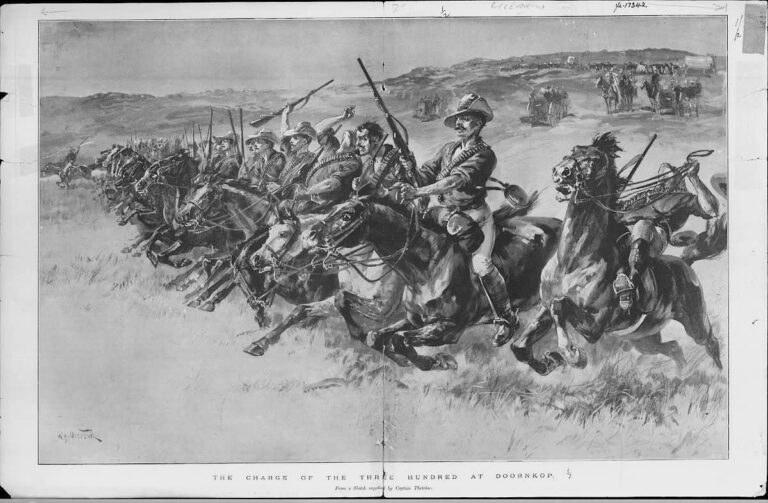
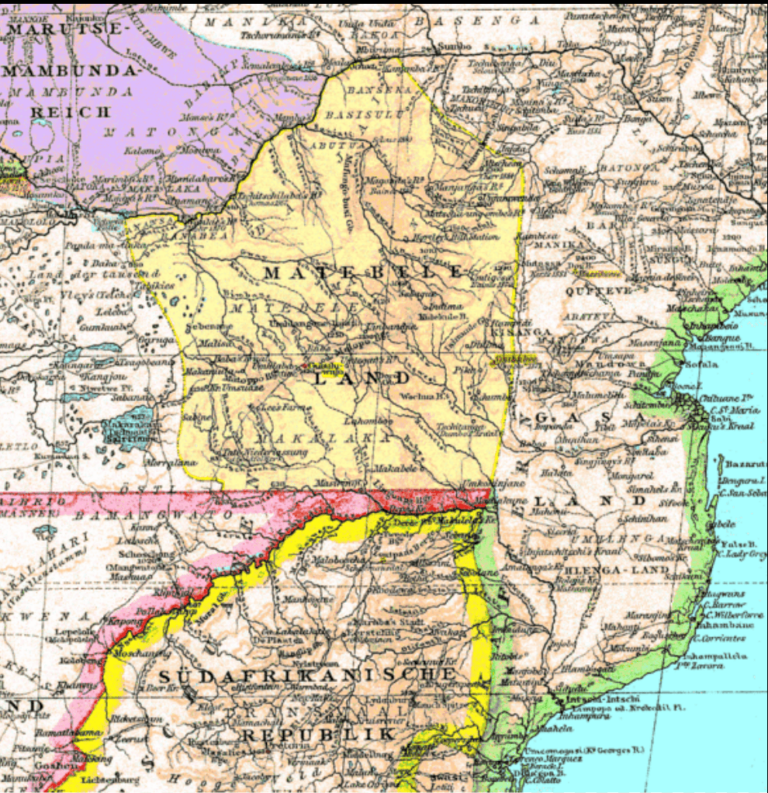
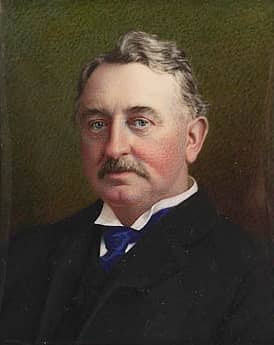
Early on the morning of 29th December 1895, a force of about 500 armed and mounted troops crossed the border between Rhodesia and The Boer Transvaal Republic. The invading troops were armed with Maxim machine guns, light artillery pieces and rifles. The men were all in the employment of Cecil Rhodes and his British South Africa Company. Their aim was to take over the Transvaal Republic run by the Boers – the people we know today as Afrikaaners.
Gold deposits in significant quantities had recently been discovered in the Transvaal Republic creating The Witwatersrand Gold Rush. Thousands of prospectors, known locally as uitlanders (foreigners) were drawn from all over the world to seek their fortunes in the `Witwtersrand Gold Fields. Rhodes, who harboured a lifetime’s hatred for the leader of the Transvaal Republic, Paul Kruger, had planned the raid. His idea was to stir up the uitlanders against the Boer authorities and grab the Republic and its mineral riches.
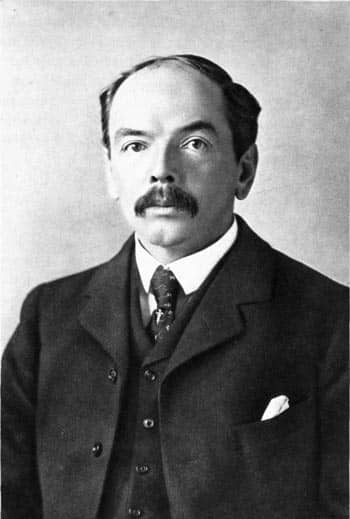
Leading the raid was Dr Leander Starr Jameson, a close associate of Rhodes. One can imagine the scene in the pre-dawn darkness of the African bush. Five hundred horsemen crossing into the Transvaal from the newly acquired colony of Rhodesia on its northern border. Jameson, always smartly dressed, would have led the force, clad in Bush khaki and wearing a wide brimmed hat. This was nothing less than a coup d’etat against a neighbouring government.
Jameson- a talented medical student
In his early years of his life, Leander Jameson proved to be a talented medical student. It is likely he would have made his name in medicine had his health not broken down. In an attempt to cure him, his family sent him to South Africa. It was there that he set up a medical practice with among others, the Matabele chief Lobengula and Boer leader Paul Kruger as his patients. It was at this time he first made contact with Rhodes for whom he negotiated the acquisition of large tracts of land from Lobengula. From then on his fortunes were inextricably linked with that of the diamond magnate.
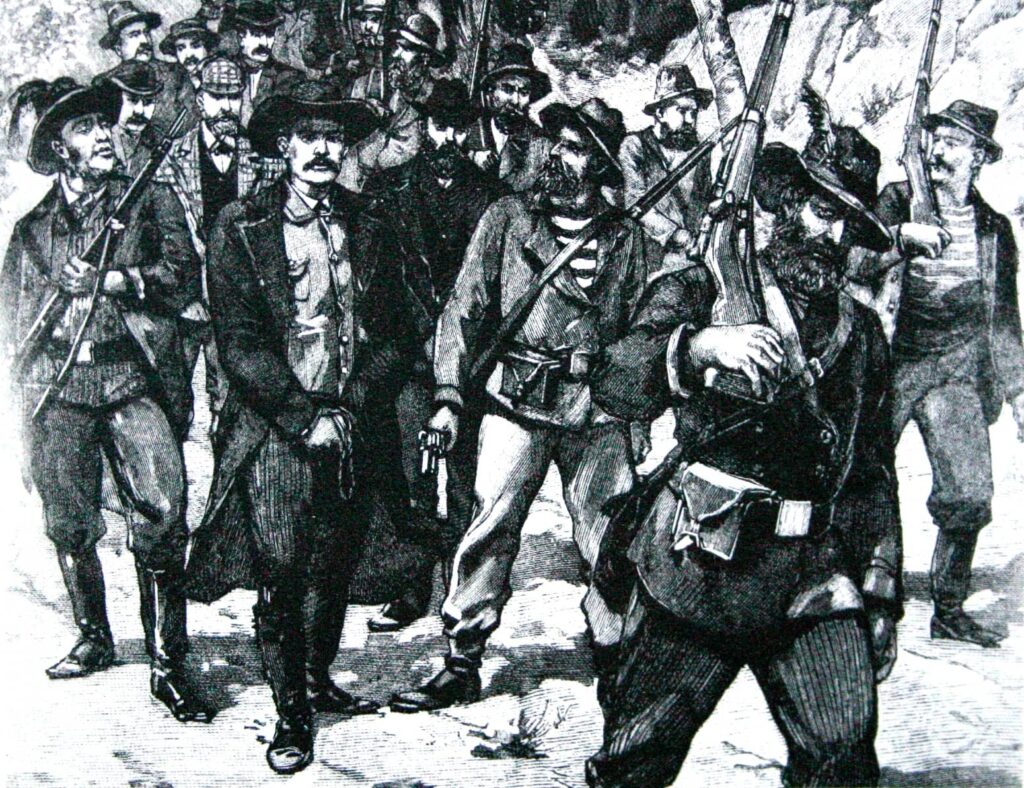
Jameson was a clever man who had little patience. When the uitlanders in the Transvaal threatened to go cold on the idea of a military coup, he decided to make a dash with his main force and take Johannesburg. His men had cut the telegraph wires to Cape Town, but mistakenly left those to Pretoria and the Boer leaders intact. From then on the Boer forces were able to track every move Jameson and his force made. As a result, matters did not turn out the way Jameson planned. His force encountered increased opposition from Boer forces en route to “The City of Gold.”
The first of these was at the town of Kurgersdorp and then, twenty miles further on at Doornkop. All along, Jamieson’s men were followed by a large number of Boer troops. Early in the morning of 2nd January, the Jamieson raiders were confronted by this much larger force of Boers and had to surrender. Rhodes’ attempt to grab someone else’s land was effectively over before it had started.
Rhodes is forced to resign
The fallout from the Jameson Raid was considerable. For his part in organising the raid, Rhodes was forced to resign as Prime Minister of The Cape Colony. He also had to resign as a director of the British South Africa Company. Jameson was handed over to the `British by the Boer authorities and was tried and imprisoned for 15 months. Initially, many of the Raid’s ringleaders were tried by the British and condemned to death for high treason. These sentences were then commuted to 15 years hard labour. Within two years all those who had been imprisoned for their involvement in the Raid had been released on payment of heavy fines.
Jameson’s force of 500 men had left the new colony of Rhodesia critically short of troops to guard it and keep order. Seeing an opportunity, the Ndebele tribes rose up against the British in what became known as The Second Matabele War. Within weeks, they were joined in their fight by the Shona Tribes. The Ndebele were led by their charismatic leader called Mlimo. He convinced his warriors they were safe from the settlers bullets which would turn to water or eggs on hitting their bodies. Mlimo’s game plan was to capture the town of Bulawayo, kill or drive out all the white settlers. It was a short and bloody war leaving 500 settlers and approximately 5000 tribal warriors dead. Their leader Mlimo was thought to have been killed by two settlers Frerick Burnham and Bonar Armstrong under controversial circumstances.
The Kaiser's congratulatory telegram
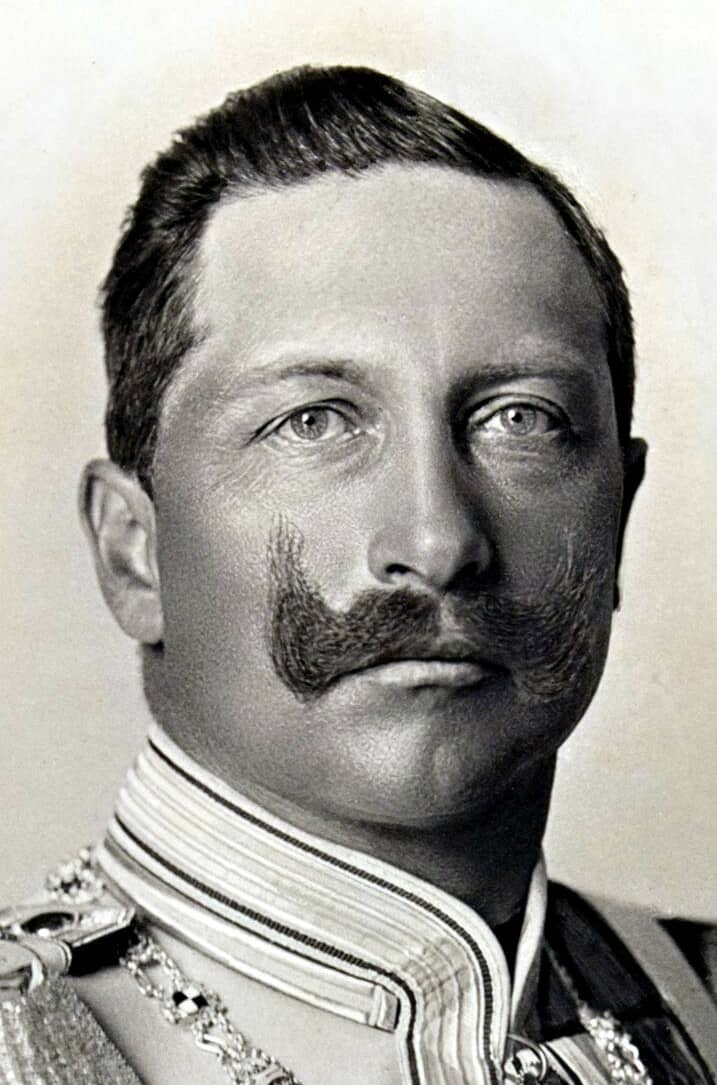
This was not an end to the troubles of the British South Africa Company however. As well as having to pay a million pounds in compensation to the Transvaal Republic, they also found their relations with the Boers in a very rocky place. Matters were not helped by Germany’s Kaiser sending a congratulatory telegram to Paul Kruger on the failure of The Raid. Many in Britain viewed this as tacit approval by the German Government of an uprising by the Transvaal Republic against Britain.
Following receipt of the “Kaiser’s Telegram”, the Transvaal Republic started to stockpile large quantities of imported arms. The actual Jameson Raid and these actions that followed was a contributory factor to the start of the First and Second Boer Wars in 1880-1881 and 1899-1902.The second of these was the longest and most ruinous. Lasting just over two and a half years, it pinned down 347,000 British troops fighting less than 50,000 Boer commandos. It was a costly war in terms of casualties with over 22,000 British dead against over 6000 Boer fatalities. In an attempt to beat the Boers and their guerilla tactics, Kitchener, the General leading the British force developed a scorched earth policy to deny the Boers any sustenance from the land, This also involved imprisoning thousands of Boer women and children in concentration camps. 26,370 Boer women and children who died in these camps, mostly from disease and malnutrition.
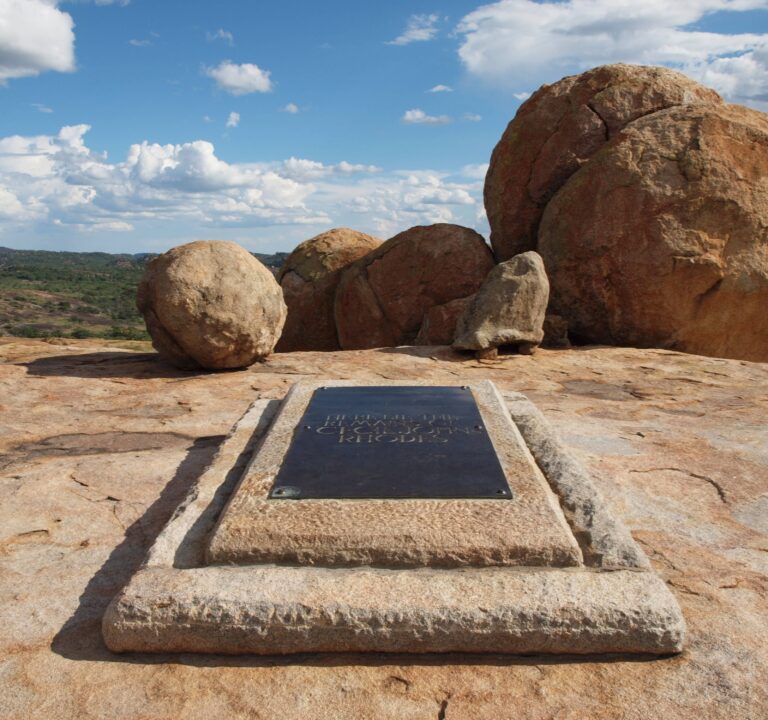
Like many historical events, The Jameson Raid was a small stone cast into the pond of world politics that ultimately caused much larger waves. The whole affair has been long forgotten by history as have its main players. Rhodes died at the relatively young age of 48 in 1902. Leander Starr Jameson lasted until 1917 when he passed away at the age of 64. Their graves are side by side in Zimbabwe’s Matobos Hills. As for Rhodes’ great wealth, in his final will he bequeathed it to creating Rhodes Scholarships to educate male students at Rhodes’ alma mater of Oxford University. Although originally intended for students from British colonies, its scale has now broadened considerably. At least one American President, Bill Clinton was a Rhodes Scholar.
© Nick Brazil 2025
Photos: Wiki
About The Author
Nick’s books are Available on Amazon
Click above to purchase
Click to see full BMMHS event listing pages.
Contact us at [email protected]
Copyright © 2026 bmmhs.org – All Rights Reserved
Images © Nick Brazil