The Luftwaffe’s Secret Unit: Kampfgeschwader 200 (KG 200)

An Overview by James Goulty

KG 200 Special Operations

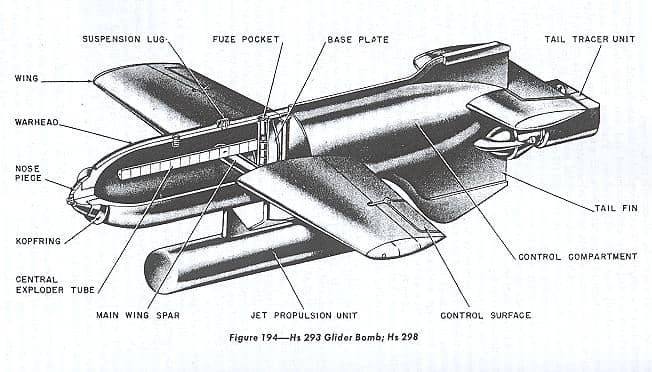
Shrouded in secrecy during the Second World War, KG 200 (200th Bomb Wing), was involved in a host of special operations, including delivering agents in captured Allied aircraft; long-range reconnaissance missions; and deploying some of the Third Reich’s more unusual and innovative aerial weapons, such as the Mistel (Mistletoe) composite aircraft, and Hs 293A rocket-propelled guided stand-off bomb. Even the leading German bomber pilot, Werner Baumbach, who commanded KG 200 for much of its operational existence, said virtually nothing about it in his memoir, published in English as ‘Broken Swastika: The Defeat of the Luftwaffe’ in 1960.   

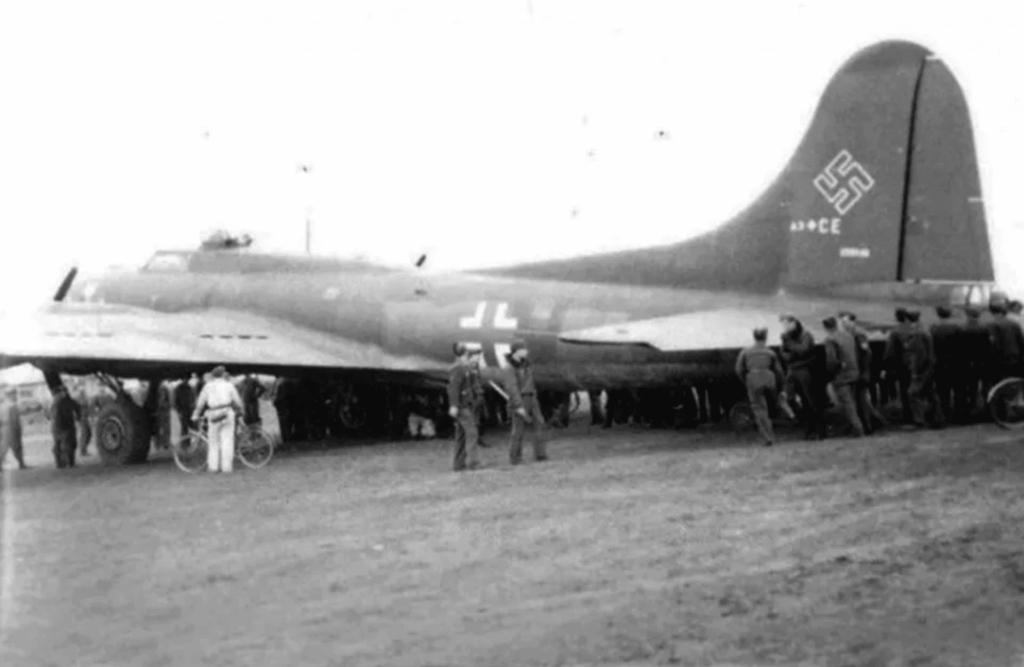
Post-war, this has led in some circles to KG 200 being viewed with mystique and ascribed greater capabilities than was in fact the case. In the 1977 novel, entitled ‘KG 200,’ J. D. Gilman and John Clive, for example, described Operation Ulysses. This was an audacious plan, whereby KG 200, employed a number of captured American Boeing B-17 Flying Fortress bombers to mount a raid on the Cabinet War rooms in London, supported by a strike against the garrison town of Colchester as a diversion, that if successful might well have altered the course of the war. The aircraft maintained American markings, and were flown by specially trained crews, led by ardent Nazi and Aryan ‘poster boy,’ Major Rolf Warnow, in his aircraft ‘Happy Hanna.’ Flying from Sola-Stravanger in Norway, the B-17s were to mingle with a genuine American bomber formation over North-West Europe, and use this as cover to penetrate UK airspace undetected, from where they would launch their attack with specially designed bombs. A gripping story, with a grain of historical truth, but still one largely based on fantasy.

The Luftwaffe’s Secret Unit: Kampfgeschwader 200 (KG 200)
Wulfe Hound: The USAAF B-17 Captured and Flown by the Luftwaffe. Source Controltoweres.co.uk
The Luftwaffe’s Secret Unit: Kampfgeschwader 200 (KG 200)
A schematic drawing of a Hs 293. Source Wiki

The use of captured Allied aircraft

In reality, KG 200 never had anything like the capability to mount such a complex, risky and bold operation as ‘Ulysses’, plus sources suggest that although it did make use of numerous captured Allied aircraft, these were flown with German markings. Likewise, American bombers on day light raids sometimes reported being joined by ‘strange’ aircraft. It is tempting to think that some of these sightings might have been Germans using captured aircraft to monitor the American bombers. However, it seems more likely that such incidents involved stragglers desperately trying to regain the safety of a bomber formation. Nonetheless, KG 200 was clearly an elite unit. According to P. W. Stahl, one of its former officers, KG 200 was comprised from ordinary Luftwaffe personnel, ‘selected according to their proven abilities and expertise to carry out special tasks,’ but there was ‘no truth’ in rumours such as there being a ‘KG 200 oath’ or suicide capsules issued to aircrew in case of capture. An indication of the quality of personnel that it attracted, and their initiative and motivation, can be gleaned by events during the aftermath of the war in Europe. Understandably, the Allies were keen to gather information on such a secretive unit, especially if it had been ferrying high ranking Nazi officials around, and interrogated its personnel, who were rounded up by RAF intelligence during late 1945, and held in a camp near Gettorf in Schleswig Holstein. Here their legendary reputation as ‘scroungers’ came to the fore. According to Geoffrey Thomas and Barry Ketley, in February 1946, a snap inspection showed that the KG 200 prisoners had acquired food for a month; equipped their rooms with heating and telephones; organised a separate room for around a dozen women serving in a ‘special capacity;’ and supported a flourishing toy making industry employing struggling ex-Luftwaffe personnel. A few weeks beforehand none of this had existed, and the camp was rapidly closed and its inmates dispersed.            

The Luftwaffe’s Secret Unit: Kampfgeschwader 200 (KG 200)
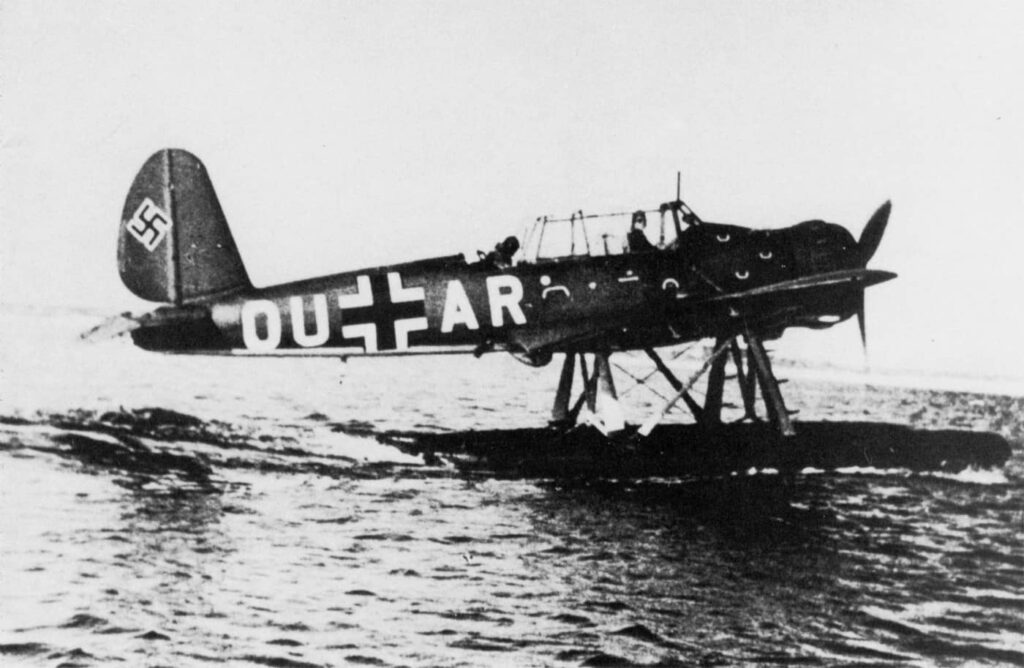
A German Arado Ar 196A-2 (OU+AR) seaplane taxiing. Source Wiki
The Luftwaffe’s Secret Unit: Kampfgeschwader 200 (KG 200)
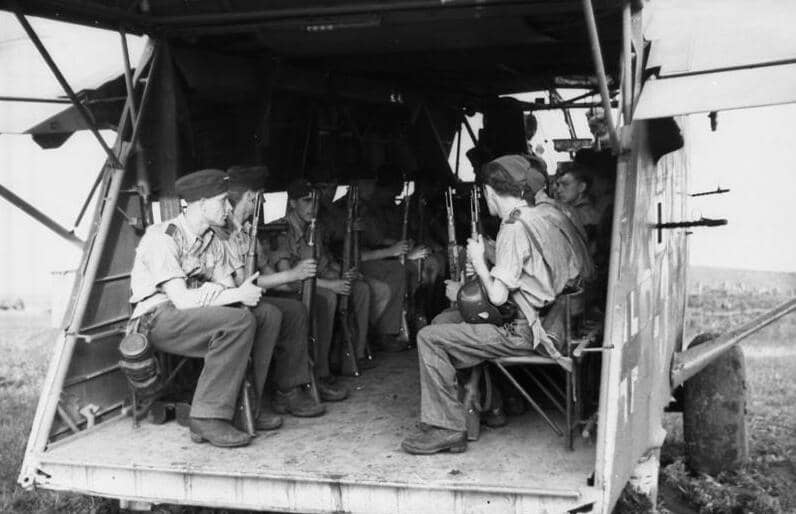
German troops seated in a Go 242, Russia, 1943. The glider is fitted with defensive machine guns. Source Wiki
The Luftwaffe’s Secret Unit: Kampfgeschwader 200 (KG 200)
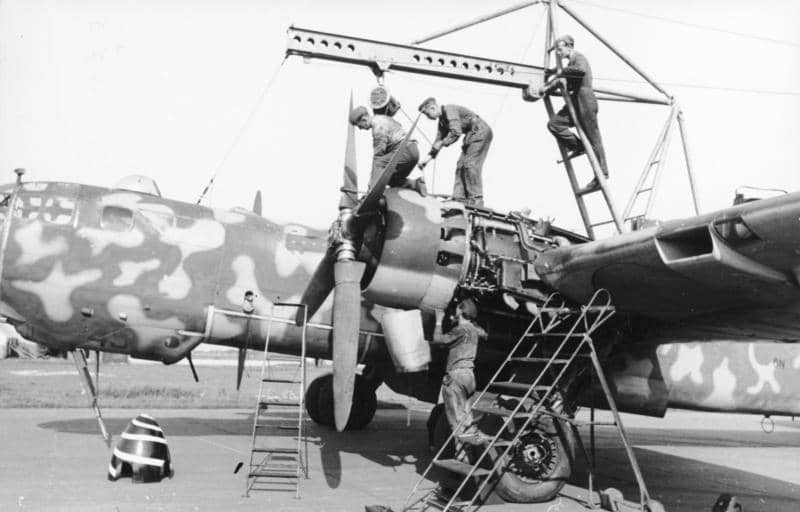
An He 177 undergoing engine maintenance or overhaul - note the second cylinder's exposed exhaust stub being even with the leading edge, an indication of the rearwards location of the "power systems". Source Wiki

Tracking the Royal Navy

KG 200 was officially established in February 1944, but had its origins in earlier specialised areas of Luftwaffe activity, such as the aerial reconnaissance capability developed under Oberst Theodore Rowehl that gave the Germans a considerable advantage at the start of the war, notably by producing reliable intelligence on the movement of Royal Navy warships from their bases. The idea was to have one unit capable of mounting all flying tasks designated as ‘special,’ rather than trying to rely on aircrews selected from normal transport, bomber or reconnaissance units. This would simplify training, and by this stage of the war, was envisaged as being a more effective way of handling the Luftwaffe’s diminishing resources. Eventually, it comprised 1 Gruppe or Group which had three Staffel, each equivalent to a squadron, plus the necessary logistical and technical support.

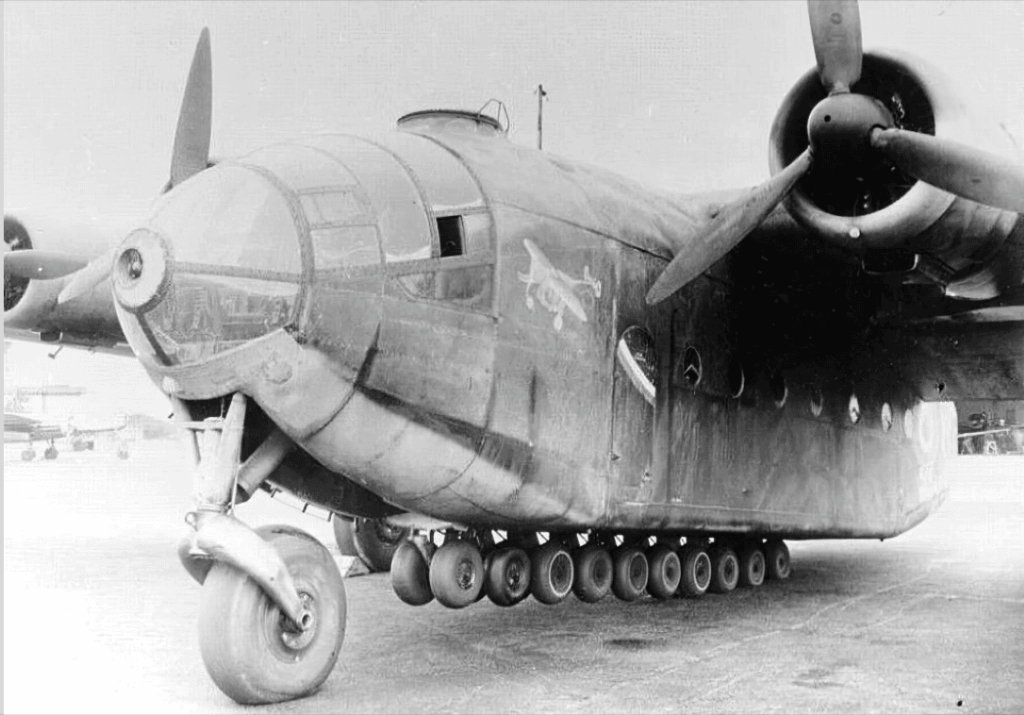
However, as indicated, a characteristic that made it different from other Luftwaffe units, was the variety of aircraft types that it operated, owing to the diversity of missions required. This included Arado Ar 96 trainers; Ar 196A reconnaissance floatplanes, and various transport aircraft, including the unusual looking Ar 232A, which had a pod and boom fuselage and hydraulically-operated rear door, plus 11 pairs of small wheels employed to support it during unloading and loading operations, which led it to being dubbed Tausendfṻssler (millipede). There was also the Ar 232B with four instead of two engines, nicknamed Tatzelwurm after a legendary dragon like Alpine creature. With their rear door arrangement, these were advanced designs for the time, and foreshadowed features found on many post-war transport aircraft. Cargo gliders, including the Gotha Go 242 were also employed, along with bomber aircraft, such as the Dornier Do 217, Heinkel He 111 and He 177A Grief long-range bomber.

The aircraft equivalent of a sports car

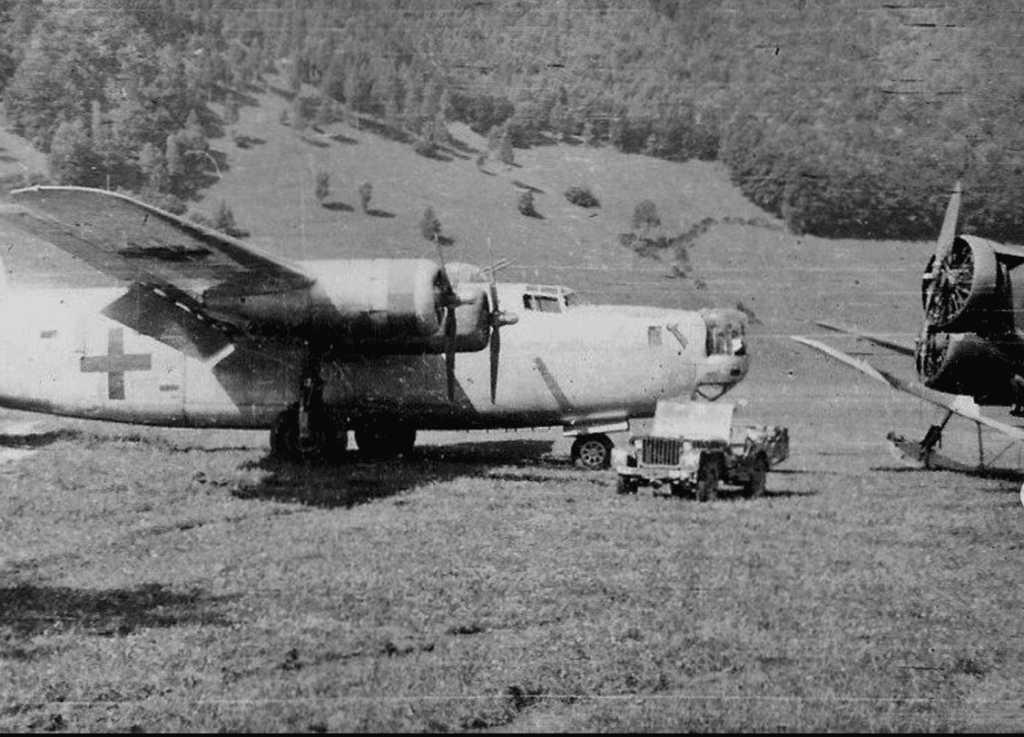
At the other end of the spectrum, a variety of light aircraft and liaison/communication/trainer types were flown, notably the Fieseler Fi 156 Storch STOL (Short Take Off and Landing), Messerschmitt Bf 108 Taifun, and Siebel Si 204. There were also high-performance bombers, such as the Junkers Ju 88 and Ju 188, plus the legendary Ju 87 Stuka dive bomber/close support aircraft. Stahl, who experienced the Ju 188, recalled the sheer joy of flying low-level sweeps as familiarisation and training exercises over the German countryside, in what he considered was the aircraft equivalent to a sports car, with its two powerful Jumo 231A-1 engines. Yet, he warned that in it the Luftwaffe, ‘had an aircraft that differed in so many technical details and its flying performance from all other comparable machines, that its safe and successful operational use depended completely on how familiar the pilot and his crew were with it.’ Clearly there was also the formation’s deployment of foreign and captured aircraft. This included various French and Italian aircraft, and a limited number of B-17s and Consolidated B-24 Liberators, that have helped generated a mythology surrounding KG 200. For example, B-24H-5-DT, 41-28641 of the 732nd Bomb Squadron, 453rd Bomb Group, was captured in France during February 1944, when it landed with a badly wounded crew member. Pressed into service as a transport by KG 200, it was given the code A3+KB, and completed at least one flight to Rhodes-Gadurra, while that was still in German hands, before eventually being re-captured at Salzburg, Austria, in May 1945.

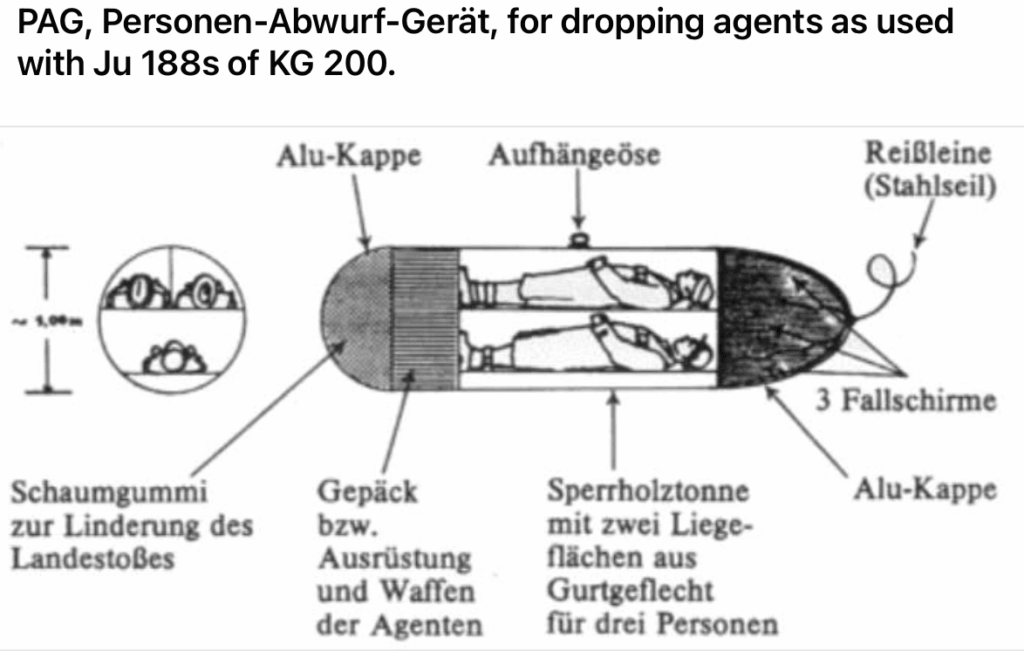
Another feature was the wide variety of missions attempted, albeit some were more successful than others. Known as Olga operations, these entailed the insertion of agents into enemy territory either via parachute or an ingenious if potentially lethal device, called a Personen-Abwurf-Gerät or Personnel Drop Device (PAG). Essentially, a PAG was a plywood container that could carry three persons in two tiers lying in a prone position, strapped down by a harness, with two people on the upper tier and one on the lower. It had three parachutes under a streamlined metal cover, and on release from an aircraft (often a Ju 188), a rip cord would activate all three parachutes. A lack of sufficient large transport aircraft late in the war, ensured that such a measure was necessary, but it lessened the risks potentially caused by individual parachute jumps, and ensured that the ‘human cargo’ was landed together, and hopefully from a German perspective in the correct place, something that relied on skilled navigation by KG 200 aircrew. However, the down side was that PAGs were difficult to conceal once landed, and it must have taken strong nerves to actually be dropped inside one. There were cases where the occupants died from or suffered injury owing to exposure, such as when an aircraft had to gain altitude to avoid detection or anti-aircraft fire etc.   

The Luftwaffe’s Secret Unit: Kampfgeschwader 200 (KG 200)
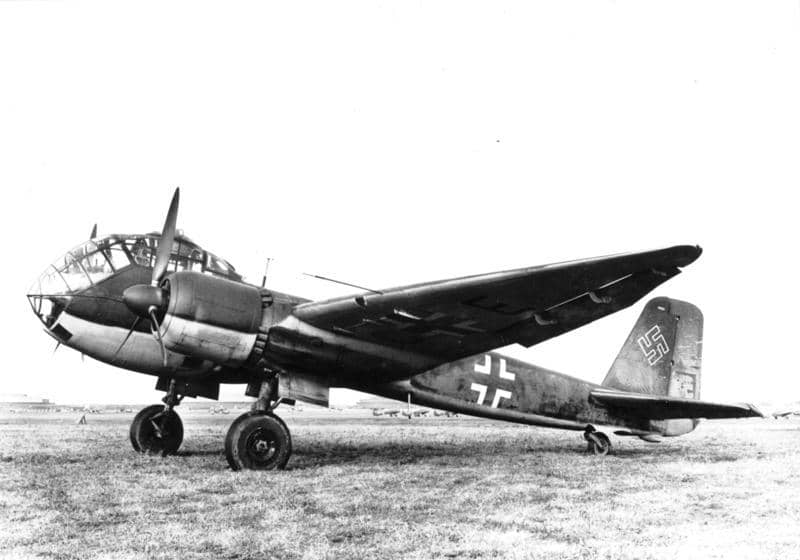
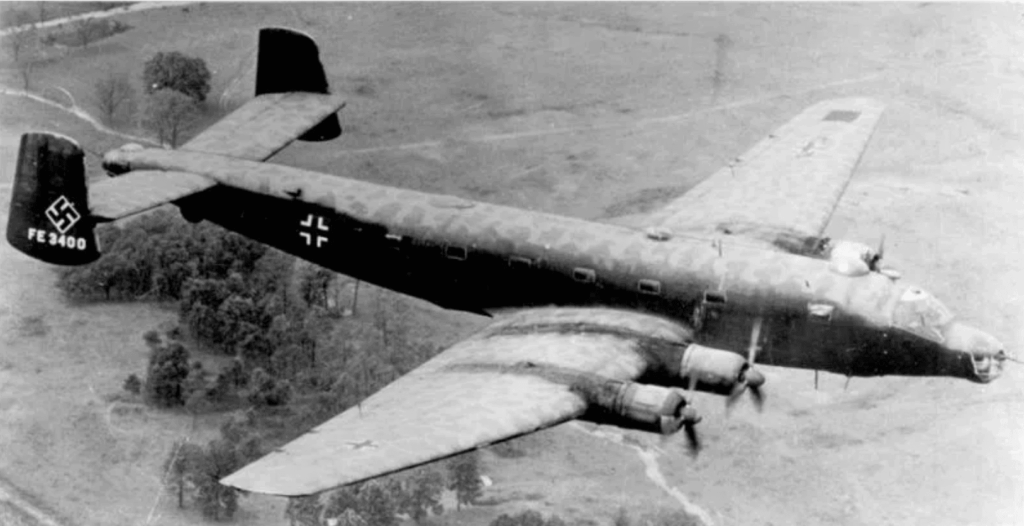
Junkers Ju 188 E-1, Kampfflugzeug Werkfoto Junkers (MBB) 188/6. Source Wiki
The Luftwaffe’s Secret Unit: Kampfgeschwader 200 (KG 200)
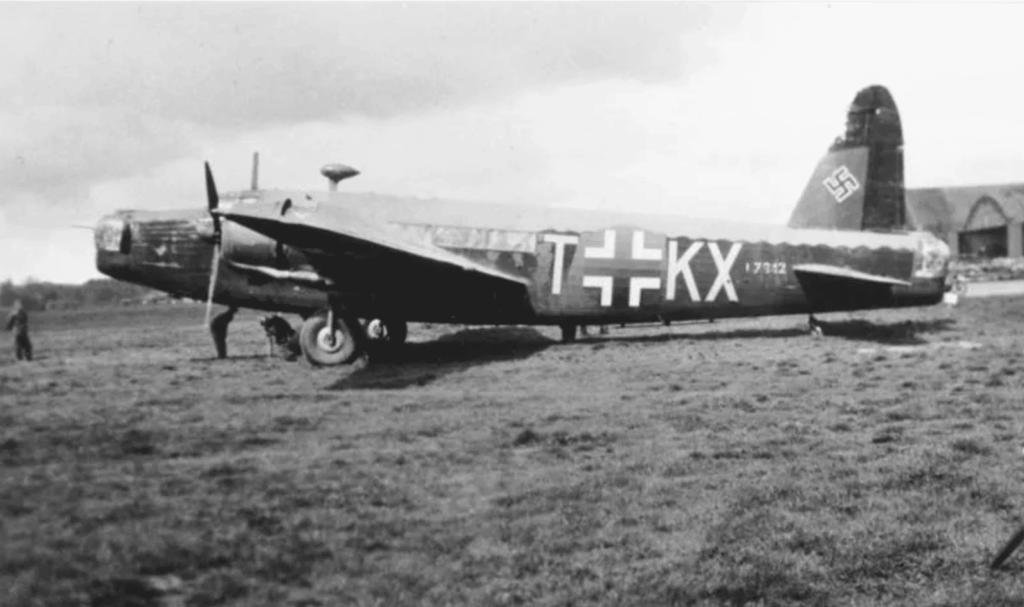
A captured Vickers Wellington Mk.IC (RAF serial L7842) in service with the German Luftwaffe, probably at the test center at Rechlin, circa 1941. Source UKDefenseforum.net
The Luftwaffe’s Secret Unit: Kampfgeschwader 200 (KG 200)
KG 200 Liberator
The Luftwaffe’s Secret Unit: Kampfgeschwader 200 (KG 200)
PAG, Personen-Abwurf-Gerät. Source Wiki

An attempt to assassinate Stalin

An incredible sounding venture, involving KG 200, was an attempt to assassinate Stalin in late 1944. Under the Zeppelin programme, the Abwher (German military intelligence) had been recruiting ex-Soviet POWs, usually from ethnic minorities in the Soviet Union, and turning them to work for the Nazis by mounting acts of sabotage and subversion within Soviet/Russian territory. One was a junior officer, known by the Germans as Polikov, who with his wife as his radio operator, were to be landed by an Ar 232A from KG 200 deep within Soviet territory. Then in a captured Soviet motorcycle and side car they were to drive to Moscow, where on the 25th anniversary of the October Revolution, they would blow up Stalin with a radio-activated bomb hidden in a document case. Unfortunately, for them, an eagle-eyed sentry at a check point spotted that the both the motorcycle combination and their uniforms were suspiciously dry and clean, given recent rainy and muddy conditions, and raised the alarm, so the operation failed. The saga of the Scherhorn Pocket during late summer 1944, was another daring venture on the Eastern Front, that ultimately was doomed. The Germans believed that an infantry battalion (around 2,000 men) commanded by Oberst Heinrich Scherhorn, was forming an isolated and ‘wandering pocket,’ desperately seeking to reach German lines, and KG 200 were ordered to mount a series of air drops to support these beleaguered troops. However, Scherhorn and his officers, had already been captured by the Soviets, and in a masterful example of deception employed by them to convince the Luftwaffe to expend considerable resources on what was a fruitless exercise. KG 200 also operated in the Mediterranean, Middle East and Africa. For example, in November 1944, a Junkers Ju 290 transport aircraft, piloted by Hauptman Heinz Braun, dropped five Iraqis, along with two tonnes of supplies near Mosul, where anti-British activity was being encouraged by Mohammed Amin Al Hussein, the Grand Mufti of Jerusalem, backed by Palestinian Arabs.           

As the war turned against Germany, a particularly desperate measure, involving KG 200, was the proposed use of selbstopfermänner or self-sacrifice men, who volunteered to mount suicide operations flying glide bombs into enemy targets. The scheme had the backing of the leading Nazi aviator, Hanna Reitsch, but was ultimately halted by Hitler, seemingly on the grounds that he considered such a measure was un-Germanic and that German military personnel should have a chance of survival on operations. One senses a palpable sense of relief on Baumbach’s part at this decision, and presumably many others may have agreed with him, even if they kept their opinion private.

The Luftwaffe’s Secret Unit: Kampfgeschwader 200 (KG 200)
The Arado Ar 232A was a remarkably unconventional German transport aircraft developed to operate where ordinary transports struggled. Designed as a replacement for the Ju 52, it featured a large, box-like fuselage, a high-mounted tail, twin engines and, most famously a “millipede” undercarriage with a row of small wheels beneath the fuselage. This allowed it to taxi and land on rough, muddy or poorly prepared surfaces. Source Wiki
The Luftwaffe’s Secret Unit: Kampfgeschwader 200 (KG 200)
Ju 290 A-4, s/n 0165, PI+PS, was the prototype for the, renumbered "A3+HB", of KG 200. It had been equipped with attachments for FX 1400, Hs 293, and Hs 294 missiles, and fitted with FuG 203e radar, and was surrendered to the USA. Renamed "Alles Kaputt". Source Wiki
Hanna Reitsch. Source Wiki

The plan to attack Scapa Flow

The Luftwaffe’s Secret Unit: Kampfgeschwader 200 (KG 200)
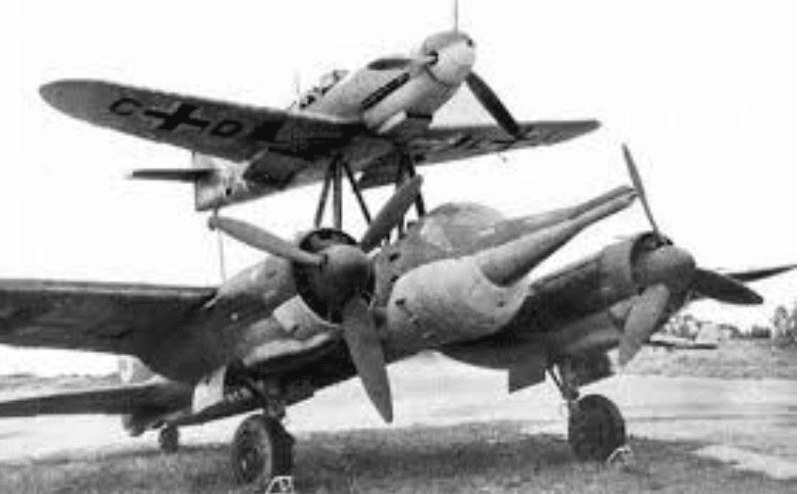
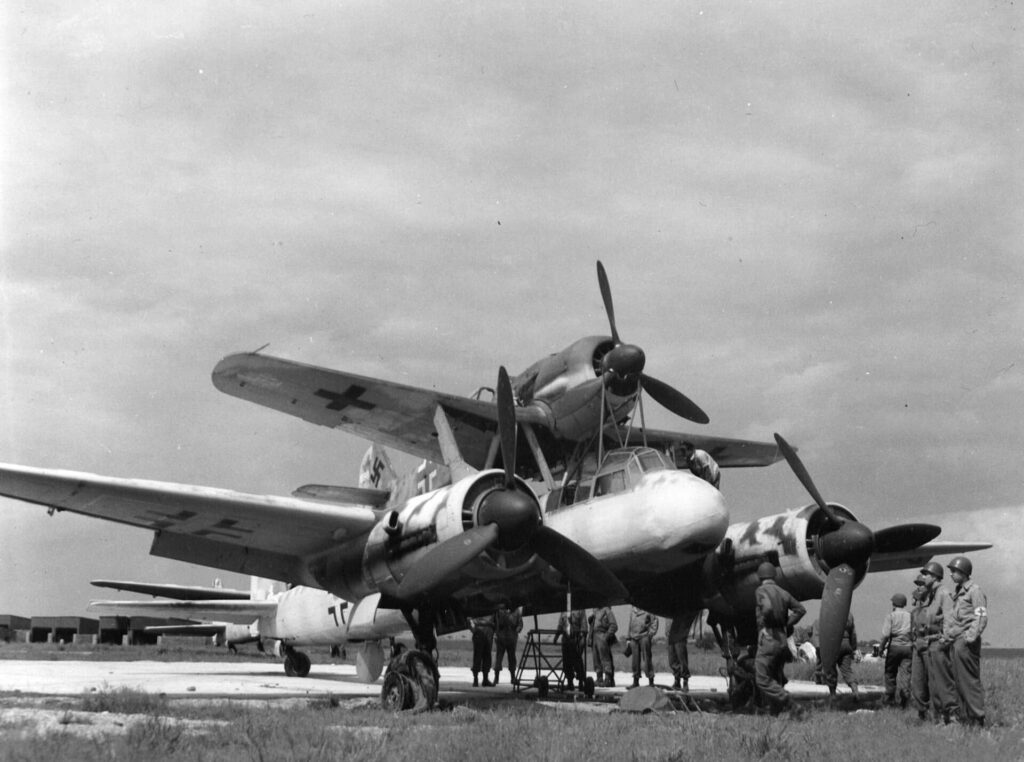
Ju 88 and Bf 109 combined to form a model 3B Mistel.
The Luftwaffe’s Secret Unit: Kampfgeschwader 200 (KG 200)
A captured example of a Mistel trainer. United States Army personnel examined the aircraft. Source Wiki

Several versions of Mistel aircraft existed, but typically married an old Ju 88 airframe with a FW 190 fighter sitting on top, forming an ungainly combination. The idea was that the Ju 88 would be modified to carry a warhead packed with explosives, and flown/guided to a target by the fighter, then on release it would act like a pilotless missile. One plan was to launch these at British warships in Scapa Flow but that was thwarted owing to poor weather, perhaps a blessing for the KG 200 aircrews as they might otherwise have been destroyed by British night-fighters after taking off from bases in Denmark, not least because the Mistels were relatively slow, not being able to fly much above 230 mph. Another equally daring plan was to hit Soviet/Russian armaments factories (Operation Eisenhammer or Iron Hammer) with around 100 of these strange pick-a-back aircraft, but that again that was scotched owing to poor weather, fuel shortages, and because the bases that were to be used to launch the operation had already fallen into enemy hands. However, a number of bridges were attacked on the Western and Eastern Fronts with varying degrees of success, and sometimes casualties to KG 200 aircrews were heavy. Notably, in his post-war memoir, Stahl, reproduces a combat report for the attack on the Steinau railway bridge on 31 March 1945, which makes for interesting reading, and highlights many of the operational and technical challenges Mistel usage posed, including that it could be difficult for the pilot to gauge whether or not he had hit the target, and all such missions demanded very high standards of airmanship from those involved.       

Was the reality as eye catching as the legends?

KG 200 was an unusual formation to say the least, particularly from a flying perspective, and as can be seen was involved in a host of clandestine activities. Additionally, it embraced a collection of Luftwaffe units that provided transport aircraft for the German military and political intelligence services, and as the war progressed it became involved with the testing and/or the operational employment of new weapons. Consequently, in many respects its operational activities were as varied as its equipment, and entailed everything from dropping agents or picking them up from behind enemy lines to bold operations such as that intended to assassinate Stalin. Its personnel were selected for their specialist flying skills or other abilities and were not volunteers or coerced into it. Perhaps the reality was not as eye-catching as the legends that have grown up around it, but KG 200 was nonetheless remarkable. Hopefully, this short article has provided a flavour of what it was involved with. More details on its various operations, and the range of aircraft it employed, can be found in the reading list below.       

Further Reading

Werner Baumbach, Broken Swastika: The Defeat of the Luftwaffe (London: Robert Hale Ltd, 1960)

David Mondey, Axis Aircraft of World War II (London: Chancellor Press, 1996)

P.W. Stahl, KG 200: The True Story (London: Jane’s, 1981)

Geoffrey J. Thomas & Barry Ketley, Luftwaffe KG 200: The German Air Force’s Most Secret Unit of World War II(Mechanicsburg, PA: Stackpole Books, 2015)


(James H. R. Goulty 5/11/26)

About The Author

James Goulty holds a masters degree and doctorate in military history from the University of Leeds, and has a particular interest in the training and combat experience of ordinary soldiers during the world wars and Korean War.

He has published numerous articles and written 5 books for Pen and Sword Ltd, including The Second World War through Soldiers’ Eyes: British Army Life 1939-1945; and Eyewitness Korea: The Experience of British and American Soldiers in the Korean War 1950-1953.

Click to see full BMMHS event listing pages.

Contact us at [email protected]

Copyright © 2022 bmmhs.org – All Rights Reserved

Images © James Goulty