New Zoom Talk for 2026 – LRDG

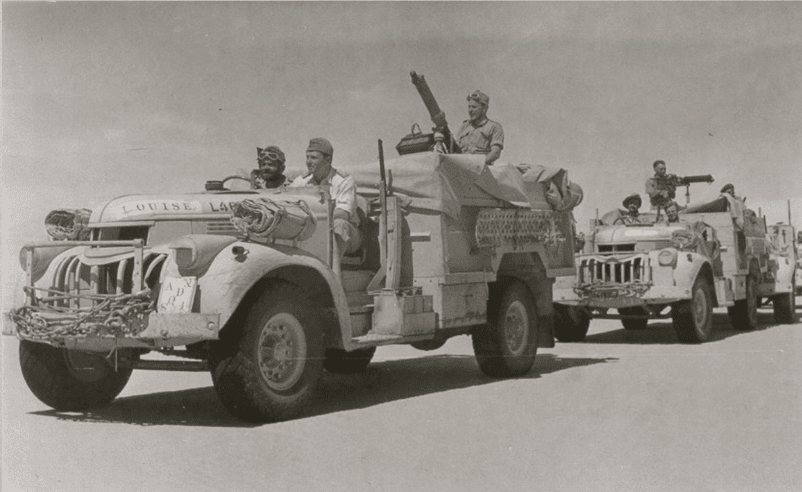
LRDG Pirates of the Desert will focus on the units formation, its key personal and some of the units operations in the Western Desert. Jerry will also cover the LRDG’s role of a taxi service for the SAS.

BMMHS Zoom talk Booked for December 2026

LRDG Pirates of the Desert
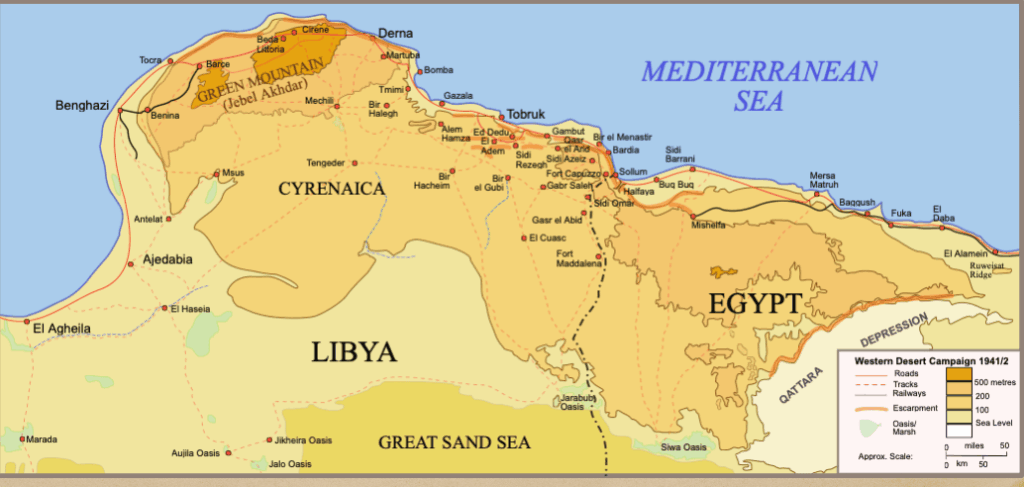
Western Desert Area of Operations. Source Wiki
LRDG Pirates of the Desert
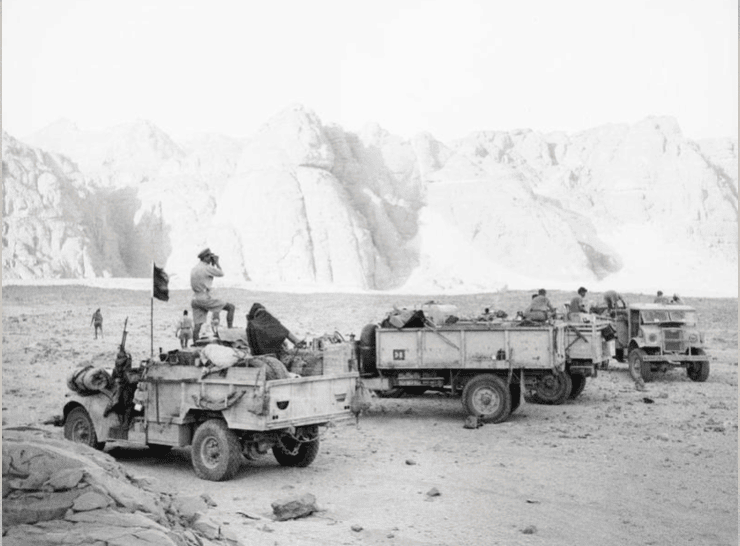
LRDG/SAS in trucks halted at the rock outcrop of Gilf Kebir during Operation Agreement. Source Wiki
LRDG Pirates of the Desert
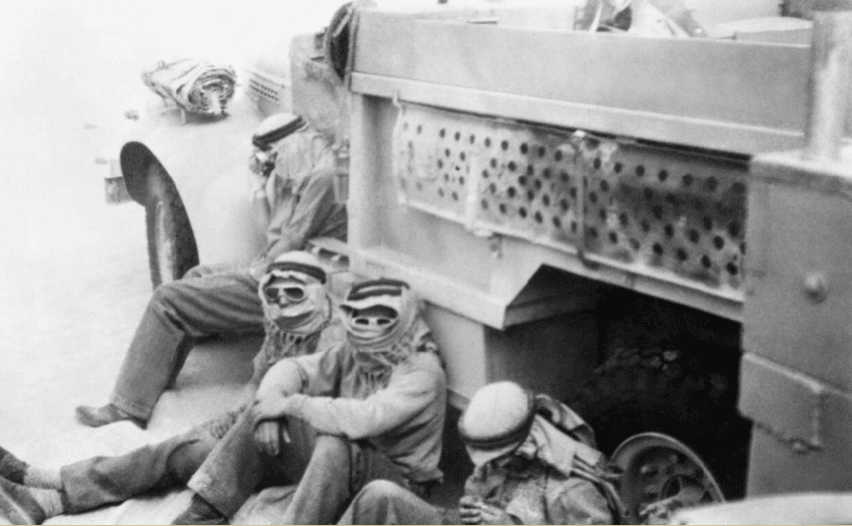
A Long Range Desert Group crew shelter in the lee of their Chevrolet truck during a sandstorm. They were part of a patrol travelling from Cairo to Siwa. IWM HU 24964

New Zoom Talk Booked for 2027 – Air War Korea

We welcome back historian James Goulty, to give another talk on the Korean War. in this talk James will focus on the air war in that conflict including operations by the USAF, Commonwealth and Fleet Air Arm.

BMMHS Zoom talk Booked for October 2027

Air War Korea James Goulty
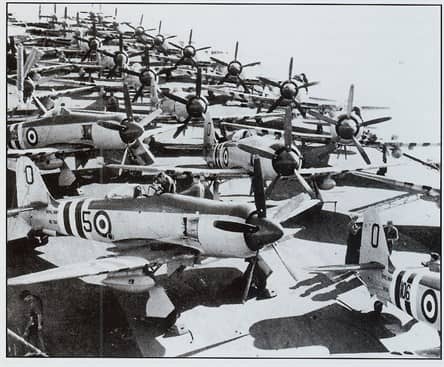
Sea Furies and Fireflies on the deck of HMS Ocean. Source IWM/RBL
Air War Korea James Goulty
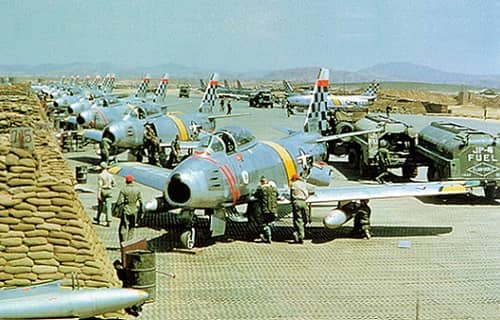
F-86 Sabres with their 51st Fighter Interceptor Wing ‘Checkertails’ are readied for combat during the Korean War at Suwon Air Base, South Korea (United States Air Force 1950-1953).
Air War Korea James Goulty
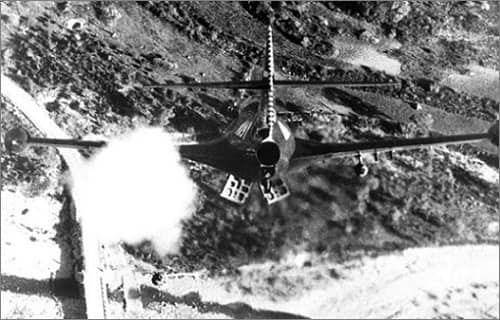
Lt. R. P. Yeatman, from the USS Bon Homme Richard, is shown rocketing and bombing Korean bridge. November 1952 (United States Navy 1952).

The Origins of the Schlieffen Plan – Additional Reading

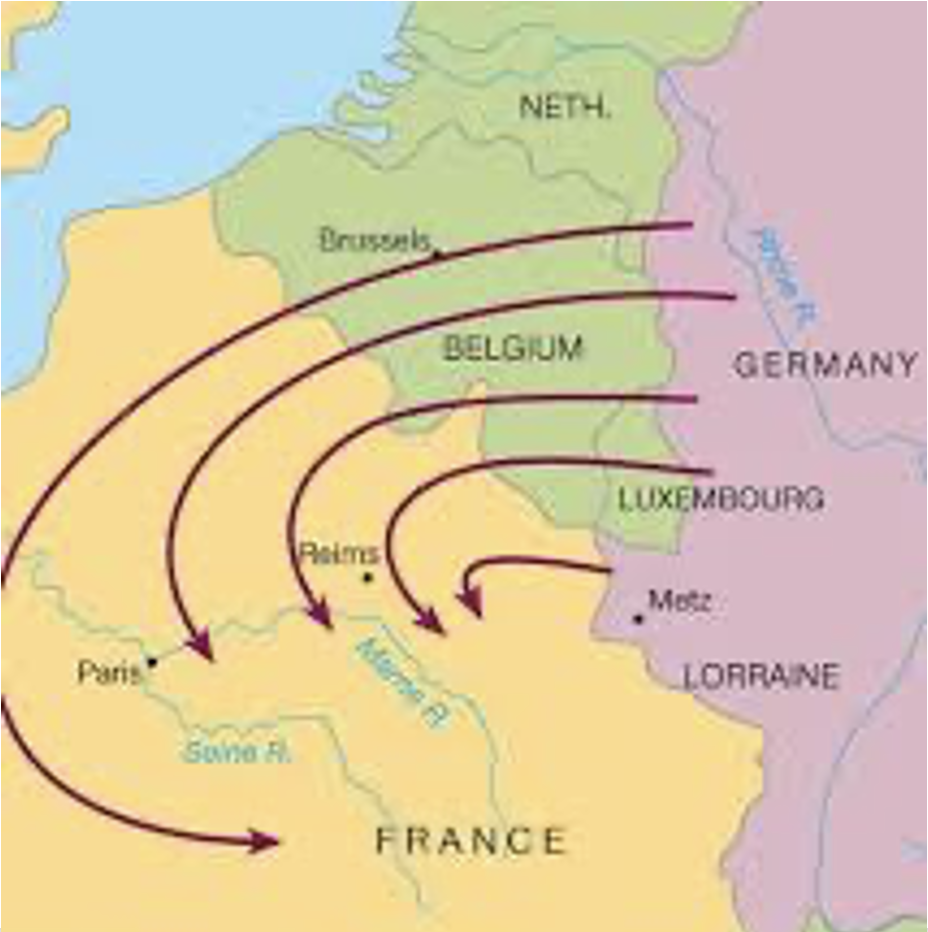
The Schlieffen Plan was a German military strategy for attacking France and Russia in World War I. The plan was developed by Field Marshal Alfred von Schlieffen and put into action in 1914 by his successor, Helmuth von Moltke. Following Ross’ excellent talk – attached is his additional reading list.

Additional Reading Material Following Ross' Zoom Talk

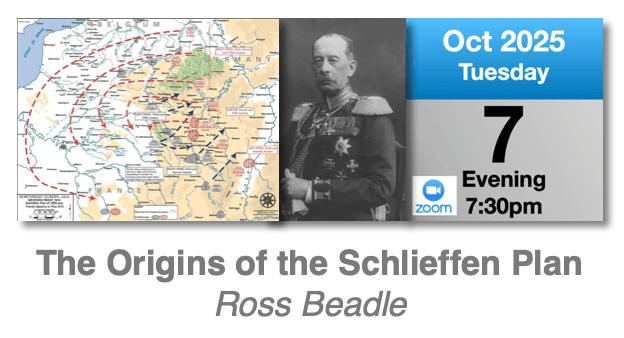
The Origins of the Schlieffen Plan

German War Planning up to July 1914

By Ross Beadle

The Schlieffen Plan is a name given after the First World War to German war plans, due to the influence of Field Marshal Alfred von Schlieffen and his thinking on an invasion of France and Belgium, which began on 4 August 1914. Schlieffen was Chief of the General Staff of the German Army from 1891 to 1906. In 1905 and 1906, Schlieffen devised an army deployment plan for a decisive (war-winning) offensive against the French Third Republic. German forces were to invade France through the Netherlands and Belgium rather than across the common border.
Schlieffen Plan: German War Planning

Books & articles on the origins of Schlieffen and Moltke’s strategic plans

To see the reading list from Ross’ Zoom talk click here

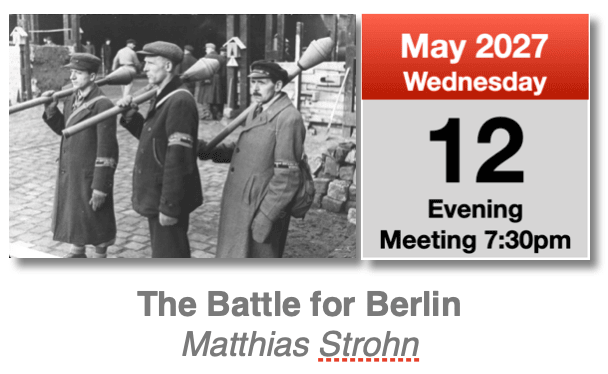
New Village Hall Talk Booked for 2027 – Battle for Berlin

The Battle of Berlin (April–May 1945) was the final major offensive in the European theater of World War II. Soviet forces, commanded by Marshals Zhukov and Konev, encircled the German capital with overwhelming manpower and firepower. Fierce urban combat ensued as Nazi defenders, including regular troops, SS units, and civilian militias, resisted desperately. Adolf Hitler remained in his underground Führerbunker, issuing futile orders before committing suicide on April 30. By May 2, Berlin surrendered, and shortly after, Germany capitulated unconditionally. The battle caused massive destruction, high civilian casualties, and marked the collapse of the Third Reich, ending the war in Europe.

BMMHS Village Hall Meeting Booked for May 2027

Battle of Berlin Matthias Strohn
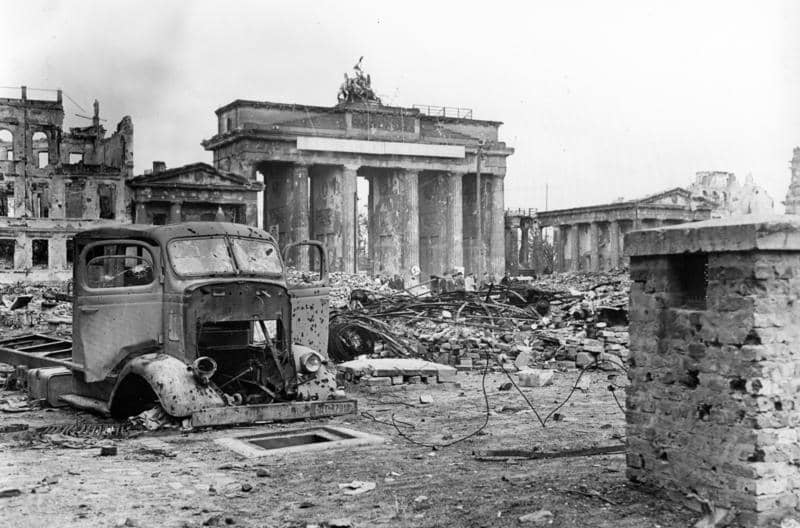
The Brandenburg Gate amid the ruins of Berlin, June 1945
About the speaker – Matthias Strohn
 
Matthias Strohn, MSt (Oxon), DPhil (Oxon), FRHistS, is Head of Historical Analysis at the Centre for Historical Analysis and Conflict Research, the British Army’s strategic think tank, Visiting Professor of Military Studies at the University of Buckingham, and a member of the academic faculty at the Royal Military Academy Sandhurst. Matthias was educated at the universities of Münster (Germany) and Oxford. He holds a commission in the German Army and is a member of the military attaché reserve, having served on the defense attaché staffs in London, Paris and Madrid. Prior to this, he served as Military History Instructor at the German Staff College in Hamburg. He deployed to Iraq (with the British Army) and Afghanistan (with both the British Army and the German Bundeswehr). Matthias has published widely on 20th century German and European military history; he has authored and edited 14 books and numerous articles.

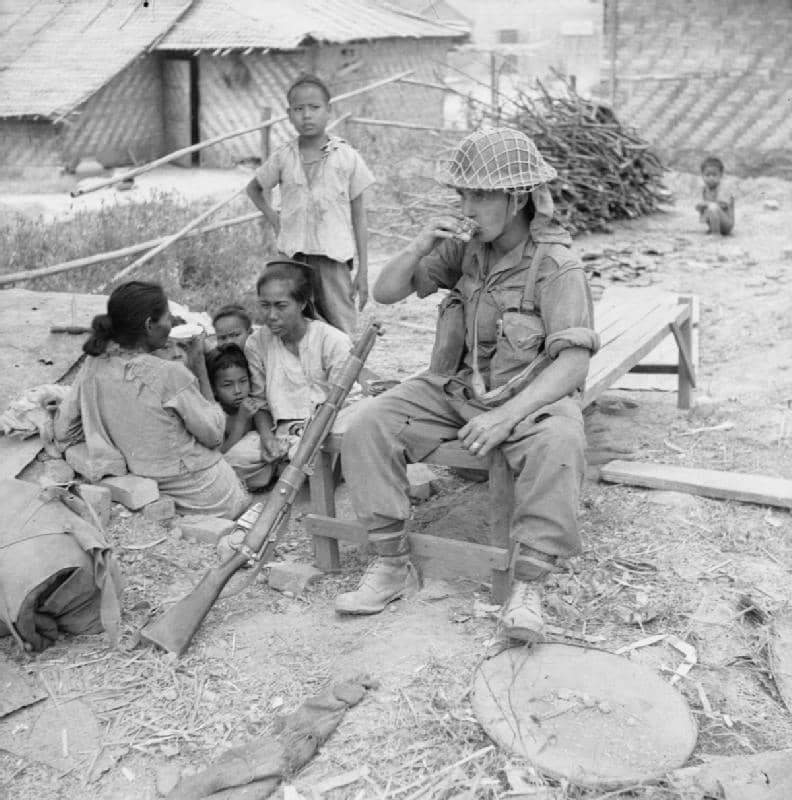
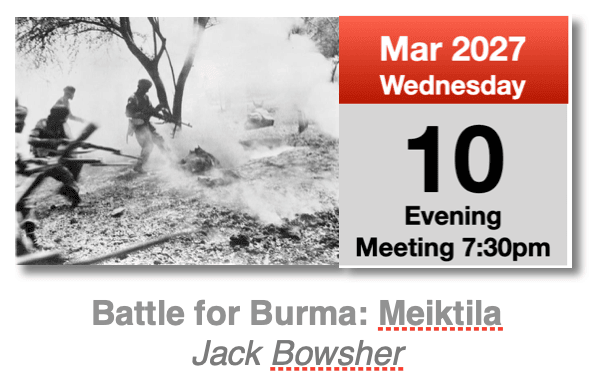
New Village Hall Talk Booked for 2027 – Battle for Burma Meiktila

In early 1945, Lieutenant-General William Slim executed a daring diversion: British–Indian forces feigned an advance on Mandalay while sending the motorised 17th Indian Division toward Meiktila, a vital Japanese supply and communication hub. On 28 February, the division attacked from multiple directions with artillery and air support. Meiktila fell within four days, depriving Japanese forces of a critical base. The town’s airfields became indispensable for aerial resupply and reinforcements. Despite fierce Japanese attempts to retake it, the garrison held firm—thanks to tenacious defense by RAF Regiment units and air support—marking a pivotal turning point in the reconquest of Burma.

BMMHS Village Hall Meeting Booked for March 2027

Battle for Burma Meiktila

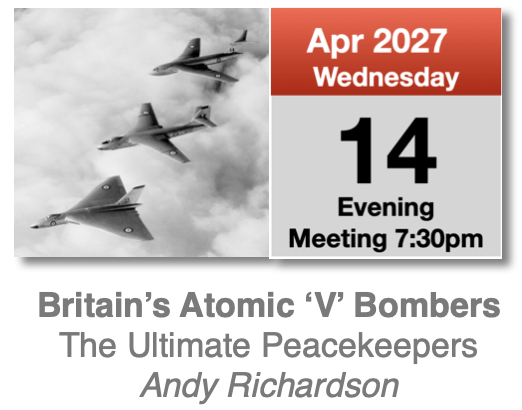
New Village Hall Talk Booked for 2027 – Britains Atomic V Bombers

The Royal Air Force’s V Bombers were Britain’s strategic nuclear deterrent during the Cold War, consisting of three aircraft: the Vickers Valiant, Handley Page Victor, and Avro Vulcan. Entering service in the 1950s, they provided high-altitude, long-range nuclear strike capability, ensuring the UK’s independent nuclear deterrence. The Valiant served first but was retired early due to structural fatigue, while the Victor and Vulcan adapted for low-level penetration as Soviet defenses improved. They later saw roles in conventional bombing and refueling, notably during the Falklands War. The V Bombers were gradually replaced by Polaris submarines, ending their nuclear mission by 1969.

BMMHS Village Hall Meeting Booked for April 2027

Britain's Atomic V Bombers Andy Richardson

New Zoom Talk Booked for 2027 – Second World War Internment in the UK and USA

In this talk, Rachel Pistol will share insights from her book, Internment During the Second World War: A Comparative Study of Great Britain and the USA. She will explore how wartime fears led to the internment of civilians, many of them refugees in Britain and people of Japanese ancestry in the United States.

BMMHS Zoom talk Booked for February 2027

Second World War Internment in the Uk and USA Rachel Pistol
In this talk, Rachel will share insights from her book, Internment During the Second World War: A Comparative Study of Great Britain and the USA. She will explore how wartime fears led to the internment of civilians, many of them refugees in Britain and people of Japanese ancestry in the United States.

New Zoom Talk Booked for 2027 – The Battles for Narvik 1940

The Battles of Narvik unfolded between 9 April and 8 June 1940 during World War Two’s Norwegian Campaign. Germany swiftly captured Narvik using ten destroyers and mountain troops to secure its valuable ice-free iron-ore port. The Allies struck back with two naval engagements: on 10 April, five British destroyers launched a surprise dawn attack, sinking German destroyers but suffering losses themselves and claiming the first Victoria Cross of the war. Three days later, a larger British force including the battleship HMS Warspite destroyed the remaining German ships. A multinational Allied land force then recaptured Narvik by 28 May, marking Hitler’s first strategic defeat, though the campaign ended with Allied evacuation in early June.

BMMHS Zoom talk Booked for March 2027

The Battles for Narvik 1940 James Porter
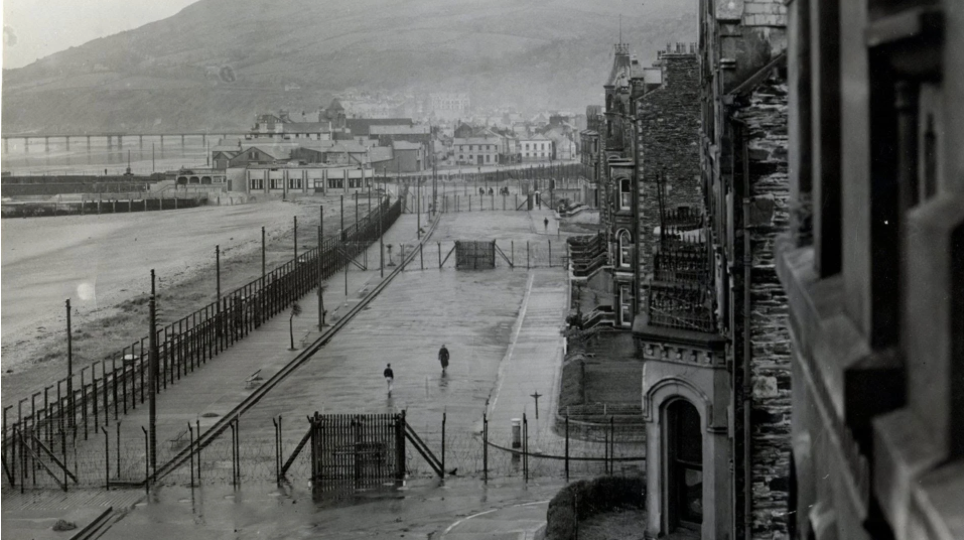
With the last few months of the ‘Phony War’ slipping away, at the end of 1939, Britain, France on the one hand and Germany on the other both became interested in Norway which had been clinging to its neutral status. Both sides prepared an invasion – Germany to ensure iron-ore traffic from Sweden, provide U-Boat bases for the sea war against Britain, and to clear the flanks prior to the planned Blitzkrieg invasion of France. The Allies, for their part, wanted to prevent a German occupation Norway. The German invasion took place first, by a hairsbreadth! Unusually for Germany it was a seaborne invasion, and her various invasion ship groups all managed to avoid the Royal Navy’s blockade. One group of destroyers reached Narvik, landed troops which captured the town, but were then surprised by a small group of British destroyers which attacked Narvik sinking some German ships. The British destroyers were then intercepted by other German destroyers on their withdrawal from Narvik and some of the force were sunk. Before the surviving German destroyers could escape back to Germany, the battleship HMS Warspite plus destroyers sailed up the fjords and systematically annihilated the German destroyers which gallantly fought to the end. In just a few days Germany had lost half her destroyer force.

New Zoom Talk Booked – German Spies in Britain in WWII

Richard’s talk will focus on just a few of them: some failures, some successes — though not for Germany. How Britain’s MI5 ran all Germany’s WW2 spying operations in Britain for Britain’s benefit.

BMMHS Zoom talk Booked for November 2026

German Spies in Britain in World War II

By Richard Philips

German Spies in Britain in World War II
Richard’s talk will focus on just a few of them: some failures, some successes — though not for Germany. How Britain’s MI5 ran all Germany’s WW2 spying operations in Britain for Britain’s benefit.