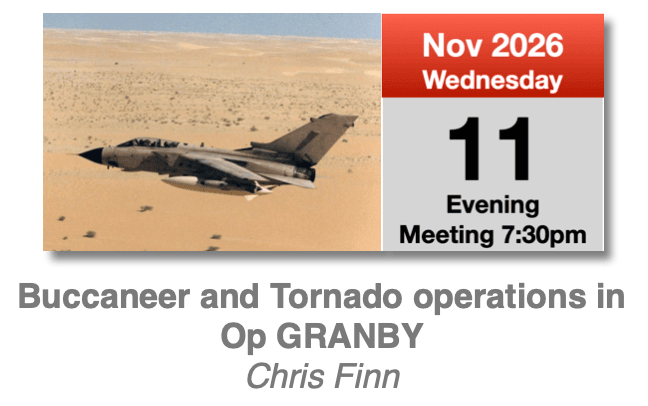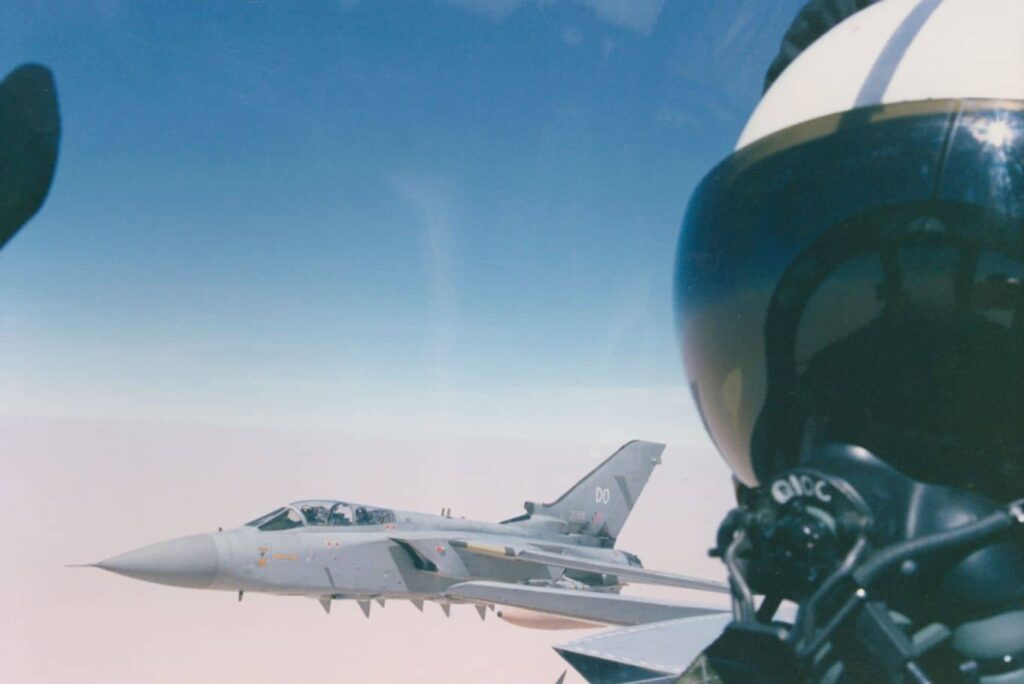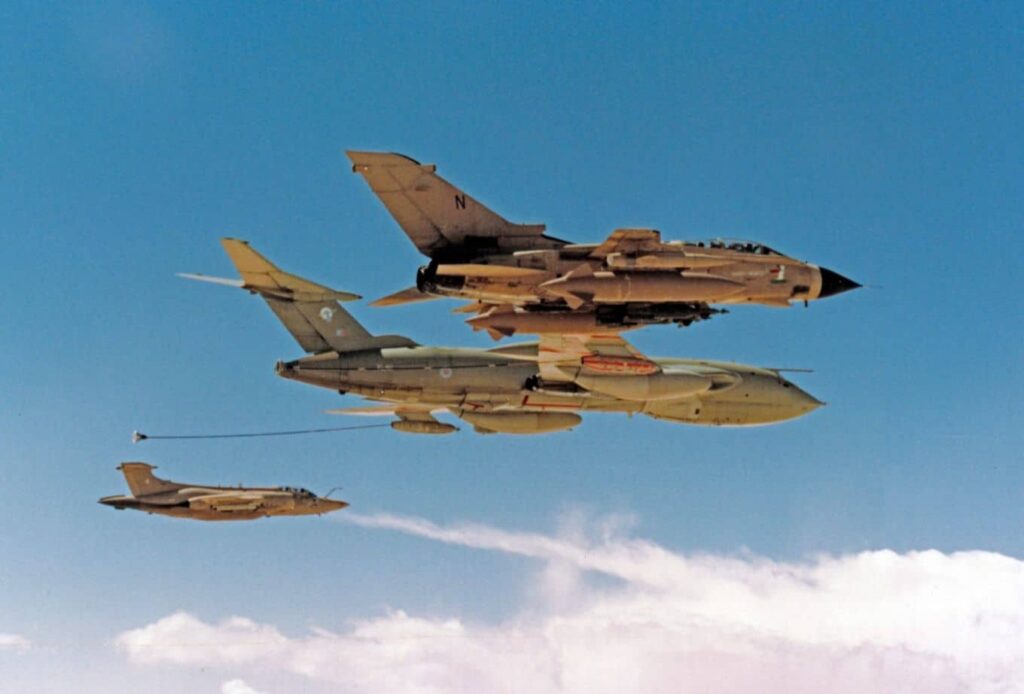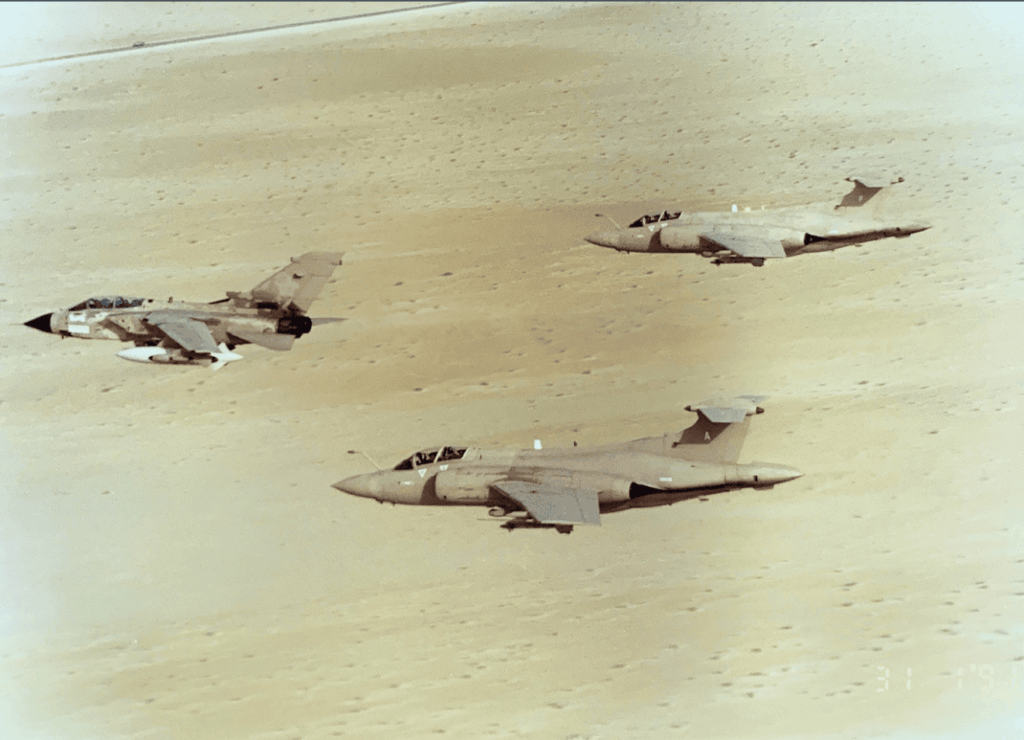
New Village Hall Talk Booked – Buccaneer and Tornado operations in Op GRANBY

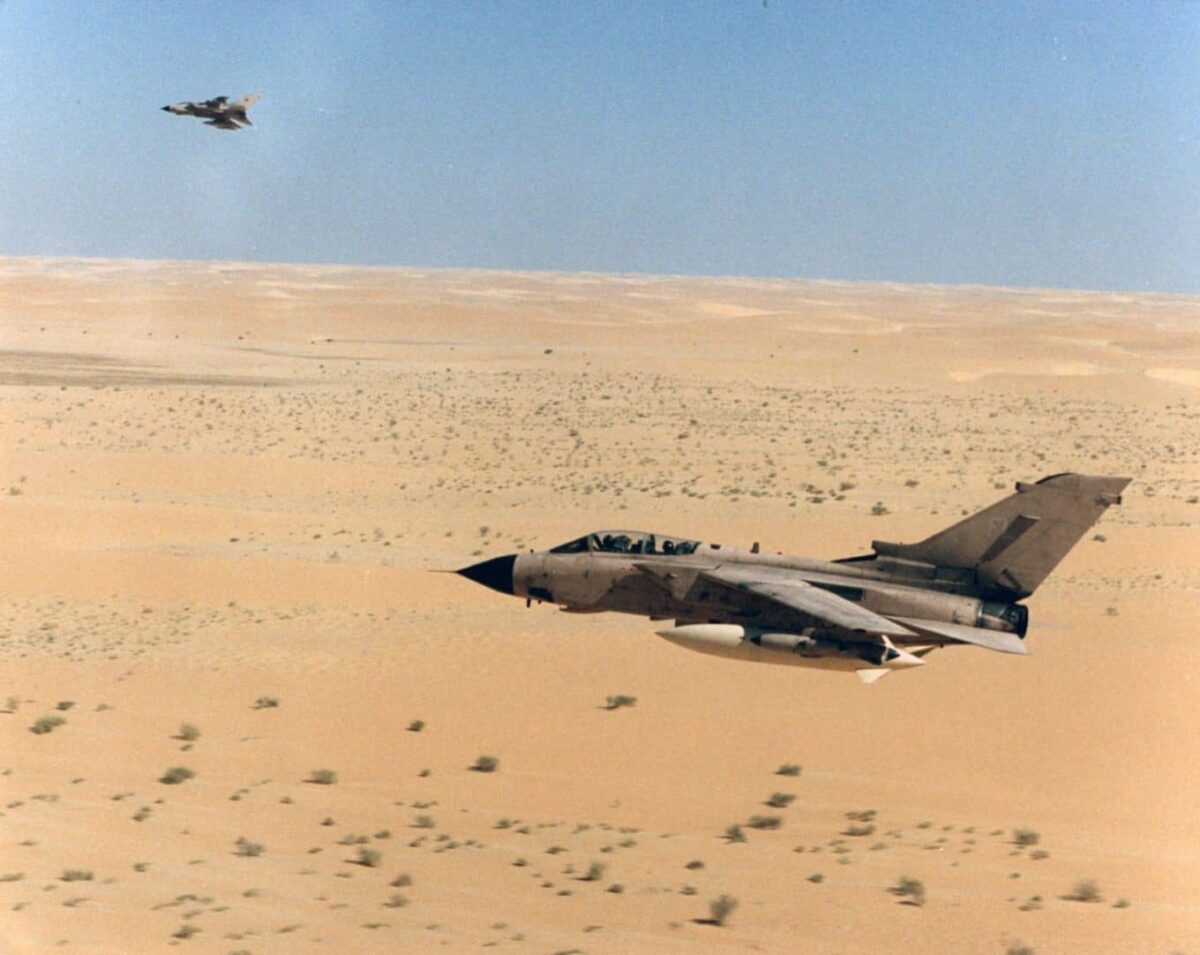
Following on from his excellent talk on “Instant Thunder” – The Operation Desert Storm Air Campaign back in November 2024, Chris Finn has kindly offered to give BMMHS a talk on “Buccaneer and Tornado Operations during Op Granby”. Expect exciting video footage taken during the conflict!

BMMHS Village Hall Meeting for November 2026

Buccaneer and Tornado operations in Op GRANBY

By Chris Finn

Following on from his excellent talk on “Instant Thunder” – The Operation Desert Storm Air Campaign back in November 2024, Chris has kindly offered to give BMMHS a talk on “Buccaneer and Tornado Operations during Op Granby”. Expect exciting video footage taken during the conflict! 
 
 
Christopher Finn joined the RAF in 1972 as a navigator. He flew predominantly the Buccaneer and was an electronic warfare, weapons and tactics specialist.  During Operation GRANBY he was, as a newly promoted Wg Cdr, the UK’s “SO1 Bucc” in the Coalition Air HQ in Riyadh.  His final flying tour was as the Officer Commanding the Navigator and Airman Aircrew School.  A graduate of the Joint Services’ Defence College he gained an MPhil in International Relations at Cambridge University in 1999 and went on to be the Director of Defence Studies (RAF).  From his retirement in 2005 to 2015 he was a Senior Lecturer in Air Power Studies at the RAF College Cranwell.  Chris is an Accredited Battlefield Guide, specialising in airpower and combined operations.  He lectures extensively on RAF and airpower history, but can turn his hand to most military history subjects, and is also a volunteer guide at the  BBMF and with the CWGC.

New Zoom Talk Booked – Arnhem and the Cambridge Spies

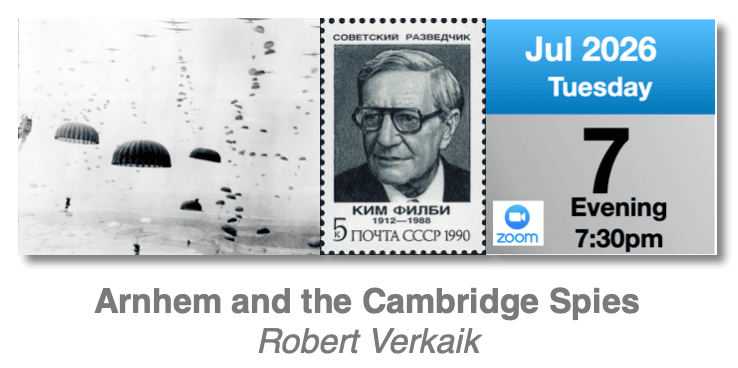
Arnhem and the Cambridge Spies reveals the hidden role of the Cambridge Spies in the Allied defeat during World War II. Robert’s talk tells the story of Operation Market Garden, a bold Allied operation that ultimately failed due to betrayal by spies working for the Russians. The traitors, one a supposed hero of the resistance and the other an English gentleman, caused the catastrophic defeat that led to the deaths of thousands of soldiers. Drawing from newly released archives, the book sheds light on the spies responsible for the failure of the operation and how their actions changed the course of the war and set the stage for the Cold War.

BMMHS Zoom talk Booked for July 2026

Arnhem and the Cambridge Spies

By Robert Verkaik

Arnhem and the Cambridge Spies reveals the hidden role of the Cambridge Spies in the Allied defeat during World War II. Robert’s talk tells the story of Operation Market Garden, a bold Allied operation that ultimately failed due to betrayal by spies working for the Russians. The traitors, one a supposed hero of the resistance and the other an English gentleman, caused the catastrophic defeat that led to the deaths of thousands of soldiers. Drawing from newly released archives, the talk sheds light on the spies responsible for the failure of the operation and how their actions changed the course of the war and set the stage for the Cold War.
Arnhem and the Cambridge Spies
Robert Verkaik
Arnhem and the Cambridge Spies
The 82nd Airborne Division drops near Grave. Source Wiki
Arnhem and the Cambridge Spies
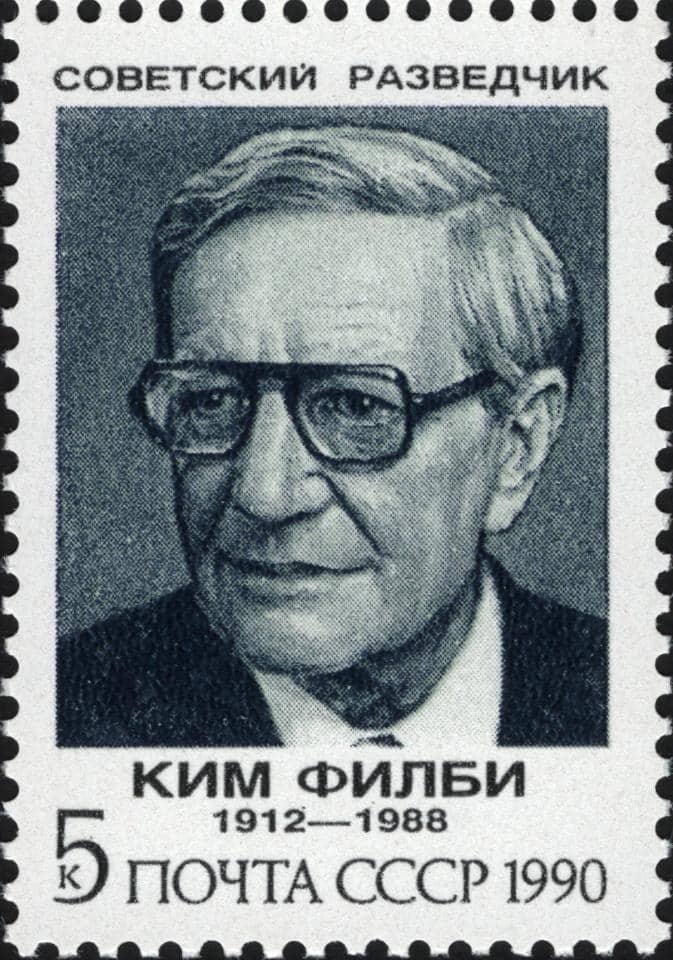
Kim Philby, as depicted on a Soviet Union stamp. Source Wiki
Arnhem and the Cambridge Spies
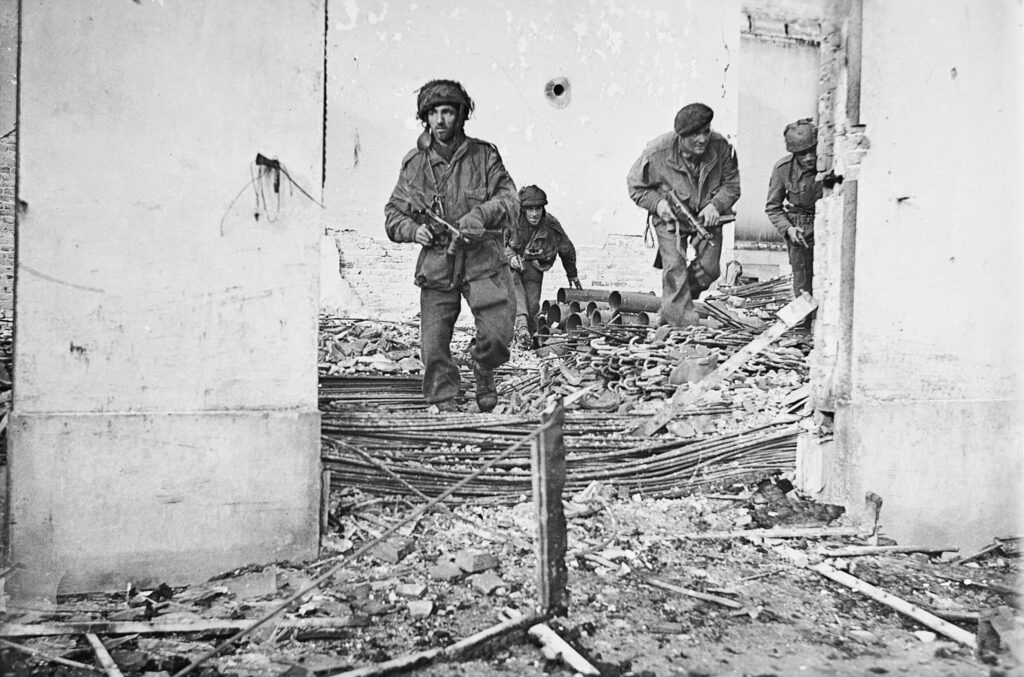
Four British paratroopers moving through a shell-damaged house in Oosterbeek to which they had retreated after being driven out of Arnhem. Source Wiki

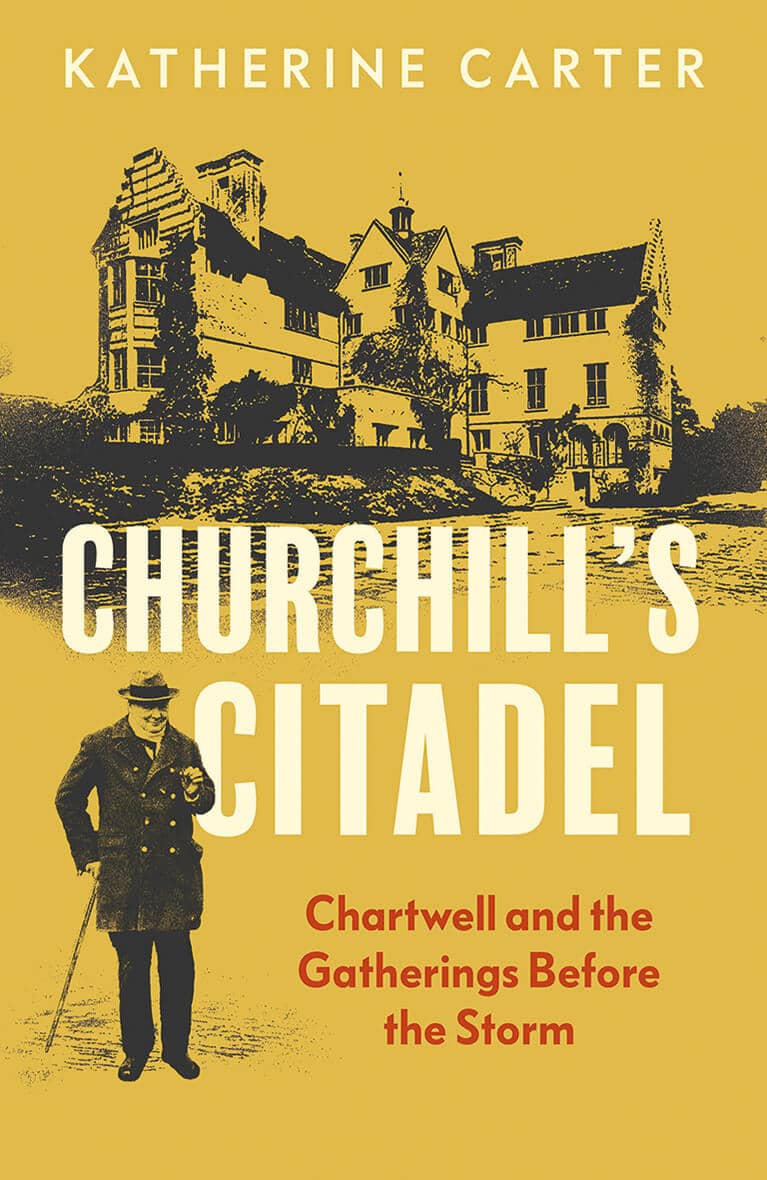
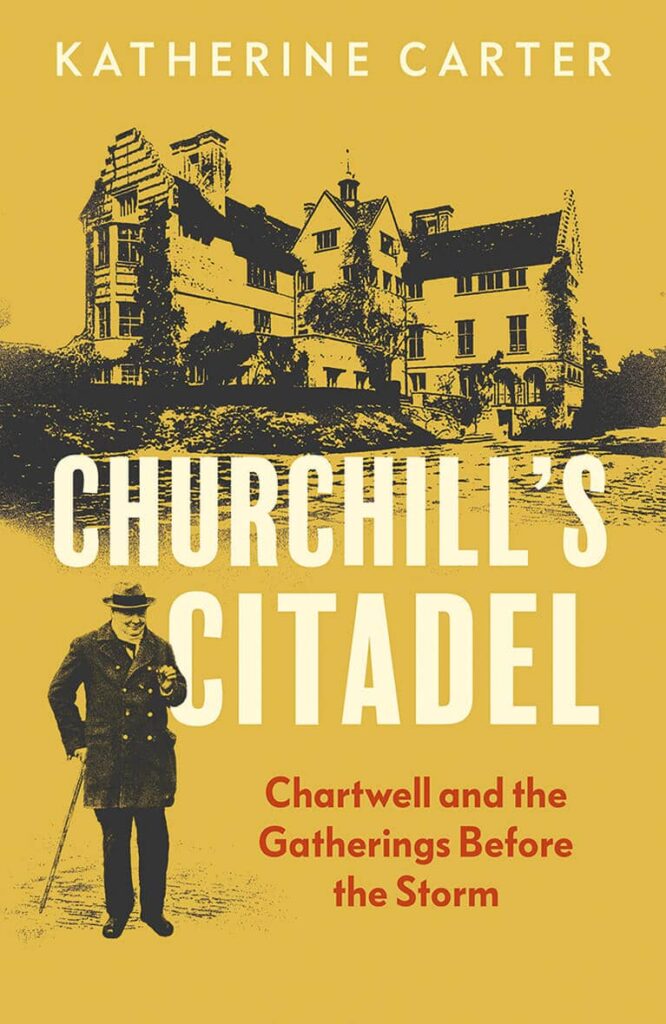
New Village Hall Talk Booked – Churchill’s Citadel: Chartwell and the Gatherings Before the Storm

In the 1930s, amid an impending crisis in Europe, Winston Churchill found himself out of government and with little power. During the time, Chartwell, his country home in Kent, became the headquarters of Churchill’s campaign against Nazi Germany. He invited trusted advisors and informants, such as Albert Einstein and T. E. Lawrence, to help strengthen his hand as he worked tirelessly to sound the alarm at the prospect of war.
Katherine Carter uncovers the history of these closed-door meetings that helped Churchill gather intelligence about Germany’s preparations for war, and put himself in a position to change the course of history.

BMMHS Village Hall Meeting for January 2026

Churchill's Citadel: Chartwell and the Gatherings Before the Storm

By Katherine Carter

Katherine Carter tells the story of how Churchill’s meetings at Chartwell strengthened his fight against the Nazis.
 
In the 1930s, amid an impending crisis in Europe, Winston Churchill found himself out of government and with little power. During the time, Chartwell, his country home in Kent, became the headquarters of Churchill’s campaign against Nazi Germany. He invited trusted advisors and informants, such as Albert Einstein and T. E. Lawrence, to help strengthen his hand as he worked tirelessly to sound the alarm at the prospect of war.
Katherine Carter uncovers the history of these closed-door meetings that helped Churchill gather intelligence about Germany’s preparations for war, and put himself in a position to change the course of history.
In the 1930s, amid an impending crisis in Europe, Winston Churchill found himself out of government and with little power. During the time, Chartwell, his country home in Kent, became the headquarters of Churchill’s campaign against Nazi Germany. He invited trusted advisors and informants, such as Albert Einstein and T. E. Lawrence, to help strengthen his hand as he worked tirelessly to sound the alarm at the prospect of war.
Katherine Carter uncovers the history of these closed-door meetings that helped Churchill gather intelligence about Germany’s preparations for war, and put himself in a position to change the course of history.
Churchills Citadel
Churchills Citadel

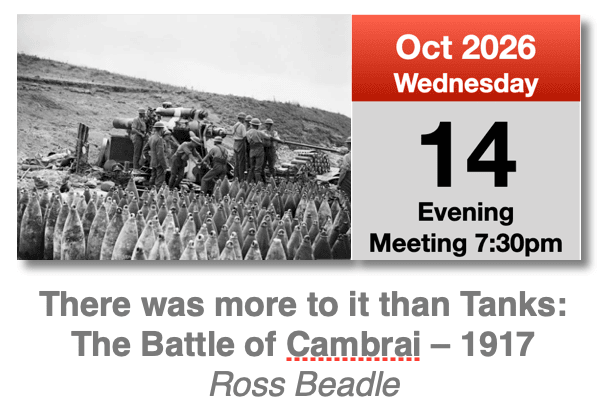
New Village Hall Talk Booked – There was more to it than Tanks Cambrai

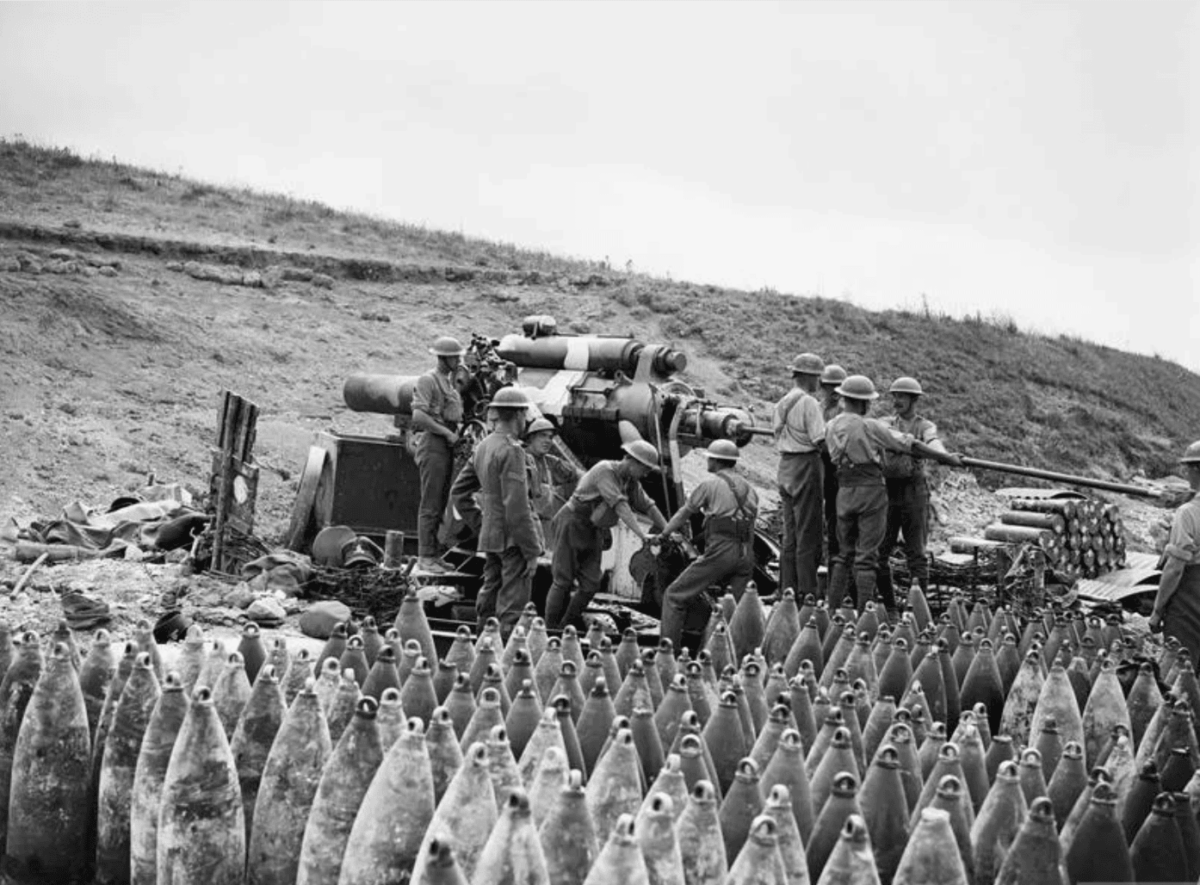
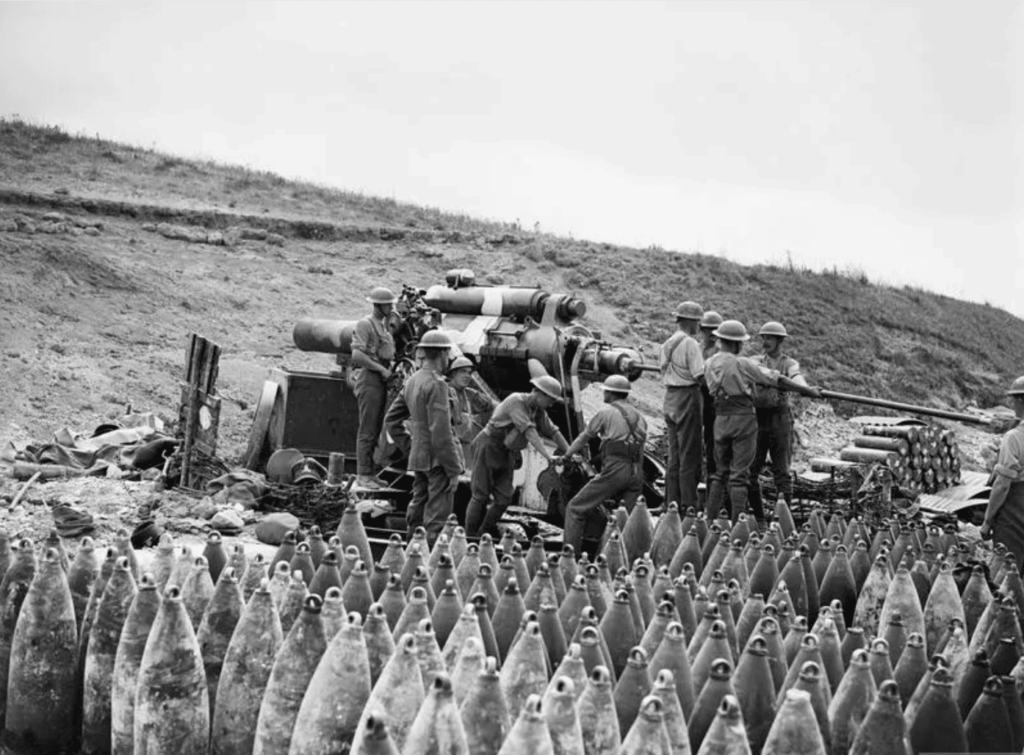
The “tank phase” of the Battle of Cambrai lasted until about 2pm on the first day – 8 hours in all. Tanks may have grabbed the headlines gaining nearly 5 miles on that first day, but it was technical innovations in artillery that enabled General Byng to reintroduce the strategic principle of surprise back in to the battlefield. Tanks alone could not do that. The battle lasted a further 18 days and was remarkably similar to the other attritional battles of 1917: A poorly managed slow slog in difficult conditions against a well-entrenched enemy. Then the German’s counter-attacked with their solution to the problem of how to reintroduce surprise. The lecture is centred on the management of innovation in the First World War and just why the key discovery was made by a man sitting behind the lines on a latrine…

BMMHS Village Hall Meeting for October 2026

There was more to it than Tanks: The Battle of Cambrai – Nov-Dec 1917

By Ross Beadle

The “tank phase” of the Battle of Cambrai lasted until about 2pm on the first day – 8 hours in all. Tanks may have grabbed the headlines gaining nearly 5 miles on that first day, but it was technical innovations in artillery that enabled General Byng to reintroduce the strategic principle of surprise back in to the battlefield. Tanks alone could not do that. The battle lasted a further 18 days and was remarkably similar to the other attritional battles of 1917: A poorly managed slow slog in difficult conditions against a well-entrenched enemy. Then the German’s counter-attacked with their solution to the problem of how to reintroduce surprise. The lecture is centred on the management of innovation in the First World War and just why the key discovery was made by a man sitting behind the lines on a latrine…
The Battle of Cambrai
There was more to it than Tanks: The Battle of Cambrai – Nov-Dec 1917

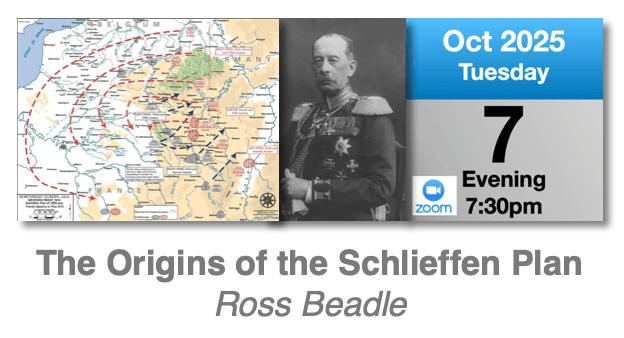
New Zoom Talk Booked – The Origins of the Schlieffen Plan

The Schlieffen Plan was a German military strategy for attacking France and Russia in World War I. The plan was developed by Field Marshal Alfred von Schlieffen and put into action in 1914 by his successor, Helmuth von Moltke.

BMMHS Zoom talk Booked for October 2025

The Origins of the Schlieffen Plan

German War Planning up to July 1914

By Ross Beadle

The Schlieffen Plan is a name given after the First World War to German war plans, due to the influence of Field Marshal Alfred von Schlieffen and his thinking on an invasion of France and Belgium, which began on 4 August 1914. Schlieffen was Chief of the General Staff of the German Army from 1891 to 1906. In 1905 and 1906, Schlieffen devised an army deployment plan for a decisive (war-winning) offensive against the French Third Republic. German forces were to invade France through the Netherlands and Belgium rather than across the common border.
Schlieffen Plan: German War Planning
The Origins of the Schlieffen Plan
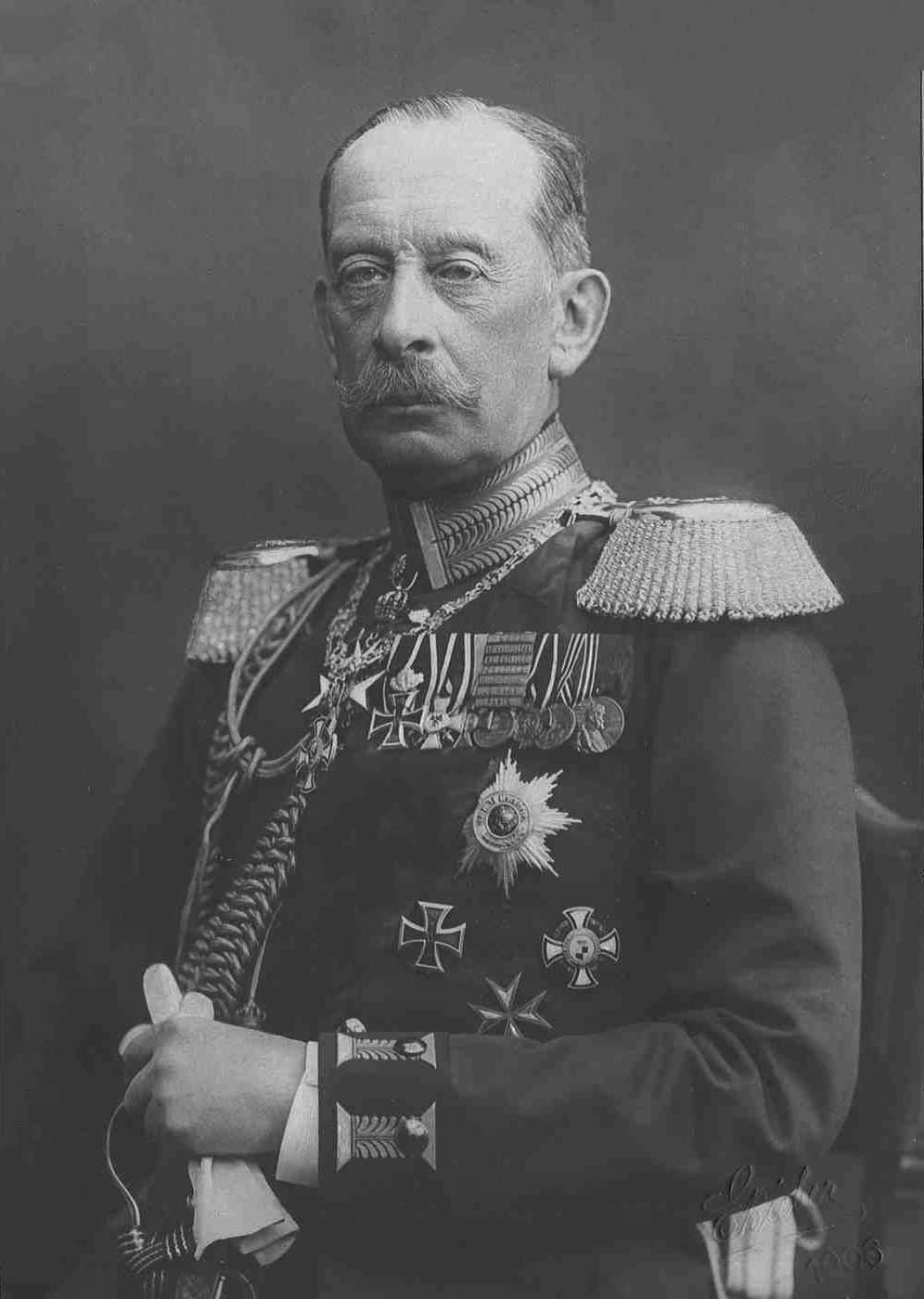
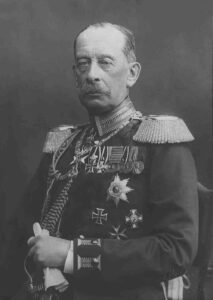
Alfred von Schlieffen. Source Wiki

New Zoom Talk Booked – Operation Nimrod – The SAS in Action

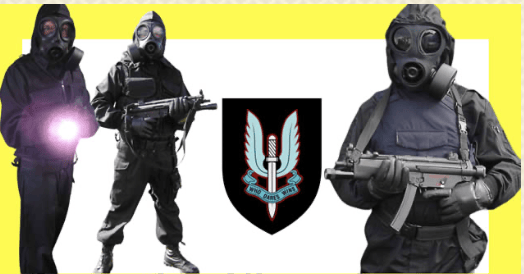
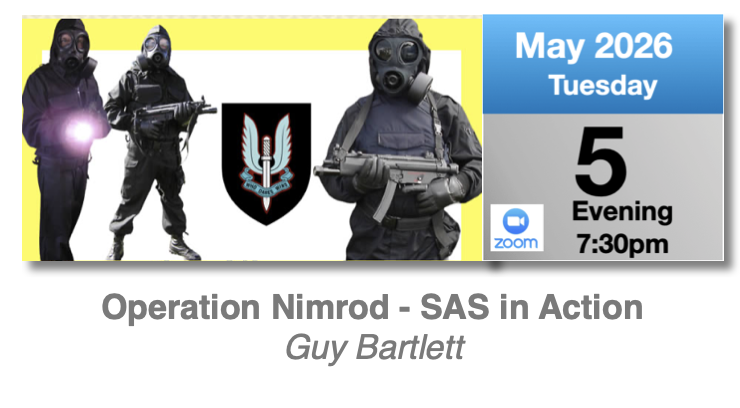
On May 5, 1980, the Special Air Service (SAS) made their public debut under the direct command of Prime Minister Margaret Thatcher. Their mission was to rescue hostages held captive within the Iranian Embassy at Princes Gate, London, by six armed terrorists.

BMMHS Zoom talk Booked for May 2026

Operation Nimrod - The SAS in Action

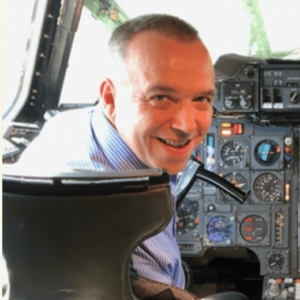
By Guy Bartlett

On May 5, 1980, the Special Air Service (SAS) made their public debut under the direct command of Prime Minister Margaret Thatcher. Their mission was to rescue hostages held captive within the Iranian Embassy at Princes Gate, London, by six armed terrorists.
 
The events of that day, broadcast live on national peak-time television, became a defining moment in history. The exploits of the SAS troopers, depicted in black assault suits, as they scaled balconies, planted explosives, and abseiled into the unknown, have left an indelible impression on the memories of those who witnessed them.
 
Join military historian Guy Bartlett as he delves into the intricate details leading up to the raid, exploring the meticulous gathering of intelligence, and examining the harrowing circumstances that nearly resulted in a catastrophic outcome.
 
This mission solidified the SAS’s reputation as one of, if not the, premier Special Forces, cementing its status as an elite force in the annals of military history.
Operation Nimrod SAS in Action
Guy Bartlett

New Zoom Talk Booked – River Kwai Railway – The True Story

After a brief summary of the disastrous Malayan Campaign and the fall of Fortress Singapore, the talk covers the urgent need for the railway by the Japanese, its construction, operation, and the partial post-war revival of train services.

Actual events are then contrasted with the fiction of the 1957 acclaimed film ‘Bridge on the River Kwai’, a production both award-winning but also controversial in several respects.

BMMHS Zoom talk Booked for April 2026

River Kwai Railway - The True Story

By Paul Whittle

After a brief summary of the disastrous Malayan Campaign and the fall of Fortress Singapore, the talk covers the urgent need for the railway by the Japanese, its construction, operation, and the partial post-war revival of train services.

Actual events are then contrasted with the fiction of the 1957 acclaimed film ‘Bridge on the River Kwai’, a production both award-winning but also controversial in several respects.

River Kwai Railway The True Story
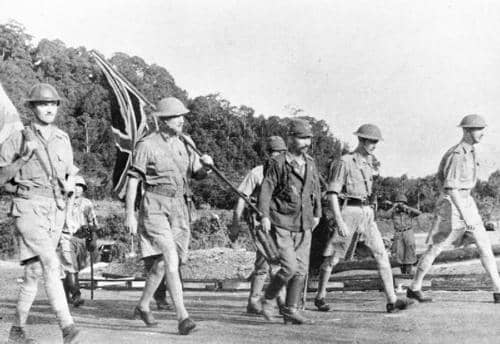
Lieutenant-General Percival and his party carry the Union flag on their way to surrender Singapore to the Japanese. Left to Right: Major Cyril Wild (carrying white flag) interpreter; Brigadier T. K. Newbigging (carrying the Union flag) Chief Administrative Officer, Malaya Command; Lieutenant-Colonel Kazushi Sugita; Brigadier K. S. Torrance, Brigadier General Staff Malaya Command; Lieutenant General Arthur Percival, General Officer Commanding, Malaya Command. Source IWM

New Zoom Talk Booked – Berlin – Divided City

Richard’s talk will provide a detailed look at the Berlin Airlift, the disastrous superpower summits, the Berlin crises and the role of Berlin in the Cold War itself.

BMMHS Zoom talk Booked for October 2026

Berlin - Divided City

By Richard Gibbons

Richard’s talk will provide a detailed look at the Berlin Airlift, the disastrous superpower summits, the Berlin crises and the role of Berlin in the Cold War itself.
Berlin Divided City
Berlin Divided City
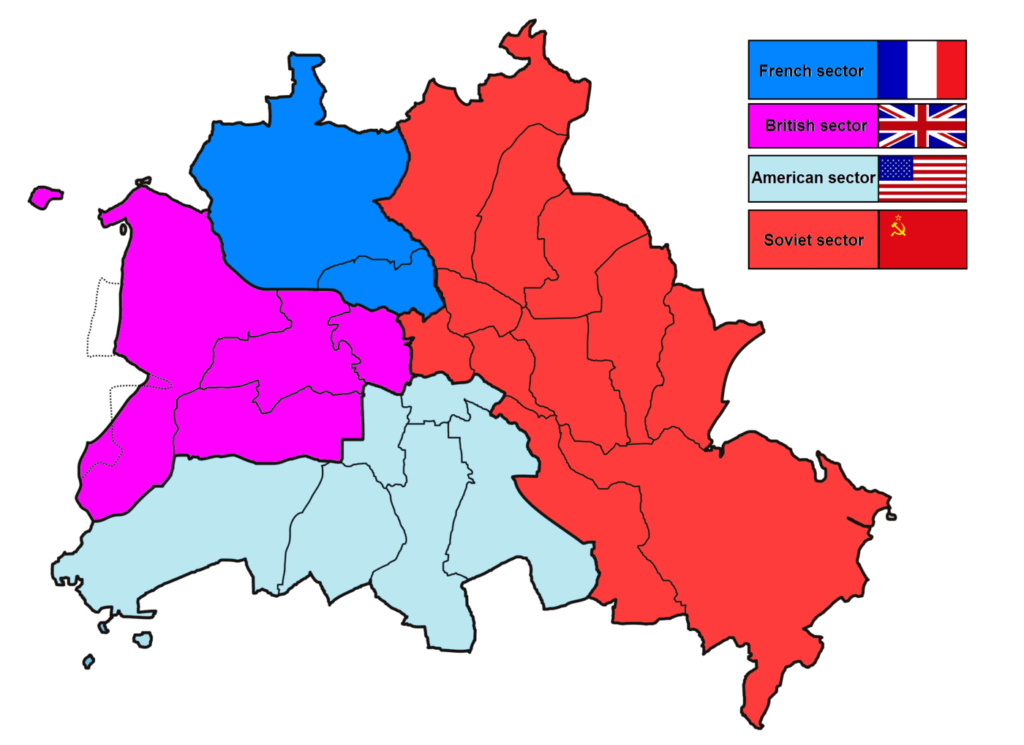
The four occupation sectors of Berlin. West Berlin is in light blue, dark blue, and purple, with several exclaves shown. Borough borders are as of 1987. Source Paasikivi. Wiki
Berlin Divided City
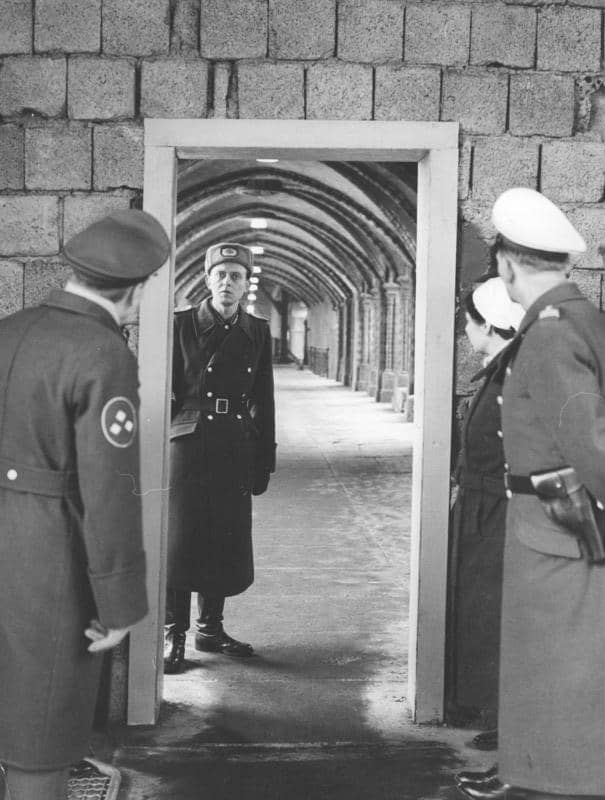
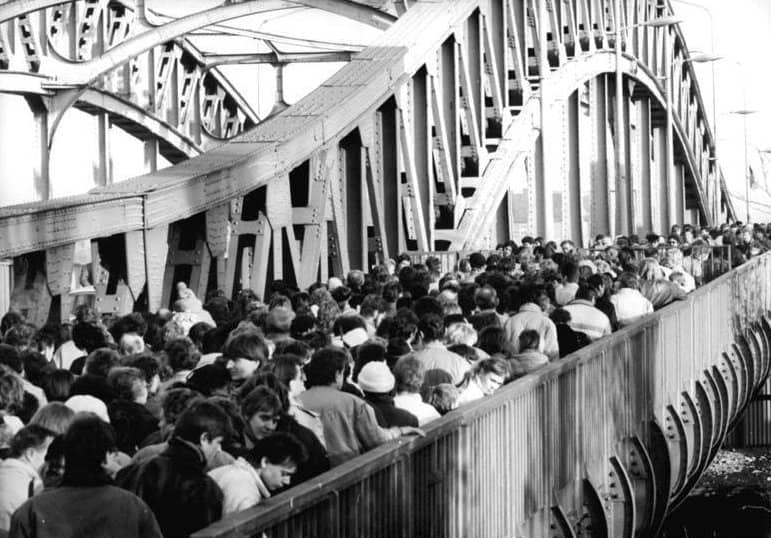
West German police awaiting an eastern border controller at the opening of a new pedestrian border crossing. View into the vaults of Oberbaumbrücke, 21 December 1963. Source Bundesarchiv B 145 Bild-P086547, Wiki
Berlin Divided City
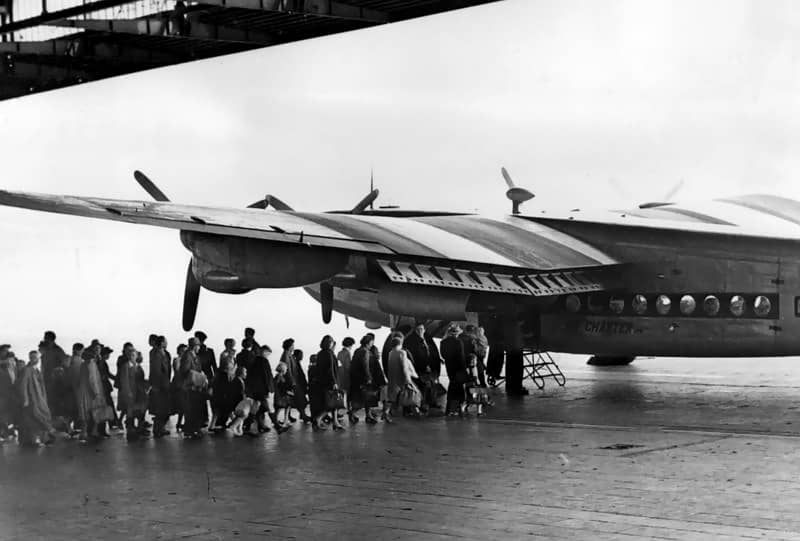
Eastern refugees boarding an Avro York at Tempelhof Airport to fly into West Germany, 1953. Bundesarchiv B 145 Bild-P004762 Wiki
Berlin Divided City
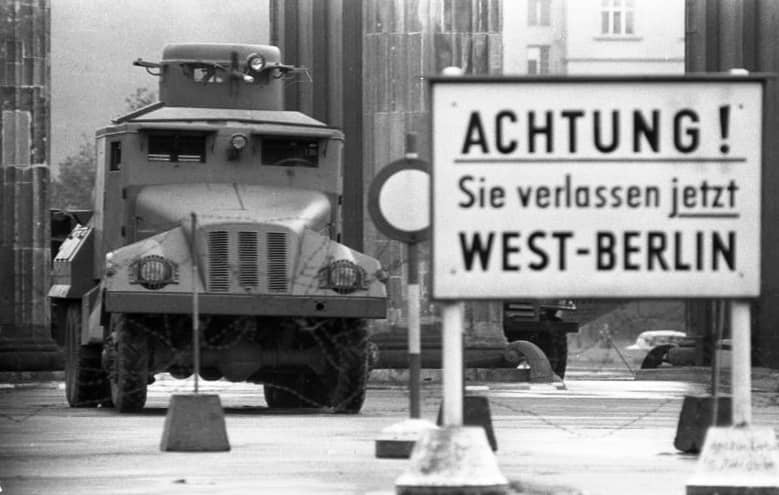
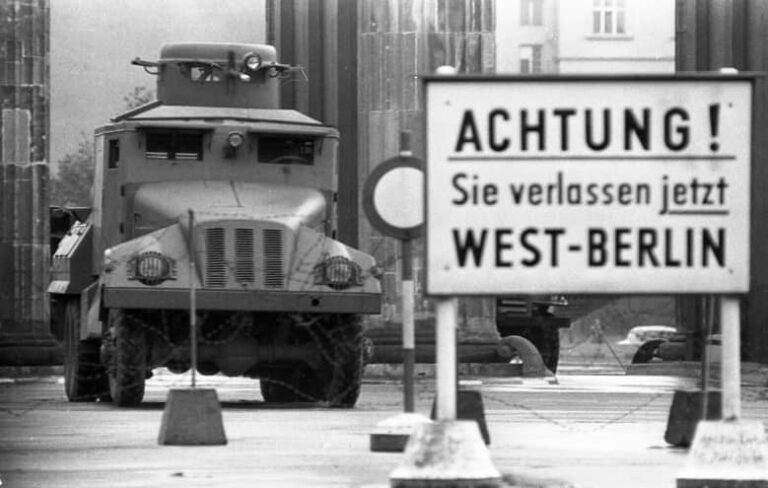
East German water cannon vehicle directed at western protesters in front of the Brandenburg Gate, August 1961. Source: Bundesarchiv Bild 173-1282 Wiki
Berlin Divided City
East Berliners, just having passed the now-open eastern checkpoint Bornholmer Straße, passing Bösebrücke into the French sector of Berlin on 18 November 1989. Bundesarchiv Bild 183-1989-1118-018 Wiki

New Village Hall Talk Booked – The origins of the First World War 

The First World War was one of the most shattering conflicts of the Twentieth Century.
This talk outlines the international developments that resulted in the First World War. It will cover the unification of both Italy and Germany, the domestic situations in the great powers and key European players, the impact of empire-building and the situation in the Balkans. The intricacies of international relations in the period are outlined to provide an understanding of why Europe was plunged into such a devastating war.

BMMHS Village Hall Meeting for May 2026

The war that no one wanted: the origins of the First World War

By Dr Stephen Goss

The First World War was one of the most shattering conflicts of the Twentieth Century.
 
This talk outlines the international developments that resulted in the First World War. It will cover the unification of both Italy and Germany, the domestic situations in the great powers and key European players, the impact of empire-building and the situation in the Balkans. The intricacies of international relations in the period are outlined to provide an understanding of why Europe was plunged into such a devastating war. Weaving these considerations together, it will put the First World War in context and explain why a dispute in south-eastern Europe was so quickly transformed into a fight to the death for the Continent’s great empires and powers.
Origins of the Great War
Franz Ferdinand and his wife Sophie leave the Sarajevo Guildhall after reading a speech on June 28 1914. They were assassinated five minutes later.. Source Walter Tausch - Europeana 1914-1918 / Wiki

BMMHS Talk Report: The Making of the Light Division by Tim Saunders

BMMHS Talk Report: The Making of the Light Division by Tim Saunders

BMMHS Village Hall Talk Report

The Making of The Light Division

By Tim Saunders

The Peninsula War is probably a bit outside the BMMHS’ usual “comfort zone” of the 20th century and for many, myself definitely included, our knowledge doesn’t extend much beyond Bernard Cornwell’s Sharpe. But that all changed this evening when Tim expertly examined what he reluctantly described as the “elite” of Wellington’s army. Tracing the roots of light infantry through to the beginning of the 19th century where the British raised the Rifle Corps, noting how the troops benefited from such unfashionable ideas such as fitness training, shooting practice and tactical lectures!
 
He then traced the now Light Division through its actions in Portugal and then, under the command of the impressive Robert Craufurd, the campaign in Spain. Balancing the big picture of major battles such as Vimiero and Salamanca with nuggets like Rifleman Plunket’s shot and the details of light troops uniforms and kit Tim held our attention for over an hour without ever appearing to look at any notes and then dealt with a range of questions with the same authority. I hope we see Tim at Woodcote again.
 
Andy Heiron
Making of the Light Division
Tim Saunders talks to BMMHS on The Making of the Light Division
Making of the Light Division