
Unveiling the Secrets of KG 200: The Luftwaffe’s Elite Special Operations Unit
In the annals of World War II history, few units are as shrouded in mystery and intrigue as Kampfgeschwader 200 (KG 200). Often described as the Luftwaffe’s secret special operations unit, KG 200 was responsible for some of the most clandestine and unconventional missions of the war. In a new article for the British Modern Military History Society, James Goulty delves deep into the history of this elite formation, separating historical fact from post-war mythology.
Clandestine Operations and Intelligence Missions
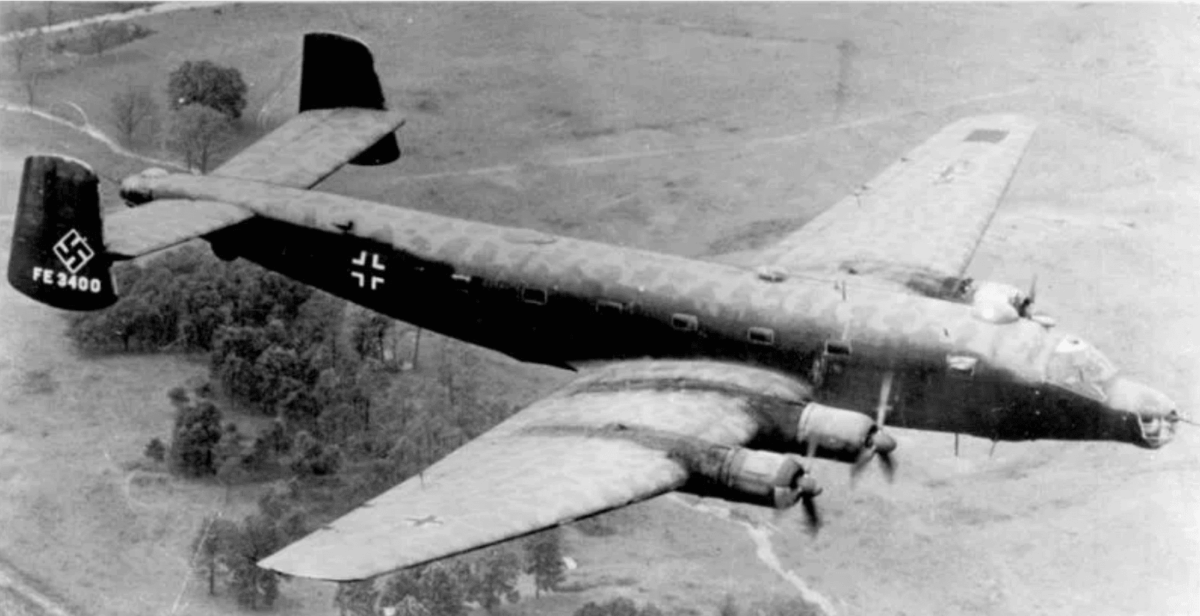
KG 200 was not your typical bomber or fighter wing. Its primary role involved highly specialized tasks that required a unique set of skills and equipment. One of their most critical responsibilities was the clandestine insertion of agents behind enemy lines. These missions were fraught with danger, often conducted under the cover of darkness using captured Allied aircraft to avoid detection.
Beyond agent insertion, KG 200 was heavily involved in intelligence gathering. Their pilots flew long-range reconnaissance missions, providing the German high command with vital information on Allied troop movements and strategic targets. The unit’s ability to operate unconventional aircraft, including captured B-17 Flying Fortresses and B-24 Liberators, added a layer of deception to their operations.
Experimental Weapons: The Mistel aircraft
Perhaps the most famous—or infamous—aspect of KG 200 was its involvement with experimental weapons. The unit was at the forefront of testing and deploying the Mistel aircraft, a composite aircraft consisting of a small, piloted fighter mounted on top of a larger, unmanned bomber packed with explosives. The pilot would guide the entire assembly toward a target, release the bomber, and then fly the fighter back to base. While the Mistel saw limited success, it represented the cutting edge of aeronautical engineering and unconventional warfare at the time.
Separating Fact from Fiction
Over the decades, KG 200 has become the subject of numerous myths and legends. James Goulty’s article aims to provide a balanced historical perspective, highlighting the unit’s genuine achievements while debunking some of the more sensationalist claims. By examining the diverse operations, specialist personnel, and unconventional aircraft that defined KG 200, Goulty reveals a formation that was truly remarkable in its scope and complexity.
For those interested in the hidden history of the Luftwaffe and the specialized units that operated in the shadows of World War II, this article is a must-read. It offers a fascinating glimpse into a world of secret missions, experimental technology, and the elite pilots who flew them.
Stay tuned for more historical insights and articles from the British Modern Military History Society.