New Article – Sleeping With The Enemy

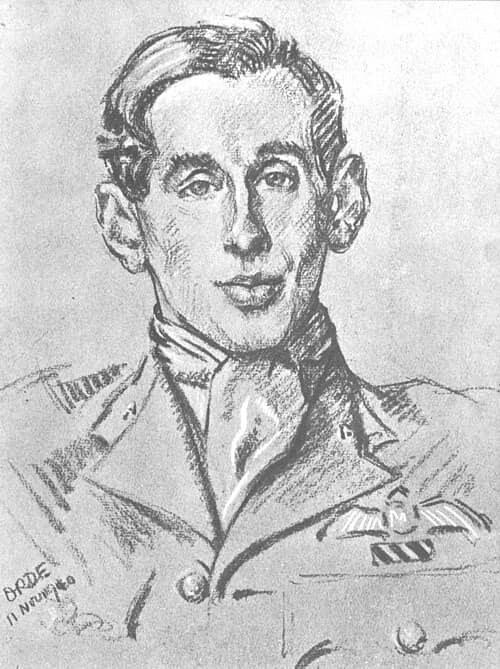
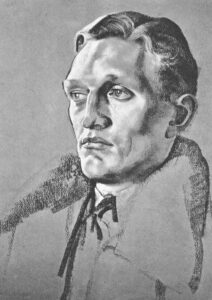
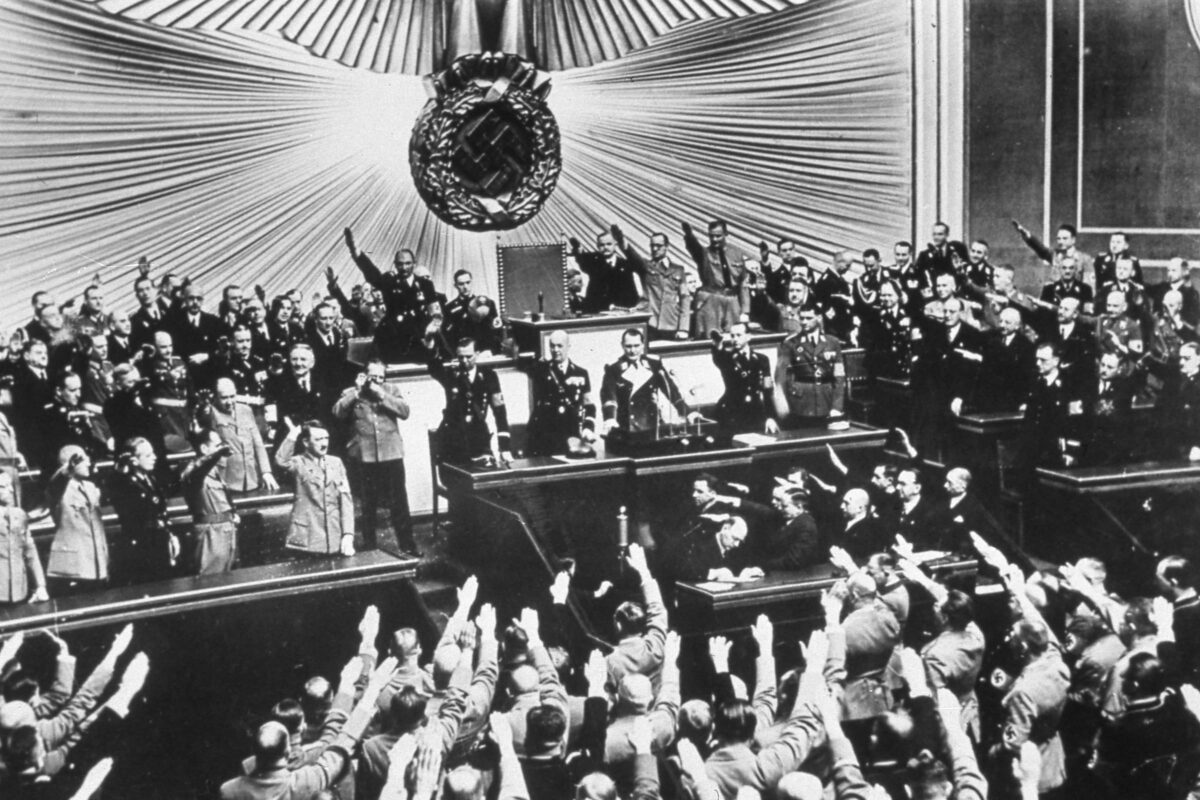
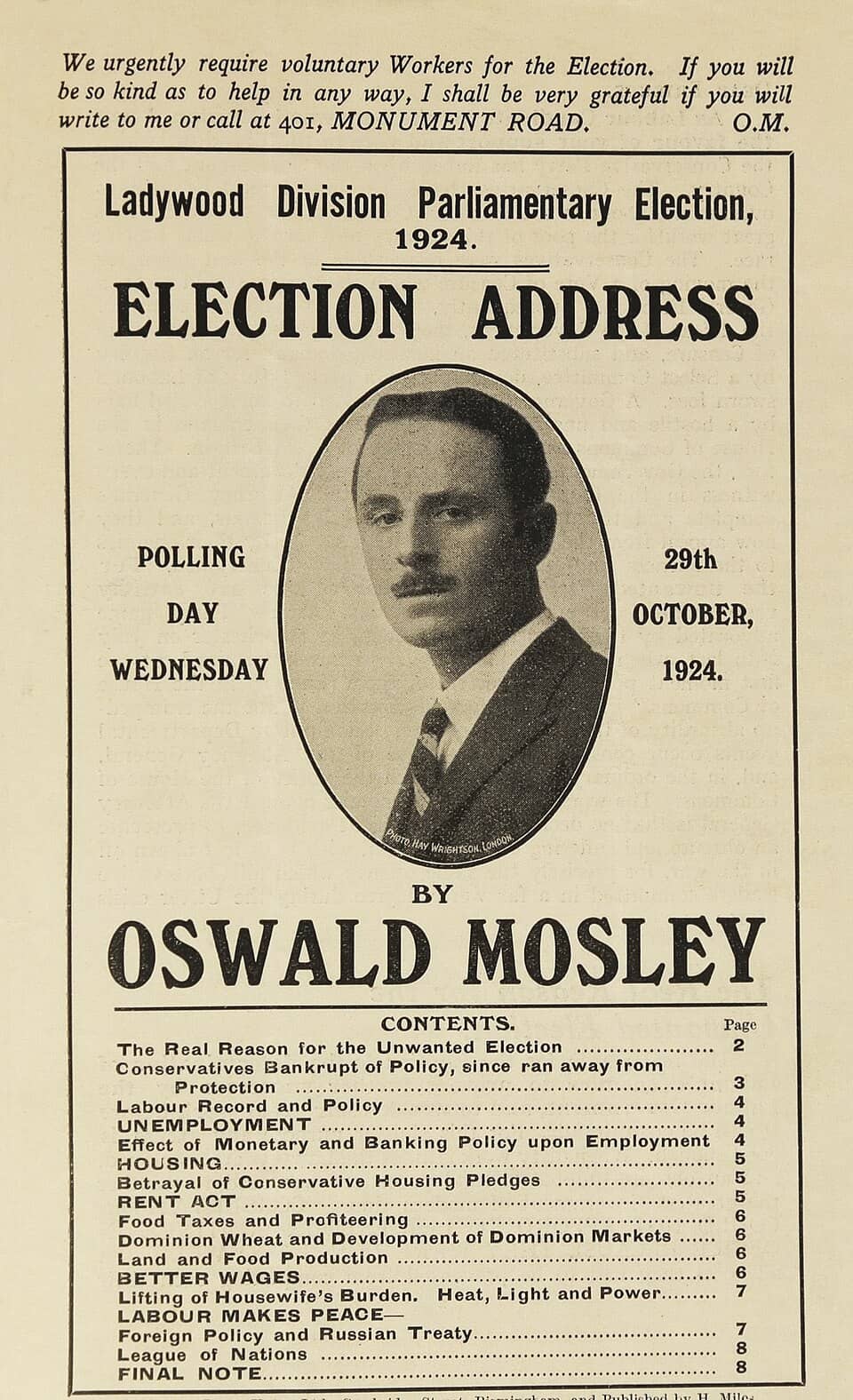
During WWII, several British individuals committed treason by collaborating with Nazi Germany. Notable figures include Oswald Mosley, who led the pro-Nazi British Union of Fascists, and John Amery, who recruited for the British Free Corps. Thomas Haller Cooper, influenced by his German heritage, also joined the Corps. Eddie Chapman, a double agent known as Agent Zigzag, feigned collaboration with Germany while secretly aiding Britain. Harold Cole, motivated by self-interest, betrayed many to the Nazis, resulting in multiple arrests and eventual death in a shoot-out. William Joyce, “Lord Haw Haw,” broadcast Nazi propaganda, was captured, and executed for treason..

Latest Article

Sleeping With The Enemy

British Wartime Collaborators and Traitors


by Nick Brazil

Click above to read this article 

New Article – On The Wings Of Angels

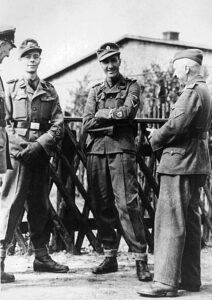
The concept of airlifts began in the early 20th century, with the first operation executed by French forces during World War I to evacuate injured troops. Notable airlifts include the 1928 Kabul Airlift during the Afghan Civil War, the Spanish Army’s airlift in 1936, and the India-China Air Ferry from 1942 to 1945. A pivotal moment was the Berlin Airlift (1948-1949), where Allied forces supplied West Berlin amidst a Soviet blockade, demonstrating aviation’s burgeoning logistical capabilities. Since then, airlifts have continued, providing crucial support during conflicts in areas like the Congo, Biafra, and Afghanistan, underscoring their significance in humanitarian and military operations.

Latest Article

On the Wings of Angels

The Story of Airlifts

by Nick Brazil

Click above to read this article 

The fight for Greenland begins…again

Greenland became a strategic prize during the Second World War, when the United States occupied the island to block Nazi advances, shield Atlantic convoys and gather the meteorological intelligence that helped time D-Day. It later formed the backbone of NATO’s Arctic early-warning system during the Cold War. Trump’s latest claim that America “has to have” Greenland has revived that history, alarmed Denmark and unsettled the alliance. Yet Greenland’s future remains a matter for Greenlanders, not Washington, writes historian Dr Linda Parker

The fight for Greenland begins…again

an article by Dr. Linda Parker

Click on title or the highlighted link to read Linda’s article in The European.

New Article – Behind Enemy Lines the Story of Special Forces

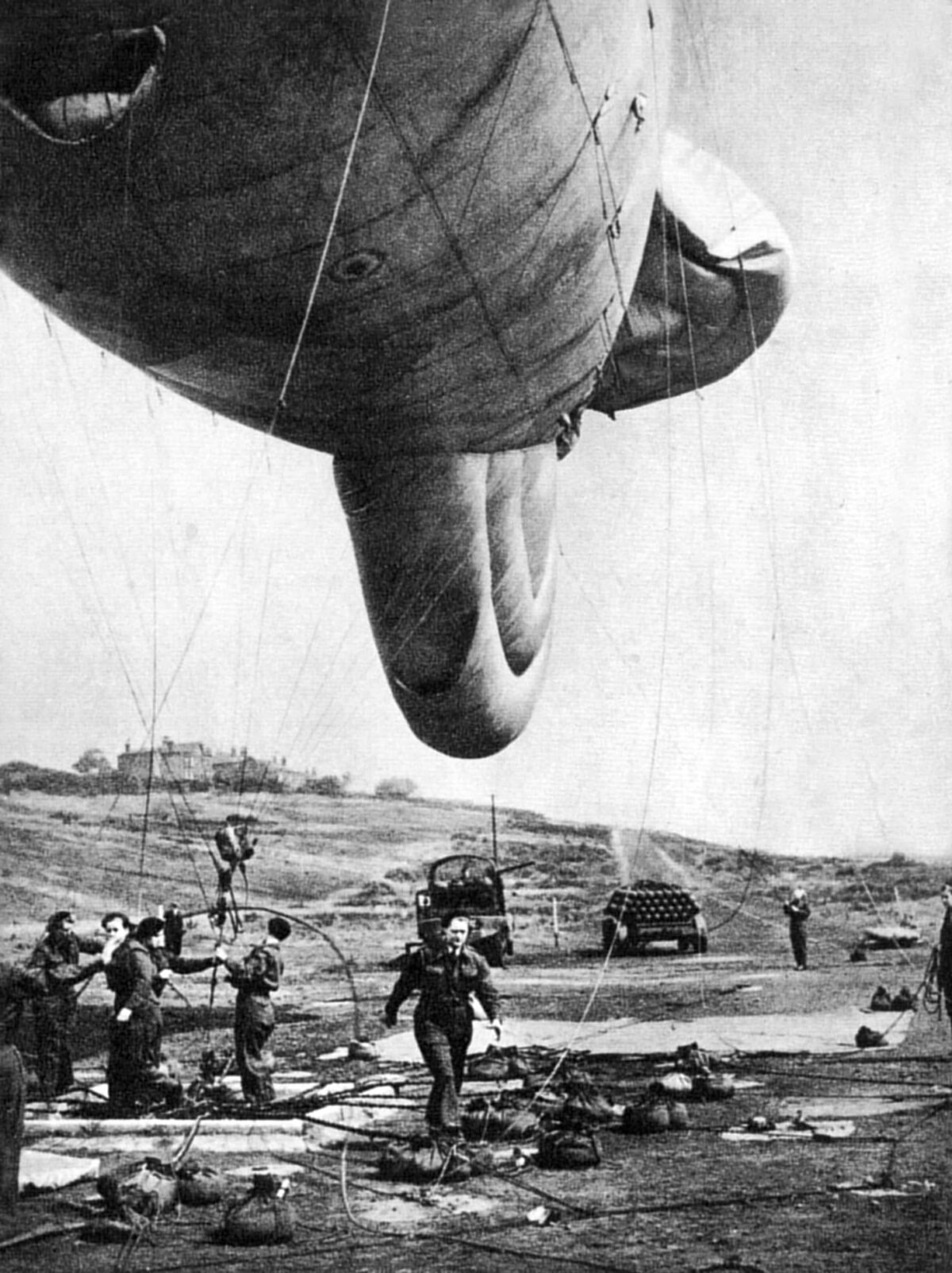
“Behind Enemy Lines” by Nick Brazil highlights the evolution and role of Special Forces in military history. It focuses on units like the Long Range Desert Group and the Special Air Service during World War II, detailing their covert operations, innovations, and impact on the war. Nick’s article also covers their controversial missions and their legacy in modern military strategy.

Latest Article

Behind Enemy Lines

The History of Special Forces

by Nick Brazil

Click above to read this article on the History of Special Forces

Standing with Giants – Fort Nelson, November 2025

Visiting Fort Nelson in November 2025, visitors were greeted by the eerie sight of silhouette figures representing those who lost their lives on D-Day. The Giants stood tall, paying homage to their fallen comrades. The visit was a sombre reminder of the sacrifices made for freedom, leaving a lasting emotional impact.

Standing with Giants - Fort Nelson, November 2025

A bitter chill wind swept in across the Solent and greeted us as we pulled up into the Fort Nelson car park. Above us the giant fortress, built in 1860 to protect against a possible French invasion, gave a certain irony to our visit.  An irony in that the 1475 silhouette soldiers, sailors, airmen and others who 80 years ago had given their lives on 6th June 1944 to ‘invade’ but better described to liberate Nazi occupied Europe from years of repressive tyranny. 

The first sight was the ghostly figures peering down from the ramparts, moving slightly in the stiff breeze as the steady flow of mostly retired visitors made their way towards the Visitor Centre. Crossing over the substantial bridge to the entrance with the moat either side, a special tribute to those French civilians who had fought the Germans and assisted the Allies on D-Day.  Silhouettes of men and women, children who had blown up railway tracks and signals, brought down telephone poles, blocked roads, covertly ferried secret messages, disabled German vehicles and done so much to delay and disrupt German reinforcements reaching the Normandy beachheads. They displayed great courage as the risks and dangers were immense with retribution a real danger as the destruction and massacre of over 640 townsfolk of the town of Oradour sur Glane by the SS Panzer Division Das Reich just 4 days after the landings bears testament.  It was a fitting yet simple tribute to those French civilians who lost their lives in the cause for freedom.

Moving through to the main area of Fort Nelson, one suddenly found oneself in a rather surreal world, mingling in between the silhouette Giants. Almost feeling as if one was imposing on their sacred space, a RM commando on one side, a naval seaman to the other, and RAF pilot ahead. Hundreds of these ‘Giants’ across the entire Fort Nelson parade ground, all with heads slightly bowed as if a tribute to each other. Eight feet tall, each one representing someone who lost their life on D-Day itself. And looking down upon us from on the high ramparts and battlements were hundreds more, silently paying homage to those comrades who never came home. High up on the central rampart was the flagpole with an airman, a sailor and a soldier alongside with the Union Flag cracking lustily in the breeze. A symbol of respect and defiance on that fateful day.

We walked up the grass walkways onto to ramparts, silently absorbing the rather eery scene.  Couples or small groups hardly saying a word or just whispering, some taking a few photos, others deep in their own thoughts in total respect for those fallen servicemen and women. The sun started to break through about lunchtime bringing out the shadows for each Giant, and adding to the poignancy of the occasion, as these men and the few women are but a shadow of those who started out on the ‘Longest Day’ 80 years ago.The Giants glinted in the sunshine as they swayed changing colour between a rich black to a whitish ghostly grey, all adding to the surrealism of the occasion.

Having been fortunate to attend the main RBL D-Day celebration at Vers sur Mer overlooking Gold Beach on the actual 80th anniversary last year, the contrast between that and last week was substantial. That event with all the dignitaries, set overlooking the actual battleground and seashore set in lovely sunshine was a mixture of celebration of the actual 80th anniversary and a national tribute to those who fought. To honour the ones who didn’t return with all the publicity and media commensurate with a national event as the few remaining D-Day veterans were honoured.  In contrast, at Fort Nelson on that bleak and blustery day last week, members of the general public visited the Giants without any ceremony encapsulated in their own thoughts to pay their own personal respects to those who fell on that important day. But at both events, the focus was on the men and women who didn’t return home, to those who fought and survived and for the country they liberated and for the freedoms we now treasure today. Each individual who was killed that day was a special person to someone back home. A father, a mother, brother or sister, a wife, husband or fiancé or a good friend. Someone who was greatly loved and sorely missed. They made that ultimate sacrifice. As the moving Kohima Epitaph says

When you go home, tell them of us and say

For your tomorrow, we gave our today

Eighty years on, the Giants at Fort Nelson (and wherever they appear next) pay huge tribute to those who did not come home and their comrades who did, often with the guilt of having survived.   

We headed home to Devon with the temperature dropping, the Giants glinting in the lowering sun, still standing upright and proud. A most thought provoking and emotional day.

Andy Cockeram

Chairman, British Modern Military History Society

Andy is also a Poppy Appeal Organiser for Colyton, Devon

Copyright © 2025 bmmhs.org – All Rights Reserved

Images © BMMHS

New Article – Finland’s Winter Wars

Finland’s decision to join NATO in 2023 marked a significant shift in its long-held policy of neutrality. This decision was influenced by Russia’s invasion of Ukraine in 2022 and bitter memories of Stalin’s invasion of Finland in 1939. The Winter Wars of 1939-1940 and the Continuation War with Russia from 1941-1944 had lasting impacts on Finland’s history and geopolitics, ultimately leading to Finland’s alliance with Nazi Germany and significant territorial concessions to the Soviets. These conflicts shaped Finland’s post-World War II history and influenced its role in the Western world.

Latest Article

Finland’s Winter Wars

The Conflict with Russia in The Second World War

by Nick Brazil

Winter War
THE WAR IN FINLAND, 1940 (HU 52931) Two Finnish machine gunners wearing their concealing white capes and hoods, manning their gun in a trench on the southern Karelian front. Copyright: © IWM. Original Source: http://www.iwm.org.uk/collections/item/object/205083369

Click above to read Nick’s article

New Article – Twixt War and Peace

The outbreak of World War Two placed many countries in a difficult position, with the dilemma of how to deal with the threat of hostilities. Neutral countries like Switzerland, Spain, Portugal, Ireland, Sweden, and others faced challenges in maintaining their neutrality. Some, like Mexico and Brazil, eventually joined the Allies after being attacked by Axis powers. Overall, the decisions made by neutral countries during the war were complex and often influenced by various factors such as trade, alliances, and internal politics.

Latest Article

Twixt War and Peace

The Dilemma of Neutral Countries in World War Two

by Nick Brazil

Neutrality
Hitler and Franco during Meeting at Hendaye (23 October 1940). Photo by Heinrich Hoffmann. Source Wiki

Click above to read Nick’s article

New Article – Losing the Rock – Hitler’s Plan to Capture Gibraltar

Operation Felix was a German plan to capture Gibraltar during World War II but failed due to Franco’s refusal to allow the Germans to invade Spain. Hitler’s meeting with Franco at Hendaye ended in failure, leading to the collapse of the operation. With Hitler shifting his focus to Operation Barbarossa, Operation Felix was abandoned, marking the end of Germany’s potential victory over Britain. The failure of Operation Felix highlighted the importance of Franco’s strategic decisions and the challenges of capturing Gibraltar. Ultimately, the missed opportunity to seize Gibraltar had a significant impact on the course of the war.

Latest Article

Losing the Rock

Losing the Rock Hitler’s Plan to Capture Gibraltar

by Nick Brazil

Click above to read Nick’s article

New Article – Faith Under Fire

They may not carry weapons, but they’ve been on every frontline from Helmand to Ukraine. As religion fades and war changes, military chaplains are still holding the line, offering troops someone to talk to when no one else can, argues historian and author, Dr Linda Parker. An article published in National World

Latest Article

Faith Under Fire

by Linda Parker

Linda's research found that Studdert Kennedy returned home penniless after spending his entire wartime wages on such cigarettes, known as 'one last gasper', for troops who were injured or near death. Woodbines, which were strong and unfiltered, were not widely available on the Western Front and were considered as gold dust in the trenches. Source Linda Parker Collection

Click above to read Linda’s article in National World